
Water Damage from Heavy Rain: How to Protect Your Home
· Ethan Williams

Periods of intense rainfall can put any property at risk. Water damage from heavy rain is a common and costly problem for homeowners, leading to structural issues, mold growth, and ruined belongings. Understanding how rainwater enters your home and what steps you can take to prevent it is essential for keeping your property safe and dry.
Whether you live in a flood-prone area or simply want to be proactive, learning about the causes, signs, and prevention strategies for rain-related water intrusion can save you time, money, and stress. If you’re interested in other sources of water damage, such as water damage from sump pump failure, you’ll find related guides on our site.
Understanding How Heavy Rain Causes Water Damage
When rain falls faster than the ground or drainage systems can handle, it can seep into basements, crawl spaces, and even main living areas. Water damage from heavy rain often occurs due to a combination of factors, including:
- Poor grading or landscaping that directs water toward the foundation
- Clogged gutters and downspouts
- Cracks in the foundation or basement walls
- Leaky roofs or damaged shingles
- Blocked or overwhelmed storm drains
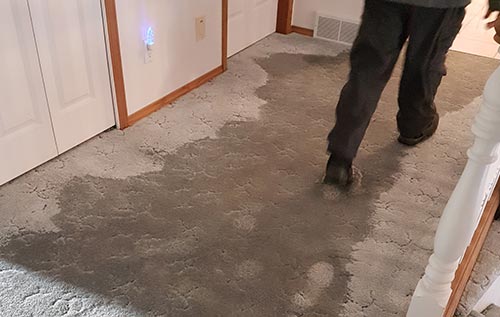
Once water finds a way inside, it can quickly saturate building materials, damage flooring, and create an environment where mold and mildew thrive. The longer moisture lingers, the more extensive and expensive the repairs become.
Common Signs of Rain-Related Water Intrusion
Detecting the early warning signs of water infiltration can help you address issues before they escalate. Some of the most frequent indicators of rain-induced moisture problems include:
- Musty odors in basements or crawl spaces
- Staining or discoloration on walls, ceilings, or floors
- Peeling paint or wallpaper
- Warped wood or buckling floorboards
- Visible mold growth on surfaces
- Puddles or damp spots after storms
Some signs may be subtle at first. For a detailed list of symptoms to watch for, you can refer to this comprehensive guide to identifying water damage in your property.
Prevention Strategies for Water Damage from Heavy Rain
Taking proactive steps is the best way to minimize the risk of moisture problems caused by storms. Here are some effective measures you can implement:
Maintain Gutters and Downspouts
Clean gutters and downspouts regularly to ensure rainwater flows away from your home. Remove leaves, twigs, and debris, and check for leaks or sagging sections. Extend downspouts at least six feet from the foundation to prevent pooling near your walls.
Inspect and Repair Your Roof
Damaged or missing shingles can allow rain to seep into your attic and walls. Inspect your roof at least twice a year and after major storms. Replace any compromised materials and seal flashing around chimneys, vents, and skylights.
Improve Drainage Around Your Home
Ensure the soil around your foundation slopes away from the house. If necessary, add soil to low spots or install French drains to divert water. Avoid planting shrubs or trees too close to the foundation, as roots can disrupt grading and create pathways for water.

Seal Cracks and Openings
Inspect your foundation, basement walls, and windows for cracks or gaps. Use waterproof sealant or epoxy to fill any openings. Consider installing window well covers to keep rain out of below-grade windows.
Install a Sump Pump
If your basement is prone to flooding, a sump pump can help remove excess water quickly. Test your pump regularly and consider a battery backup in case of power outages during storms. For more information on related issues, see our article on water damage from sump pump failure.
What to Do If You Experience Water Damage After a Storm
Even with the best precautions, severe weather can sometimes overwhelm your defenses. If you discover water intrusion after heavy rainfall, act quickly to minimize harm:
- Remove standing water using pumps, wet/dry vacuums, or towels.
- Move furniture, rugs, and valuables to a dry area.
- Use fans and dehumidifiers to dry out affected spaces.
- Document the damage with photos for insurance claims.
- Contact a professional restoration company if the damage is extensive or if you suspect mold growth.
Prompt action can prevent further deterioration and reduce the risk of mold, which can develop within 24 to 48 hours in damp conditions.
Long-Term Solutions for Reducing Water Damage Risk
In addition to routine maintenance, consider these upgrades for lasting protection against future storms:
- Install a waterproof membrane on basement walls and floors.
- Add backflow valves to prevent sewer backups during heavy rain.
- Upgrade landscaping with rain gardens or permeable pavers to absorb runoff.
- Replace old windows and doors with watertight models.
- Schedule annual inspections with a qualified contractor to identify vulnerabilities.
Related Water Damage Scenarios
While storms are a major cause of household moisture problems, other sources can also lead to similar issues. Appliances, plumbing, and HVAC systems are frequent culprits. For example, leaks from dishwashers or air conditioners can cause hidden damage over time. Explore our guides on water damage from dishwashers and water damage from air conditioners for more prevention tips.
Frequently Asked Questions
How can I tell if water damage is from rain or another source?
Rain-related water intrusion often appears after storms and is usually found near exterior walls, basements, or crawl spaces. Look for patterns that coincide with weather events. If you’re unsure, a professional inspection can help determine the source.
Will homeowners insurance cover damage caused by heavy rain?
Standard policies typically cover sudden and accidental water intrusion, but not all types of flooding. Coverage varies, so review your policy and consider additional flood insurance if you live in a high-risk area.
How quickly should I address water damage after a storm?
Immediate action is crucial. Dry out affected areas within 24 to 48 hours to prevent mold growth and further structural issues. The sooner you respond, the less severe the long-term consequences will be.