
Water Damage from Frozen Pipes: Prevention & Thawing Tips
· Ethan Williams
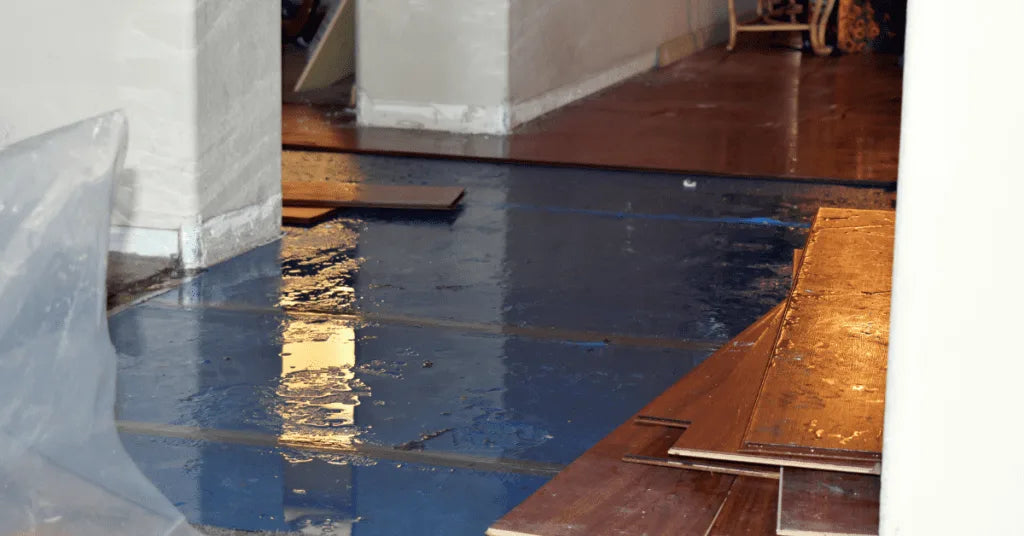
When temperatures drop, the risk of water damage from frozen pipes increases dramatically. Burst pipes can release hundreds of gallons of water in a short time, leading to costly repairs, structural issues, and potential health hazards from mold growth. Understanding how to prevent pipes from freezing—and what to do if they do freeze—can save homeowners significant time, money, and stress during winter months.
This guide covers practical steps to minimize the risk of pipe bursts, how to safely thaw frozen plumbing, and what actions to take if water damage occurs. For those interested in learning about other sources of home water damage, such as water damage from heavy rain, additional resources are available.
Why Frozen Pipes Lead to Water Damage
When water inside pipes freezes, it expands. This expansion puts pressure on the pipe walls, which can eventually cause them to crack or burst. Once the ice thaws, water flows freely through the damaged section, often flooding basements, crawl spaces, or interior walls. The resulting water damage from frozen pipes can affect flooring, drywall, insulation, and even electrical systems.
Homes in colder climates or those with poorly insulated plumbing are especially vulnerable. However, even properties in milder regions can experience pipe freezes during unexpected cold snaps.
Common Signs of Frozen or Burst Pipes
Early detection is key to limiting damage. Look for these warning signs:
- Little or no water coming from faucets during freezing weather
- Unusual sounds (such as banging or clanking) when turning on taps
- Visible frost on exposed pipes
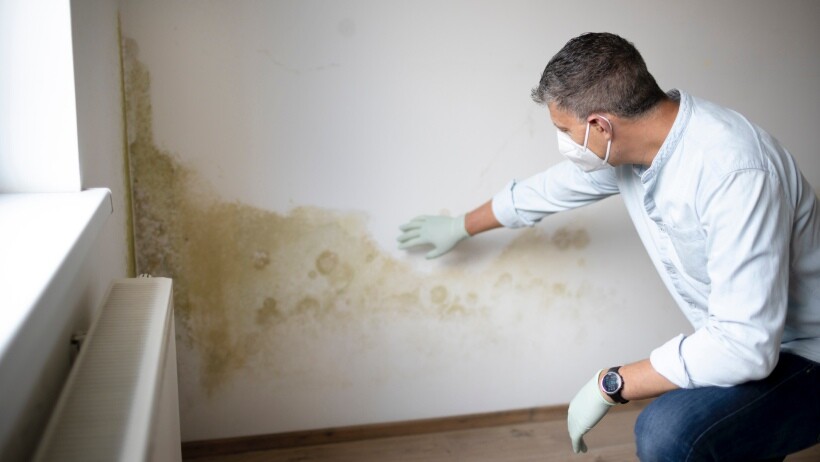
- Wet spots, stains, or bulging on walls or ceilings
- Sudden drop in water pressure
If you notice any of these symptoms, act quickly to prevent or minimize water damage from frozen pipes.
Preventing Water Damage from Frozen Pipes
Prevention is the best defense against costly repairs. Here are proven strategies to protect your plumbing:
Insulate Exposed Plumbing
Wrap pipes in unheated areas—such as basements, attics, garages, and crawl spaces—with foam insulation sleeves or heat tape. Pay special attention to pipes running along exterior walls or near windows.
Seal Gaps and Cracks
Use caulk or spray foam to seal openings around pipes, vents, and electrical wiring where cold air may enter. Even small drafts can lower temperatures enough to freeze pipes.
Maintain Consistent Indoor Temperatures
Keep your thermostat set to at least 55°F (13°C) during cold spells, even if you’re away from home. Open cabinet doors under sinks to allow warm air to circulate around plumbing.
Let Faucets Drip During Extreme Cold
Allowing a slow trickle of water to flow through vulnerable pipes can prevent freezing. Moving water is less likely to freeze than stagnant water.
Disconnect Outdoor Hoses and Shut Off Exterior Faucets
Drain and store garden hoses before winter. Shut off and drain outdoor faucets using the interior shutoff valve to prevent ice buildup in exterior plumbing.
How to Safely Thaw Frozen Pipes
If you suspect a pipe is frozen but hasn’t burst, prompt action can prevent further issues. Here’s how to thaw pipes safely:
- Turn on the faucet connected to the frozen pipe. This relieves pressure and allows water to escape as the ice melts.
- Apply gentle heat to the frozen section using a hair dryer, heating pad, or towels soaked in hot water. Start near the faucet and work toward the frozen area.
- Never use open flames, propane torches, or high-heat devices, as these can damage pipes or start fires.
- Continue applying heat until full water flow is restored. Check for leaks once the pipe thaws.
If you cannot locate the frozen section or if the pipe is not accessible, contact a licensed plumber for assistance.
What to Do If a Pipe Bursts
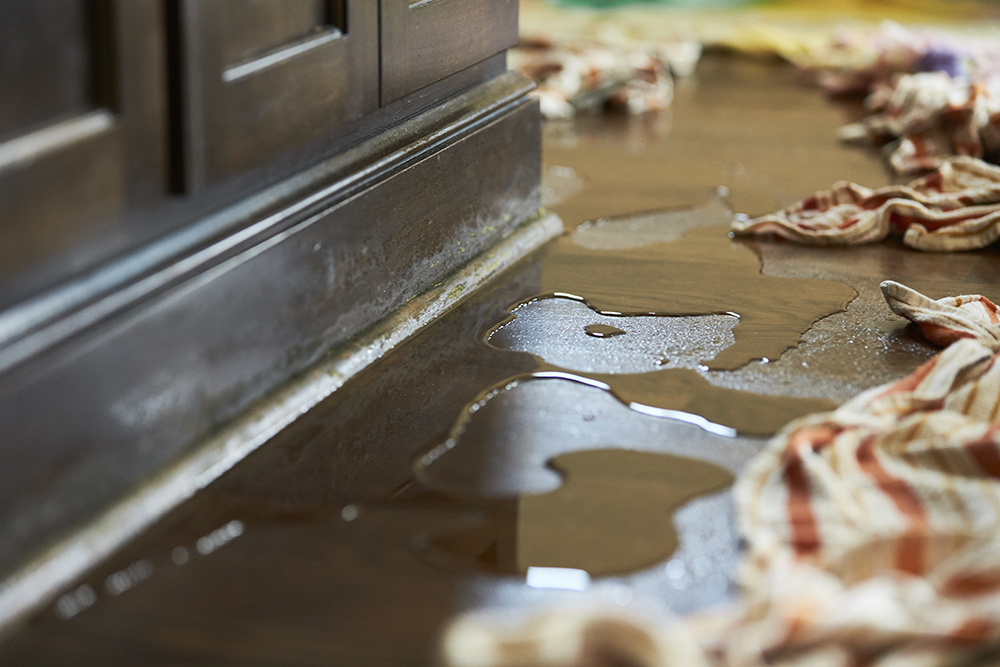
Despite best efforts, sometimes pipes burst and water damage occurs. Taking immediate steps can limit the extent of the problem:
- Shut off the main water supply to stop additional water from entering the home.
- Turn off electricity in affected areas if water is near electrical outlets or appliances.
- Remove standing water with mops, towels, or a wet/dry vacuum.
- Move valuables and furniture out of the affected area.
- Contact a professional restoration company for thorough drying and repairs.
Document the damage with photos for insurance claims. Quick action can help prevent mold growth and further structural issues.
Long-Term Solutions for Preventing Future Pipe Freezes
After addressing immediate concerns, consider these upgrades to reduce the risk of future incidents:
- Install pipe insulation throughout the home, especially in vulnerable areas.
- Add heating cables or pipe wraps for extra protection in extreme climates.
- Upgrade to frost-proof outdoor faucets and hose bibs.
- Improve overall home insulation to keep interior temperatures stable.
- Schedule annual plumbing inspections to catch potential problems early.
Consistent maintenance and proactive improvements can make a significant difference in preventing water damage from frozen pipes over the long term.
Recognizing and Repairing Water Damage
It’s important to recognize the signs of water damage early to prevent secondary problems like mold or structural decay. Look for discoloration, warping, or musty odors in walls, ceilings, and floors. If you’re unsure what to look for, this guide to identifying water damage provides helpful visuals and descriptions.
Promptly repairing affected areas is crucial. Remove and replace saturated drywall, insulation, or flooring. Use fans and dehumidifiers to dry out spaces thoroughly before rebuilding. If mold is present, consult a remediation specialist.
Related Causes of Household Water Damage
Frozen pipes are just one of several common sources of water intrusion in homes. Other frequent causes include:
- Malfunctioning sump pumps
- Leaking water heaters
- Faulty sprinkler systems
- Air conditioner condensation leaks
For more information on these topics, see our guides on water damage from sump pump failure, water damage from water heaters, water damage from sprinkler systems, and water damage from air conditioners.
Frequently Asked Questions
How can I tell if my pipes are frozen or just blocked?
Frozen pipes usually result in a sudden loss of water flow during cold weather, while a blockage from debris or mineral buildup tends to develop gradually. If you notice a complete stop in water flow from one or more fixtures and it’s below freezing outside, frozen pipes are likely the cause.
Is it safe to use a space heater to thaw frozen plumbing?
Space heaters can be used with caution in open areas, but never leave them unattended or place them directly against pipes. Safer alternatives include hair dryers or heating pads. Avoid open flames or torches, which are fire hazards and can damage pipes.
Will insurance cover water damage from burst pipes?
Most standard homeowners’ insurance policies cover sudden and accidental water damage from burst pipes, but not damage resulting from neglect or lack of maintenance. Review your policy and document the damage thoroughly for your claim.