
Water Damage from Appliance Leaks: Prevention Checklist
· Ethan Williams
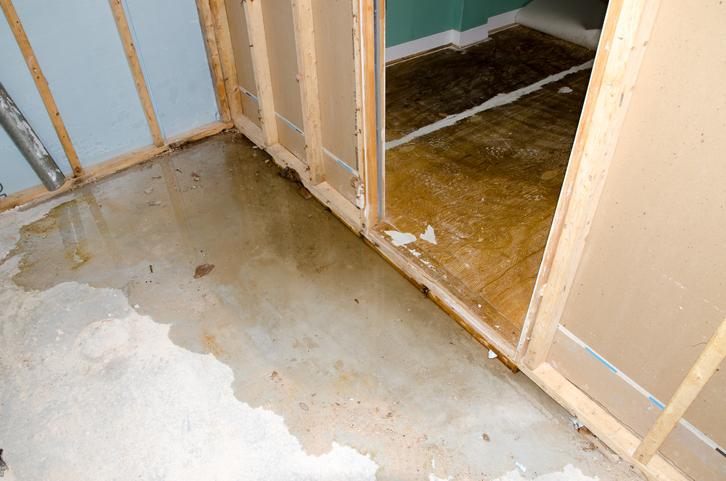
Household appliances are essential for daily comfort, but they can also be a hidden source of costly problems. Water damage from appliance leaks is a common issue that can lead to structural deterioration, mold growth, and expensive repairs if not addressed quickly. Understanding the risks and knowing how to prevent leaks can save you significant time, money, and stress.
Many homeowners are surprised to discover that even a small leak from a washing machine, dishwasher, or refrigerator can cause extensive harm over time. Early detection and a proactive maintenance routine are the best ways to protect your property. For additional tips on spotting issues before they escalate, see our guide on how to detect hidden water damage.
This article provides a comprehensive checklist to help you prevent leaks from appliances and minimize the risk of water intrusion in your home.
Common Appliances That Cause Water Damage
Several household machines are frequent culprits when it comes to leaks. Recognizing which appliances pose the highest risk can help you focus your maintenance efforts where they matter most. Below are some of the most common sources:
- Washing Machines: Hoses and connections can crack, loosen, or burst, especially if they’re old or improperly installed.
- Dishwashers: Door seals, supply lines, and drain hoses are vulnerable to wear and tear, leading to slow leaks that may go unnoticed.
- Refrigerators with Ice Makers or Water Dispensers: The water supply line can develop leaks behind the unit, often hidden from view.
- Water Heaters: Tanks can rust or corrode, causing leaks at the base or from the pressure relief valve.
- Air Conditioners: Clogged drain lines or faulty condensate pumps can result in water pooling near the unit.
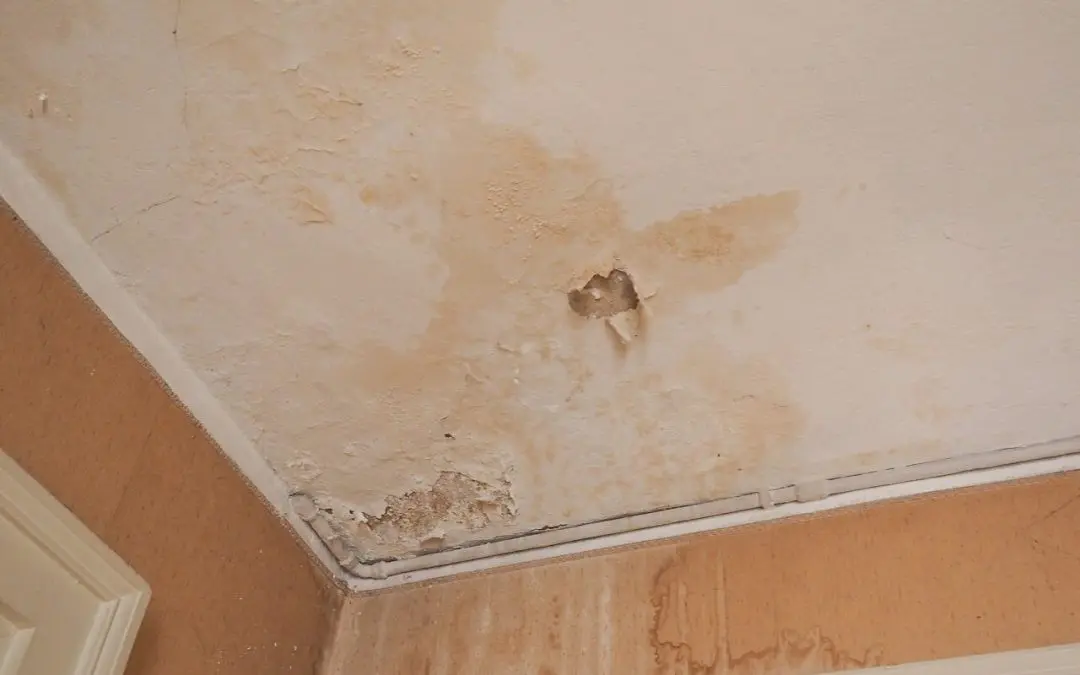
Addressing these appliances as part of your regular home maintenance can significantly reduce the chance of water damage from appliance leaks.
Key Signs of Appliance Leaks and Water Intrusion
Early detection is crucial in preventing minor leaks from turning into major problems. Look for these warning signs around your appliances:
- Unexplained puddles or damp spots near or under appliances
- Discoloration or warping of floors, walls, or cabinetry
- Mildew or musty odors in laundry rooms, kitchens, or utility closets
- Sudden drops in water pressure or unexpected increases in your water bill
- Visible rust, corrosion, or mineral buildup on hoses and connections
If you notice any of these symptoms, act quickly to investigate the source and prevent further damage. For guidance on distinguishing between new and old moisture issues, refer to this resource on identifying the age of water damage.
Prevention Checklist for Avoiding Water Damage from Appliance Leaks
Implementing a regular inspection and maintenance routine is the best way to avoid problems. Use this checklist to help safeguard your home:
-
Inspect Hoses and Connections
- Check all water supply hoses (washing machine, dishwasher, refrigerator) every six months for cracks, bulges, or signs of deterioration.
- Tighten loose connections and replace hoses every 3–5 years, or sooner if any damage is found.
-
Examine Appliance Seals and Gaskets
- Look for worn, cracked, or brittle door seals on dishwashers and washing machines.
- Clean seals regularly to prevent buildup that can compromise their effectiveness.
-
Monitor for Drips and Puddles
- Check beneath and behind appliances for moisture after each use, especially in older units.
- Use a flashlight to inspect hard-to-see areas.
-
Install Leak Detection Devices
- Place water alarms or smart leak detectors near high-risk appliances for early warning of leaks.
- Consider models that send alerts to your phone for added peace of mind.
-
Maintain Water Heaters and Air Conditioners
- Flush your water heater annually to remove sediment and check for corrosion.
- Ensure AC drain lines are clear and condensate pumps are functioning properly.
-
Know How to Shut Off Water Supply
- Familiarize yourself with the location of shutoff valves for each appliance and your main water supply.
- Practice turning them off so you can act quickly in an emergency.
-
Schedule Professional Inspections
- Have a licensed plumber or appliance technician inspect your systems annually, especially if your appliances are more than five years old.

What to Do If You Discover a Leak
If you find evidence of a leak, immediate action is necessary to minimize the impact:
- Shut off the water supply to the affected appliance or your home’s main valve.
- Unplug electrical appliances if it is safe to do so.
- Clean up standing water with towels, mops, or a wet/dry vacuum.
- Dry the area thoroughly to prevent mold growth—use fans and dehumidifiers if available.
- Contact a professional for repairs and to assess any hidden damage.
Addressing leaks promptly can prevent secondary issues like mold, which can develop within 24–48 hours in damp environments. For more on preventing mold from hidden water sources, see our article on how to detect hidden water damage.
Additional Tips for Reducing Leak Risks
- Never overload washing machines or dishwashers, as this can strain hoses and seals.
- Leave space behind appliances for ventilation and easy access to connections.
- Replace aging appliances before they reach the end of their expected lifespan (typically 10–15 years).
- Consider using braided stainless steel hoses, which are more durable than rubber alternatives.
- Regularly check your water bill for unexplained increases, which may indicate a hidden leak.
For information about other sources of water intrusion, such as water damage from frozen pipes or sprinkler system issues, explore our related guides.
FAQ
How often should I check my appliances for leaks?
It’s best to inspect hoses, seals, and connections on major appliances at least twice a year. Schedule more frequent checks if your appliances are older or if you’ve experienced leaks in the past.
What are the first signs of water damage from appliance leaks?
Early indicators include puddles or damp spots near appliances, musty odors, warped flooring, and unexplained increases in your water bill. Catching these signs early can help you prevent more serious damage.
Can insurance help with repairs from appliance-related water issues?
Many homeowner insurance policies cover sudden and accidental water damage, but may not cover gradual leaks due to lack of maintenance. Review your policy and keep records of regular inspections and maintenance to support any future claims.
Are there smart devices that can help prevent water damage?
Yes, smart leak detectors and water shutoff valves can provide real-time alerts and even automatically stop the water supply if a leak is detected. These devices are especially useful for high-risk areas and when you’re away from home.
What should I do if I suspect mold after a leak?
If you notice persistent odors or visible mold growth after a leak, consult a professional for remediation. Mold can spread quickly and pose health risks if not properly addressed.
By following this prevention checklist and staying vigilant, you can greatly reduce the risk of costly repairs and protect your home from the consequences of appliance leaks. Regular maintenance and prompt action are key to keeping your living space safe and dry.