
Water Damage from Attic Leaks: Causes, Signs & Repairs
· Ethan Williams
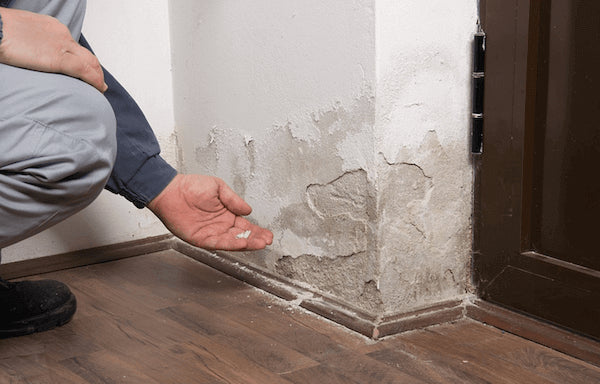
Attics are often overlooked until a problem arises, but when moisture finds its way in, the consequences can be serious. Water damage from attic leaks can silently compromise your home’s structure, lead to mold growth, and result in costly repairs if not addressed promptly. Understanding the causes, early warning signs, and effective repair strategies is essential for every homeowner who wants to protect their investment and maintain a healthy living environment.
While many people are aware of issues like water damage from plumbing leaks or basement flooding, attic leaks present unique challenges. Moisture entering from above can travel downward, affecting insulation, ceilings, and even walls before it’s ever visible. That’s why early detection and a proactive approach are key.
Common Causes of Moisture Intrusion in the Attic
There are several reasons why attics become vulnerable to leaks and subsequent water damage. Recognizing these sources can help you prevent issues before they escalate:
- Roofing Failures: Damaged, missing, or improperly installed shingles are a leading cause. Over time, weather exposure can degrade roofing materials, allowing water to seep through.
- Flashing Problems: Flashing is used around chimneys, vents, and skylights to create a watertight seal. If flashing is corroded, loose, or missing, water can easily penetrate.
- Ice Dams: In colder climates, ice dams form when snow melts and refreezes at the roof’s edge. This can force water under the shingles and into the attic.
- Poor Ventilation: Without adequate airflow, condensation can build up inside the attic, leading to moisture problems even without a direct leak.
- Clogged Gutters: When gutters are blocked, rainwater can overflow and seep under the roofline, eventually finding its way into the attic.
Addressing these issues promptly can help you avoid extensive water damage from attic leaks and the headaches that follow.
Recognizing the Signs of Attic Water Damage
Early detection is crucial. The sooner you spot the warning signs, the easier and less expensive repairs will be. Here are some common indicators that moisture may be entering your attic:
- Stained Ceilings or Walls: Brown or yellow discoloration on ceilings or upper walls often points to a leak above.
- Mold or Mildew Growth: Persistent dampness creates the perfect environment for mold, which can spread quickly and affect indoor air quality.
- Musty Odors: A persistent, earthy smell in your home can signal hidden moisture and mold in the attic or insulation.
- Peeling Paint or Bubbling Plaster: Water intrusion can cause paint to lift or plaster to bubble, especially on ceilings directly below the attic.
- Warped Wood or Sagging Materials: Rafters, joists, or even ceiling drywall may warp or sag as they absorb moisture.
- Visible Water Drips: In severe cases, you may actually see water dripping or pooling in the attic after rain or snowmelt.
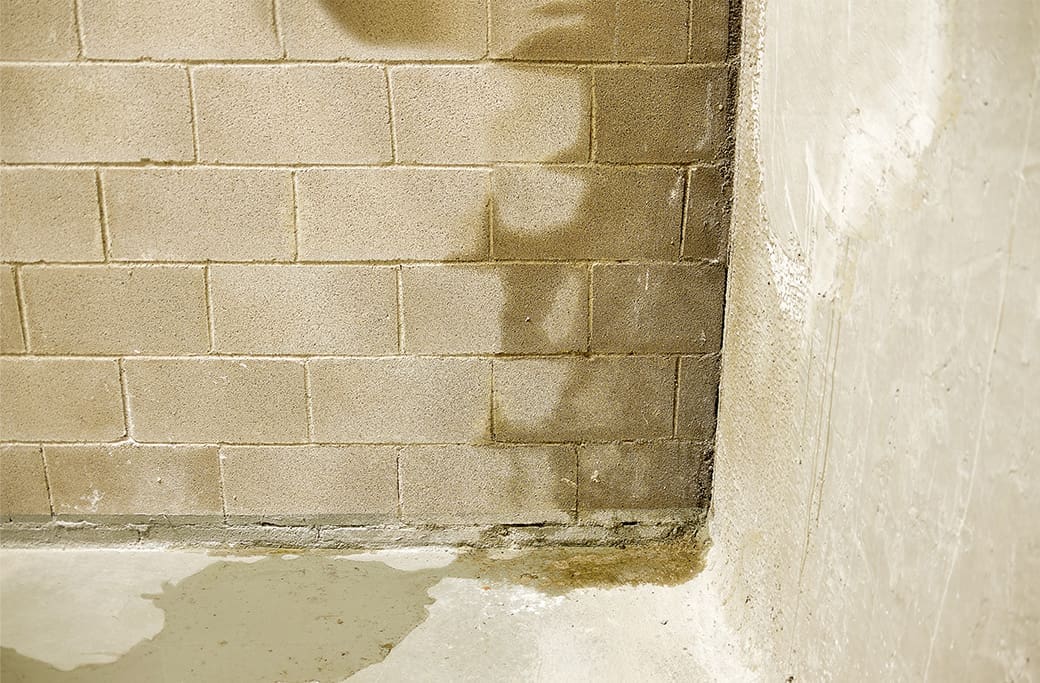
Some signs, like stains or odors, can be subtle and develop over time. For more tips on identifying hidden moisture, check out this guide to detecting hidden water damage before it becomes a major problem.
How Attic Leaks Lead to Structural and Health Risks
Unchecked moisture in the attic doesn’t just stay put. Over time, it can migrate downward, affecting insulation, electrical wiring, and structural components. Here’s how attic leaks can create bigger problems:
- Compromised Insulation: Wet insulation loses its effectiveness, leading to higher energy bills and less comfort.
- Wood Rot: Prolonged exposure to moisture can cause rafters and joists to rot, weakening the roof’s structure.
- Mold Proliferation: Mold spores thrive in damp environments and can spread to living spaces, triggering allergies or respiratory issues.
- Electrical Hazards: Water and wiring are a dangerous mix. Leaks can increase the risk of short circuits or even fire.
- Ceiling and Wall Damage: As water travels, it may cause ceilings to sag or walls to crack and deteriorate.

These risks highlight the importance of addressing water damage from attic leaks as soon as it’s detected. Ignoring the problem can result in extensive repairs and potential health hazards for your household.
Effective Repair Strategies for Attic Moisture Problems
Once you’ve identified a leak, taking immediate action is essential. Here’s a step-by-step approach to repairing and preventing future attic water issues:
- Locate the Source: Inspect the attic during or after rainfall to trace the path of water. Look for wet spots, drips, or daylight coming through the roof.
- Address Roofing Issues: Replace damaged shingles, repair flashing, and seal any gaps. If the roof is old or extensively damaged, consider professional replacement.
- Improve Ventilation: Ensure soffit, ridge, or gable vents are clear and functioning to prevent condensation buildup.
- Replace Wet Insulation: Remove and discard any insulation that has been saturated. Install new, dry insulation to restore energy efficiency.
- Dry Out the Area: Use fans and dehumidifiers to thoroughly dry the attic. This helps prevent mold growth and further deterioration.
- Repair Interior Damage: Patch and repaint stained ceilings or walls, and replace any materials that show signs of rot or mold.
For complex repairs or persistent leaks, it’s wise to consult a roofing or water damage specialist. They can assess the full extent of the problem and recommend long-term solutions.
Prevention Tips to Avoid Future Attic Water Issues
Proactive maintenance is the best defense against attic leaks. Here are some practical steps to keep your home dry and protected:
- Inspect your roof and attic at least twice a year, especially after severe weather.
- Keep gutters and downspouts clear of debris to ensure proper drainage.
- Check and maintain flashing around chimneys, vents, and skylights.
- Ensure attic vents are unobstructed and provide adequate airflow.
- Monitor insulation for signs of dampness or mold.
- Address ice dams promptly by improving attic insulation and ventilation.
If you’re interested in learning about other sources of home moisture, explore topics like water damage from sump pump failure or water damage from heavy rain for more prevention strategies.
Frequently Asked Questions
What are the first signs of attic water damage?
Early indicators include brown stains on ceilings, musty odors, visible mold, and warped or sagging materials in the attic. Regular inspections can help you catch these signs before they become severe.
Can attic leaks cause health problems?
Yes, persistent moisture can lead to mold growth, which may trigger allergies, asthma, or respiratory issues, especially in sensitive individuals. Promptly addressing leaks and drying out affected areas is important for maintaining indoor air quality.
How can I prevent water damage in my attic?
Routine roof and attic inspections, maintaining gutters, ensuring proper ventilation, and addressing any signs of leaks immediately are key steps. Upgrading insulation and monitoring for ice dams in winter can also help prevent future problems.
Do I need professional help for attic leaks?
Minor leaks may be manageable for experienced DIYers, but if you’re unsure of the source, see signs of structural damage, or suspect mold, it’s best to consult a professional. They can provide a thorough assessment and recommend the best course of action.
By staying vigilant and addressing attic moisture issues early, you can protect your home from the costly and disruptive effects of water damage from attic leaks. Regular maintenance and prompt repairs are your best defense against this hidden threat.