
How to Prevent and Repair Water Damage in Basements
· Ethan Williams
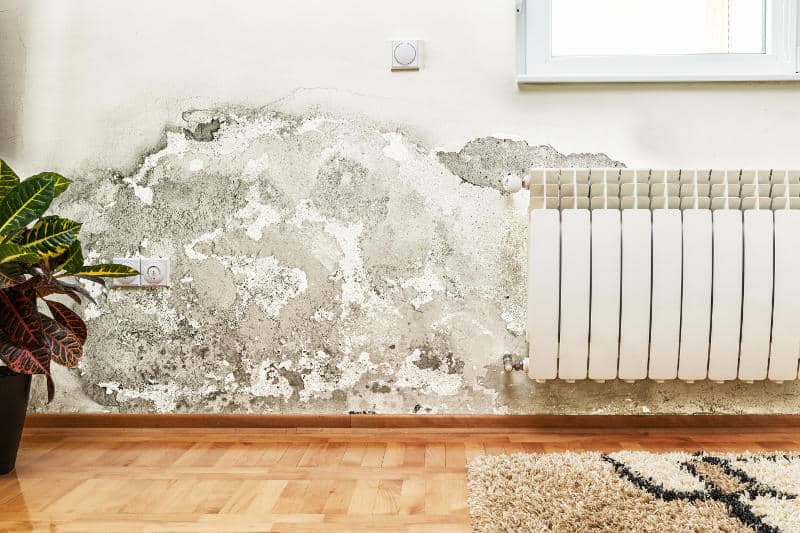
Basements are particularly vulnerable to moisture issues due to their below-ground location. Water damage in basements can lead to costly repairs, structural problems, and health hazards like mold growth. Understanding how to recognize, prevent, and fix these issues is essential for homeowners who want to protect their property and maintain a healthy living environment.
Early detection of moisture problems is crucial. If left unaddressed, even minor leaks or seepage can escalate into significant damage. For a comprehensive overview of subtle warning signs, you may want to review hidden water damage signs that every homeowner should know.
Common Causes of Basement Moisture Problems
Understanding the root causes of water damage in basements is the first step to effective prevention and repair. Some of the most frequent sources include:
- Surface water infiltration: Rainwater or melting snow that pools around the foundation can seep through cracks or porous concrete.
- Plumbing leaks: Broken pipes, faulty water heaters, or malfunctioning sump pumps can release water directly into the basement.
- High groundwater levels: When the water table rises, hydrostatic pressure can force moisture through basement walls and floors.
- Poor drainage systems: Ineffective gutters, downspouts, or grading can direct water toward the home’s foundation.
- Condensation: Humid air meeting cool basement surfaces can create persistent dampness and encourage mold growth.
Recognizing these sources helps homeowners target the right solutions and avoid recurring issues.
Signs You May Have Basement Water Issues
Detecting early symptoms of moisture intrusion is essential to minimize damage. Some key indicators include:
- Musty odors or persistent dampness
- Visible mold or mildew on walls, floors, or belongings
- Efflorescence (white, chalky residue) on masonry surfaces
- Peeling paint, bubbling wallpaper, or warped wood
- Standing water or puddles after heavy rain
- Cracks in the foundation or basement walls
For more detailed information on identifying subtle warning signs, check out resources on signs of water damage on your property.

Preventing Water Damage Below Ground
Prevention is far more cost-effective than repair. Here are some practical steps to keep your basement dry and protected:
- Maintain gutters and downspouts: Clean them regularly and ensure downspouts direct water at least 6 feet away from the foundation.
- Grade the landscape: Slope soil away from the house to prevent pooling near the foundation.
- Seal cracks and joints: Use hydraulic cement or epoxy to fill gaps in walls and floors.
- Install a sump pump: This device removes excess water and is especially important in areas with high water tables.
- Use a dehumidifier: Lowering humidity helps prevent condensation and mold growth.
- Waterproof the basement: Apply waterproof coatings to interior walls or consider exterior membrane systems for added protection.
- Check plumbing regularly: Inspect pipes, water heaters, and appliances for leaks or corrosion.
Proactive maintenance and regular inspections can save thousands in future repairs and help maintain a healthy basement environment.
Repairing Water Damage in Basements
When moisture problems occur, prompt action is necessary to prevent further deterioration. The following steps outline how to address and fix basement water issues:
- Identify and stop the source: Trace the origin of the water—whether it’s a plumbing leak, foundation crack, or surface runoff—and address it immediately.
- Remove standing water: Use a wet/dry vacuum, sump pump, or professional extraction services to clear out water.
- Dry the area thoroughly: Increase ventilation, use fans, and run dehumidifiers to remove residual moisture.
- Clean and disinfect: Prevent mold by cleaning all affected surfaces with a disinfectant solution.
- Repair structural damage: Patch cracks, replace damaged drywall or insulation, and repaint with mold-resistant products.
- Monitor for mold: Continue checking for signs of mold or mildew in the weeks following repairs.
For more specific guidance on related issues, such as water damage from appliance leaks or water damage from sewer backups, consult specialized resources.
When to Call a Professional
While many minor moisture issues can be handled by homeowners, some situations require expert intervention. Consider contacting a professional if:
- There is extensive mold growth or a persistent musty odor
- Structural damage is visible in the foundation, walls, or floors
- Repeated flooding occurs despite preventive measures
- You are unable to identify the source of the water
Professionals can assess the situation, recommend long-term solutions, and ensure repairs are up to code.
Long-Term Strategies for a Dry Basement
Ongoing vigilance is key to avoiding future problems. Here are some long-term tips:
- Schedule annual inspections of your basement and foundation
- Keep landscaping and drainage systems in good condition
- Upgrade to water-resistant building materials where possible
- Install backwater valves to prevent sewer backups
- Educate household members about early warning signs
For additional advice on detecting issues before they escalate, see this guide on how to detect hidden water damage.
Frequently Asked Questions
What are the most common signs of water problems in a basement?
Common indicators include musty smells, visible mold, peeling paint, efflorescence on masonry, and puddles or damp spots after rain. Cracks in the foundation or warped flooring can also signal moisture intrusion.
How can I prevent water from entering my basement during heavy rain?
Ensure gutters and downspouts are clear and direct water away from the foundation. Grade soil so it slopes away from the house, seal any cracks, and consider installing a sump pump or waterproofing system for added protection.
Is it safe to clean up basement water damage myself?
Small leaks or minor dampness can often be handled by homeowners using fans, dehumidifiers, and cleaning solutions. However, if there is extensive flooding, mold growth, or structural damage, it’s best to consult a professional to ensure safe and thorough remediation.