
10 Hidden Water Damage Signs Every Homeowner Should Know
· Ethan Williams

Water damage can be one of the most costly and disruptive issues for property owners. While some problems are obvious, such as standing water or a burst pipe, many warning signals are subtle and easily overlooked. Spotting hidden water damage signs early can help prevent expensive repairs, structural problems, and even health hazards like mold growth.
Understanding what to look for is essential for maintaining a safe and healthy living environment. In this guide, we’ll break down the most common indicators that water is causing trouble behind the scenes, and explain how to address them before they escalate.
For a deeper dive into early detection techniques, check out our article on how to detect hidden water damage before it leads to bigger problems.
Why Early Detection of Concealed Water Issues Matters
Unnoticed moisture can quietly undermine the integrity of your home. Over time, it may cause wood rot, weaken drywall, and create an ideal environment for mold and mildew. Early identification of hidden water damage signs is crucial for:
- Preventing costly repairs
- Protecting indoor air quality
- Maintaining property value
- Reducing the risk of structural damage
Let’s explore the most common red flags that suggest water is causing trouble where you can’t easily see it.
1. Discoloration and Stains on Walls or Ceilings
One of the earliest indicators of moisture problems is the appearance of yellow, brown, or copper-colored stains on ceilings or walls. These marks often signal a slow leak from plumbing, roofing, or exterior walls. If you notice new or expanding stains, investigate immediately to prevent further deterioration.
2. Peeling, Bubbling, or Cracked Paint and Wallpaper
Paint and wallpaper are designed to adhere to dry surfaces. When moisture seeps behind them, you may see bubbling, peeling, or cracking. This is especially common in bathrooms, kitchens, and basements. Don’t ignore these cosmetic changes—they often point to a deeper issue.
3. Warped or Buckling Flooring
Wood, laminate, and even vinyl flooring can warp or buckle when exposed to hidden moisture. Look for areas where the floor feels uneven, soft, or spongy underfoot. Swollen baseboards or separated floorboards are also classic hidden water damage signs.
4. Musty or Damp Odors
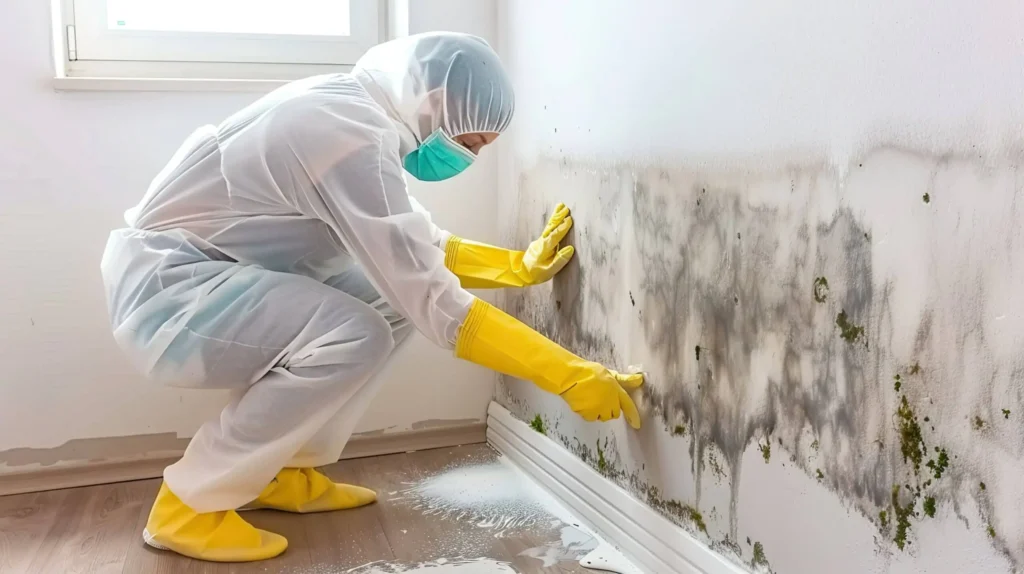
A persistent musty smell is a strong indicator of excess moisture, even if you can’t see any visible damage. This odor is often caused by mold or mildew growing in hidden areas such as behind walls, under floors, or inside HVAC ducts. If you notice an unexplained damp smell, investigate further.
5. Mold Growth in Unusual Places
Mold thrives in moist, dark environments. While it’s common in bathrooms, finding mold in closets, behind furniture, or on window sills can signal a hidden leak or condensation problem. Mold can appear as black, green, or white spots and should always be addressed promptly to protect your health.
6. Unexplained Increases in Water Bills
If your water bill suddenly spikes without a clear reason, it could mean there’s a hidden leak somewhere in your plumbing system. Even small drips can waste hundreds of gallons over time, so monitor your usage and investigate any unexpected changes.
7. Sagging Ceilings or Walls
When water accumulates above ceilings or behind walls, it can cause these surfaces to sag or bulge. This is a serious warning sign that requires immediate attention, as the affected area may collapse if the moisture problem isn’t resolved quickly.
8. Rust or Corrosion on Pipes and Fixtures
Corrosion on metal pipes, valves, or fixtures may indicate a slow leak or persistent condensation. Rust stains around sinks, tubs, or toilets are also clues that water is escaping and causing damage over time.
9. Visible Efflorescence or White Powdery Residue
Efflorescence is a white, chalky substance that appears on masonry, brick, or concrete surfaces. It’s caused by water seeping through the material and depositing mineral salts on the surface. This is a telltale sign of ongoing moisture intrusion, especially in basements or crawl spaces.
10. Sounds of Dripping or Running Water
Sometimes, the only clue is auditory. If you hear dripping, trickling, or running water when all fixtures are off, there may be a hidden leak inside your walls, floors, or ceilings. Don’t ignore these sounds—they often precede visible damage.
What Causes Concealed Water Damage?
There are many sources of hidden moisture problems, including:
- Leaky roofs or flashing
- Faulty plumbing joints or pipes
- Improperly sealed windows and doors
- Appliance malfunctions (dishwashers, washing machines, water heaters)
- Poor drainage or grading around the foundation
- Attic or basement leaks
To learn more about specific sources, see our guides on water damage from appliance leaks and water damage from attic leaks.
For a comprehensive overview of causes, you can also visit this detailed explanation of water damage causes from restoration experts.
How to Respond When You Spot Warning Signs
If you notice any of the above symptoms, act quickly to prevent further harm:
- Identify and stop the source of moisture, if possible.
- Dry out affected areas using fans and dehumidifiers.
- Remove and replace damaged materials (drywall, insulation, flooring) if necessary.
- Consult a professional for large or persistent problems, especially if mold is present.
- Address underlying issues such as poor drainage, faulty plumbing, or roof leaks to prevent recurrence.
Prompt action can help you avoid more extensive repairs and protect your family’s health.
Prevention Tips for Homeowners
While not all water damage can be avoided, regular maintenance and vigilance can greatly reduce your risk. Here are some practical steps:
- Inspect your roof, gutters, and downspouts at least twice a year.
- Check under sinks, around appliances, and in basements for leaks or dampness.
- Seal windows, doors, and foundation cracks.
- Install water alarms or moisture sensors in vulnerable areas.
- Maintain your sump pump and sprinkler systems—see our water damage from sump pump failure and water damage from sprinkler systems guides for more details.
Being proactive is the best defense against the hidden dangers of moisture intrusion.
Frequently Asked Questions
What are the most common hidden water damage signs to look for?
The most frequent indicators include stains or discoloration on walls and ceilings, musty odors, warped flooring, peeling paint, and unexplained increases in water bills. Mold growth in unusual places and sagging surfaces are also strong signals.
Can hidden water damage cause health problems?
Yes. Undetected moisture can lead to mold and mildew growth, which may trigger allergies, asthma, or other respiratory issues. Prolonged exposure to damp environments can also affect indoor air quality and overall well-being.
How can I prevent concealed water damage in my home?
Regular inspections, prompt repairs of leaks, maintaining appliances, and ensuring proper drainage around your property are effective ways to minimize risk. Installing moisture sensors and keeping an eye out for subtle changes can also help catch problems early.
When should I call a professional for water damage?
If you find extensive damage, persistent mold, or can’t locate the source of moisture, it’s best to consult a restoration specialist. Professionals have the tools and expertise to assess and repair hidden issues safely and thoroughly.
By staying alert to these subtle warning signs and taking prompt action, you can protect your property and avoid the headaches of major repairs down the line.