
Water Damage Infrared Inspection: How Thermal Imaging Helps
· Ethan Williams
Detecting hidden moisture is one of the biggest challenges when dealing with property leaks, flooding, or plumbing failures. Traditional methods often miss moisture trapped behind walls, under floors, or in ceilings. Water damage infrared inspection uses advanced thermal imaging technology to pinpoint these hidden issues quickly and accurately, helping homeowners, property managers, and restoration professionals minimize long-term damage and repair costs.
In this article, we’ll explore how thermal cameras work, why they’re so effective for moisture detection, and what you can expect during a professional inspection. We’ll also look at the benefits of this approach and how it compares to other water damage moisture detection methods available today.
Understanding Thermal Imaging for Moisture Detection
Thermal imaging cameras detect temperature differences on surfaces. When water is present inside walls, ceilings, or floors, it changes the way heat is absorbed and released. Wet areas typically appear cooler than dry areas, creating a visible contrast in the thermal image. This allows inspectors to spot hidden leaks and moisture pockets without invasive procedures.
Unlike traditional moisture meters, which require direct contact with surfaces, thermal cameras can scan large areas quickly. This makes them especially useful for locating the source of leaks, mapping the extent of water intrusion, and verifying that drying efforts have been successful.
Benefits of Water Damage Infrared Inspection
Using infrared technology for water damage offers several advantages over conventional inspection methods:
- Non-invasive detection: No need to cut into walls or remove flooring to find hidden moisture.
- Early identification: Detects problems before visible signs like stains, mold, or warping appear.
- Comprehensive coverage: Quickly scans entire rooms or buildings, ensuring no affected area is missed.
- Accurate documentation: Provides clear visual evidence for insurance claims or repair planning.
- Faster response: Enables prompt action to prevent further damage and reduce restoration costs.
For commercial properties, homes, and even specialty spaces like bathrooms and kitchens, this method streamlines the process of identifying and addressing water-related issues. For more targeted advice on specific spaces, see our guides on water damage in bathrooms and water damage in kitchens.
How the Inspection Process Works
A typical thermal imaging assessment for water leaks involves several key steps:
- Initial walkthrough: The inspector gathers information about recent leaks, flooding, or suspicious areas.
- Thermal scan: Using a handheld infrared camera, the technician scans walls, ceilings, floors, and other surfaces. The camera displays a color-coded image showing temperature variations.
- Moisture verification: If a suspicious area is found, the inspector may use a moisture meter to confirm the presence of water.
- Documentation: Images and findings are recorded in a report, often including recommendations for repairs or further investigation.
This process is quick, clean, and causes minimal disruption. It’s especially valuable after storms, plumbing failures, or when buying or selling property.

Common Signs That Call for a Thermal Inspection
Some signs of hidden moisture are obvious, like puddles or water stains. However, many issues remain concealed until significant damage occurs. Consider scheduling an infrared inspection for water intrusion if you notice:
- Musty odors with no visible source
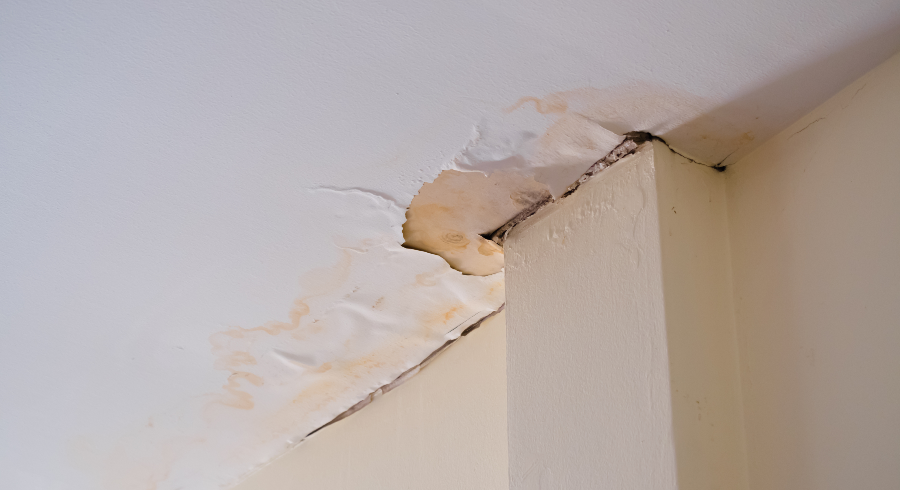
- Peeling paint or bubbling wallpaper
- Unexplained increases in humidity or condensation
- Warped floors or baseboards
- Sudden spikes in water bills
Even if you don’t see these symptoms, it’s wise to have a professional assessment after a major leak or flood. Early detection can prevent mold growth and structural deterioration.
Comparing Infrared Inspections to Other Methods
While thermal imaging for water damage is highly effective, it’s often used alongside other techniques for the most accurate results. For example, pin-type moisture meters can measure the exact moisture content in wood or drywall, while hygrometers track air humidity. Combining these tools ensures a thorough evaluation.
For a deeper look at different approaches, check out our article on water damage moisture detection methods. Each method has its strengths, but thermal imaging stands out for its speed, non-invasiveness, and ability to visualize hidden problems.
What to Expect from a Professional Service
When hiring a certified inspector, you can expect a detailed assessment and clear reporting. Professionals use high-resolution cameras and are trained to interpret subtle temperature differences. They’ll provide you with thermal images, explain their findings, and recommend next steps.
Many restoration companies offer this service as part of their standard water damage response. Some also use thermal imaging to monitor drying progress, ensuring that all affected areas are fully restored before repairs begin.
Insurance and Documentation Benefits
Having clear, visual proof of hidden moisture can be invaluable when filing insurance claims. Many insurers require evidence of the extent and source of damage. Thermal images make it easy to demonstrate the need for repairs and justify your claim. For more on what insurance typically covers, see this detailed guide to signs of water damage in walls.
Proper documentation also helps contractors plan repairs more accurately, reducing the risk of missed damage or incomplete restoration.
Limitations and When to Seek Expert Help
While infrared moisture detection is powerful, it does have some limitations. Thermal cameras can’t “see” water directly—they detect temperature differences, which may be influenced by sunlight, insulation, or HVAC systems. That’s why it’s important to use them in conjunction with other tools and rely on experienced professionals for interpretation.
If you suspect a leak or have experienced flooding, don’t wait for visible signs to appear. Prompt assessment by a qualified inspector can save you time, money, and stress in the long run.
FAQ
How accurate is thermal imaging for detecting water damage?
Thermal imaging is highly effective for locating hidden moisture, especially when used by trained professionals. However, it should be combined with other tools like moisture meters for confirmation, as temperature differences can sometimes be caused by factors other than water.
Can I use a smartphone thermal camera for home inspections?
Some smartphone attachments offer basic thermal imaging, but their resolution and sensitivity are usually lower than professional-grade equipment. For critical issues or insurance documentation, it’s best to hire a certified inspector with specialized tools.
Is thermal imaging safe for my home and family?
Yes, thermal cameras are completely non-invasive and safe. They do not emit any harmful radiation or require physical contact with surfaces. The process is quick, clean, and causes no disruption to your property.