
Top Water Damage Moisture Detection Methods for Pros
· Ethan Williams

Professionals in restoration and property management understand that detecting hidden moisture is crucial for effective water damage mitigation. Whether the issue stems from a burst pipe, flooding, or gradual leaks, undetected dampness can lead to structural deterioration, mold growth, and costly repairs. Mastering water damage moisture detection methods ensures that no moisture is left behind, safeguarding both property and health.
For those managing specific spaces, such as water damage in apartments, early and accurate detection is especially important. The right approach combines advanced technology with practical know-how, allowing restoration professionals to address problems at their source and prevent long-term issues.
Why Accurate Moisture Detection Matters
Water intrusion can be deceptive. While visible signs like stains or warped flooring are easy to spot, moisture often seeps into hidden areas—behind walls, under floors, and within insulation. If left unchecked, this can compromise structural integrity and foster unhealthy environments. Using the most effective moisture detection techniques helps professionals:
- Pinpoint the full extent of water damage
- Prevent mold and bacterial growth
- Reduce unnecessary demolition and repair costs
- Ensure thorough drying and restoration
Visual Inspection: The First Step
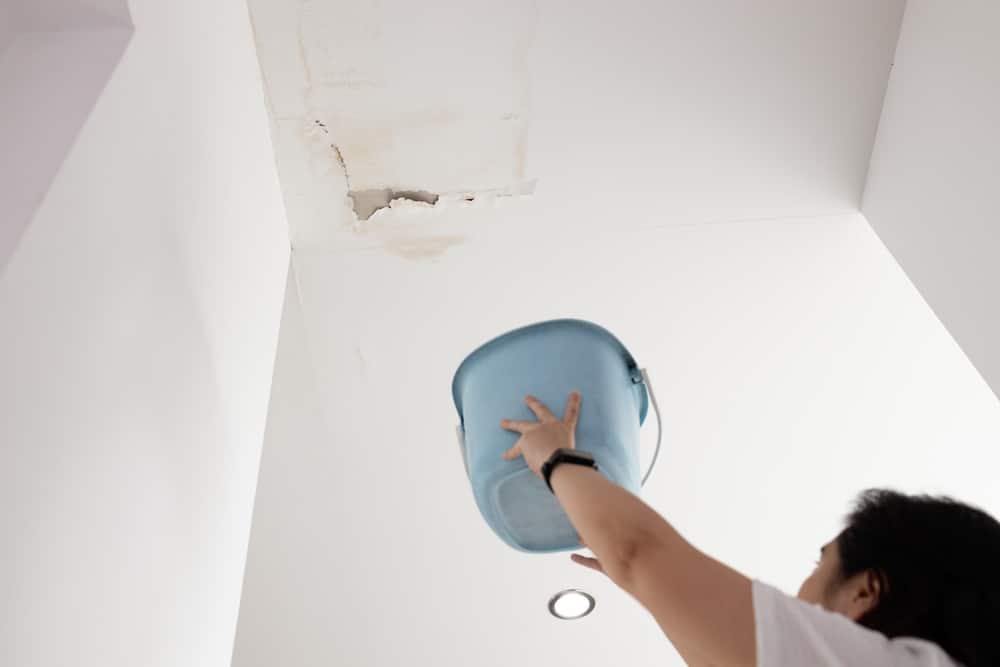
Every assessment begins with a thorough visual check. Restoration experts look for telltale signs such as discoloration, bubbling paint, warped materials, and musty odors. While this step is essential, it only reveals surface-level issues. Visual inspection is best used in combination with more advanced water damage moisture detection methods to uncover hidden problems.
Pin-Type Moisture Meters: Direct Measurement
Pin-type meters are a staple in the toolkit of restoration professionals. These devices use two metal probes that are inserted into building materials to measure electrical resistance. Since water conducts electricity, higher readings indicate greater moisture content. Pin meters are particularly effective for:
- Testing wood, drywall, and plaster
- Identifying moisture gradients within materials
- Providing quantitative data for documentation
However, pin meters do leave small holes and are best used in areas where minor surface damage is acceptable or easily repaired.
Pinless Moisture Meters: Non-Invasive Scanning
For situations where surface integrity is a concern, pinless meters offer a non-destructive alternative. These tools use electromagnetic sensors to scan for moisture beneath the surface without penetration. Pinless meters are ideal for:
- Quickly surveying large areas
- Checking finished surfaces like hardwood floors or painted walls
- Detecting moisture up to several centimeters deep
While these meters provide rapid results, their readings can be influenced by the density and composition of the material, so calibration and experience are key for accurate interpretation.
Infrared Thermography: Visualizing Hidden Moisture
Thermal imaging cameras have become increasingly popular in the restoration industry. These devices detect temperature differences on surfaces, which can indicate the presence of moisture. Wet materials often appear cooler than dry ones due to evaporation and heat transfer. Infrared thermography allows professionals to:
- Identify hidden leaks behind walls and ceilings
- Map the spread of water intrusion over large areas
- Document findings for insurance and restoration planning
It’s important to note that thermal cameras do not directly measure moisture; they highlight temperature anomalies that may warrant further investigation with other tools.
Hygrometers and Psychrometers: Monitoring Air Moisture
While surface and subsurface moisture are critical, ambient humidity also plays a significant role in the drying process. Hygrometers and psychrometers measure the moisture content in the air, helping professionals:
- Assess drying conditions
- Monitor progress during restoration
- Prevent secondary damage from excessive humidity
These tools are essential for managing air movers and dehumidifiers, ensuring that the environment supports effective drying.
Advanced Techniques: Borescopes and Calcium Carbide Testing
For complex cases, additional methods may be required. Borescopes allow visual inspection inside wall cavities and other inaccessible spaces, while calcium carbide testing provides precise moisture content readings in concrete and masonry. These specialized approaches are used when standard meters cannot provide definitive answers.
Choosing the Right Moisture Detection Method
The best approach often combines several of the above techniques. Restoration professionals assess the situation, the materials involved, and the extent of visible and suspected damage to determine which tools to deploy. For example, a pinless meter might be used to scan a hardwood floor, followed by a pin-type meter to confirm readings in suspect areas. Thermal imaging can then help map the spread of moisture, while hygrometers track drying progress.
For those interested in learning more about the signs and symptoms of water intrusion, this guide to identifying water damage provides additional insights.
Common Challenges in Moisture Detection
Even with advanced technology, certain challenges persist. Materials like tile, concrete, and insulation can mask moisture, and environmental factors such as temperature and humidity can affect readings. Professionals must interpret data carefully and often rely on experience to distinguish between false positives and genuine problems.
In commercial environments, such as water damage in commercial buildings, the complexity of construction and the scale of potential damage make thorough assessment even more critical. Regular training and calibration of equipment are essential for maintaining accuracy.
Best Practices for Restoration Pros
- Always document initial conditions with photos and meter readings
- Use a combination of detection methods for comprehensive results
- Calibrate meters according to manufacturer specifications
- Reassess moisture levels throughout the drying process
- Communicate findings clearly to clients and insurance adjusters
By following these best practices, professionals can ensure that restoration efforts are both effective and efficient, minimizing disruption and preventing future issues.
FAQ: Moisture Detection in Water Damage Restoration
What are the most reliable tools for detecting hidden moisture?
The most reliable tools include pin-type and pinless moisture meters, infrared cameras, and hygrometers. Using a combination of these instruments helps ensure that both visible and concealed moisture is identified and addressed.
How often should moisture levels be checked during restoration?
Moisture levels should be checked at the start of the project, throughout the drying process, and before final clearance. Frequent monitoring helps track progress and ensures that all affected areas reach acceptable dryness standards.
Can homeowners use these detection methods themselves?
Some basic tools, like pinless meters and hygrometers, are available for consumer use. However, accurate assessment—especially in complex or large-scale situations—typically requires professional expertise and equipment.
What are the risks of missing hidden moisture?
Undetected moisture can lead to mold growth, structural weakening, and ongoing property damage. Early and thorough detection is essential for preventing these long-term problems.
For more tips on managing water issues in specific areas, see our guides on water damage in bathrooms and water damage in kitchens. Proactive detection and response are key to protecting your property and ensuring a safe, healthy environment.