
Water Damage in Commercial Buildings: Prevention & Response
· Ethan Williams
Water damage in commercial buildings can have far-reaching consequences, from costly repairs and business interruptions to health hazards for occupants. Understanding how to prevent and respond to these incidents is essential for property managers, business owners, and facility teams. This article explores the most common causes of water-related issues in commercial properties, practical steps for prevention, and effective response strategies to minimize impact and ensure business continuity.
For those interested in specific areas of concern, such as kitchens, you may find additional insights in our guide on water damage in kitchens.

Understanding the Risks of Moisture Intrusion in Business Properties
Commercial properties are exposed to a unique set of risks when it comes to water intrusion. Unlike residential spaces, these buildings often have complex plumbing systems, extensive roofing, and a variety of equipment that can be vulnerable to leaks or flooding. The consequences of unchecked moisture can include:
- Structural damage to walls, ceilings, and floors
- Disruption of business operations and potential loss of revenue
- Mold growth and indoor air quality issues
- Damage to inventory, equipment, and critical documents
- Increased insurance premiums and liability risks
Recognizing these risks is the first step toward implementing effective prevention and response measures.
Common Causes of Water Incidents in Commercial Settings
Several factors contribute to water damage in commercial buildings. Being aware of these sources helps property managers prioritize inspections and maintenance. The most frequent causes include:
- Roof leaks due to aging materials, clogged gutters, or storm damage
- Plumbing failures such as burst pipes, leaking fixtures, or faulty appliances
- HVAC system malfunctions leading to condensation or drainage issues
- Sprinkler system failures or accidental activations
- Flooding from severe weather or poor site drainage
- Blocked drains or sewer backups
For a deeper look at the most frequent sources of water-related issues, see this comprehensive overview of common causes of water damage.
Proactive Strategies to Prevent Water-Related Issues
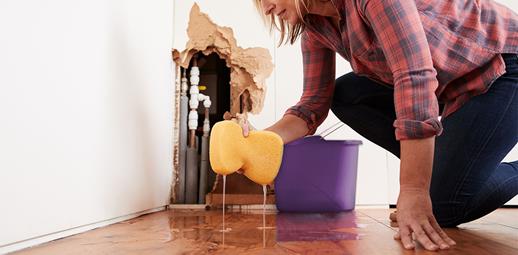
Preventing commercial water damage is far more cost-effective than dealing with the aftermath. Here are some best practices for minimizing risk:
- Regular Inspections: Schedule routine checks of plumbing, roofing, HVAC systems, and sprinkler lines. Look for signs of leaks, corrosion, or wear.
- Maintain Roofing and Gutters: Clear debris from gutters and downspouts to ensure proper drainage. Inspect roofing after storms and repair any damage promptly.
- Upgrade Plumbing Components: Replace aging pipes and fixtures with modern, durable materials. Install leak detection devices in vulnerable areas.
- Monitor Humidity and Ventilation: Use dehumidifiers and ensure adequate ventilation in basements, storage rooms, and mechanical spaces to prevent condensation.
- Educate Staff: Train employees to recognize early warning signs, such as water stains, musty odors, or unusual dampness, and to report issues immediately.
- Develop a Maintenance Schedule: Keep a detailed log of inspections, repairs, and upgrades to ensure nothing is overlooked.
For specific guidance on related areas, such as water damage in bathrooms or water damage in ceilings, consult our targeted resources.
Detecting the Early Signs of Moisture Problems
Early detection is crucial for limiting the impact of water-related incidents. Watch for these warning signs in your facility:
- Discoloration or bubbling paint on walls and ceilings
- Warped or buckling flooring
- Persistent musty smells, especially in enclosed spaces
- Visible mold growth or mildew patches
- Unexplained increases in water bills
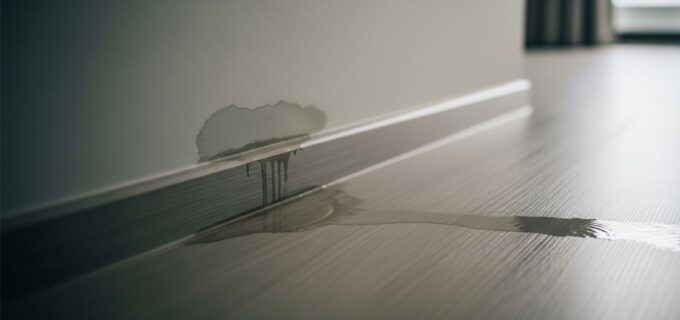
- Stains or wet spots around windows, doors, or baseboards
If you notice these indicators, act quickly to investigate and address the source. For hidden issues, such as leaks behind walls or under floors, our guides on water damage behind walls and water damage under floors offer step-by-step advice.
Effective Response Steps for Water Emergencies
Despite the best prevention efforts, emergencies can still occur. A swift and organized response can dramatically reduce damage and downtime. Follow these steps if you discover a water incident:
- Ensure Safety: Evacuate affected areas if there is a risk of electrical hazards or structural instability.
- Stop the Source: Shut off the main water supply or isolate the affected system to prevent further leakage.
- Document the Damage: Take photos and notes of all affected areas for insurance and restoration purposes.
- Contact Professionals: Engage licensed restoration experts to assess and mitigate the damage. They can also help with drying, mold remediation, and repairs.
- Notify Stakeholders: Inform building occupants, tenants, and your insurance provider about the incident and the steps being taken.
- Begin Cleanup: Remove standing water, dry out affected materials, and dispose of unsalvageable items as soon as possible.
Having a detailed emergency plan in place, including contact information for plumbers, electricians, and restoration companies, will help streamline your response.
Long-Term Solutions and Recovery Planning
After addressing the immediate crisis, focus on long-term recovery and prevention. This includes:
- Conducting a thorough post-incident inspection to identify underlying vulnerabilities
- Reviewing and updating your maintenance and emergency response plans
- Investing in waterproofing, improved drainage, or upgraded building systems as needed
- Training staff on updated protocols and lessons learned from the incident
- Maintaining open communication with tenants or employees about ongoing repairs and safety measures
Regularly reviewing your insurance coverage and understanding policy details can also help ensure you are adequately protected against future incidents.
Frequently Asked Questions
What are the most common sources of water issues in business properties?
The most frequent sources include roof leaks, plumbing failures, HVAC malfunctions, sprinkler system problems, and flooding from severe weather or drainage issues. Regular inspections and maintenance are key to minimizing these risks.
How can I detect hidden leaks or moisture problems?
Look for subtle signs such as unexplained increases in water bills, musty odors, discoloration on walls or ceilings, and warped flooring. For concealed leaks, consider using moisture meters or consulting professionals for a thorough assessment.
What immediate steps should I take if I discover water in my commercial building?
First, ensure the safety of all occupants by shutting off electricity if needed. Next, stop the water source, document the damage, and contact restoration professionals. Begin drying and cleanup as soon as possible to prevent mold and further deterioration.