
How to Prevent Costly Water Damage in Kitchens
· Ethan Williams
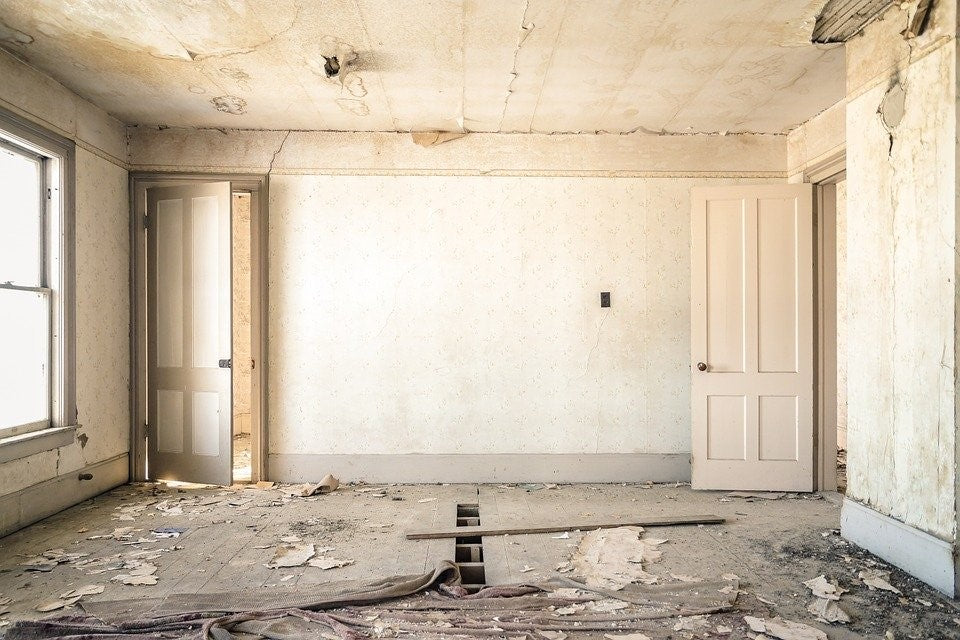
Kitchen spaces are among the most vulnerable areas in any home when it comes to water damage in kitchens. Leaks from appliances, plumbing failures, and unnoticed drips can quickly lead to expensive repairs, mold growth, and even structural issues. Taking proactive steps to minimize risk is essential for homeowners who want to protect their investment and maintain a safe, healthy environment.
Understanding the most common causes and warning signs of moisture problems can help you act before minor issues become major headaches. In this guide, you'll find practical strategies for prevention, early detection, and what to do if you suspect a problem. For those interested in learning about related issues in other parts of the home, you may also want to read about water damage in crawl spaces for a comprehensive approach to home maintenance.
Recognizing the Early Signs of Kitchen Moisture Problems
Spotting the warning signs of water damage in kitchens early can save you from extensive repairs and health hazards. Some indicators are obvious, while others are subtle and easy to overlook. Regularly inspecting your kitchen for these signs can help you catch problems before they escalate:
- Discoloration or staining on walls, ceilings, or cabinetry, especially near sinks or dishwashers.
- Warped or buckling flooring, particularly around appliances or plumbing fixtures.
- Musty odors that persist even after cleaning, which can indicate hidden mold or mildew.
- Peeling paint or wallpaper caused by excess moisture behind surfaces.
- Visible mold growth in corners, under sinks, or behind appliances.
For more information on identifying hidden issues, you can refer to resources like this guide to recognizing the signs of water damage.

Common Causes of Water Intrusion in the Kitchen
Understanding what leads to kitchen water damage is the first step in prevention. The most frequent culprits include:
- Leaking dishwashers: Faulty hoses, worn-out seals, or improper installation can cause slow leaks that go unnoticed for weeks.
- Refrigerator water lines: Ice makers and water dispensers often have supply lines that can crack or disconnect.
- Sink plumbing failures: Loose fittings, deteriorated pipes, or clogged drains may result in under-sink leaks.
- Damaged caulking or grout: Gaps around sinks, backsplashes, or countertops allow water to seep behind surfaces.
- Overflowing sinks or appliances: Accidental overflows or blockages can quickly flood kitchen floors.
By being aware of these risks, you can take targeted action to reduce the likelihood of costly repairs.
Essential Prevention Tips for Kitchen Water Damage
Proactive maintenance and smart habits are your best defense against water damage in kitchens. Here are some practical steps to help keep your kitchen dry and safe:
- Inspect appliances regularly: Check hoses, seals, and connections on dishwashers, refrigerators, and sinks for signs of wear or leaks. Replace any damaged parts promptly.
- Install water leak detectors: Place sensors under sinks, behind appliances, or near water supply lines. These devices alert you to leaks before they cause major damage.
- Maintain caulking and grout: Reapply caulk around sinks and backsplashes as needed to prevent water from seeping into cabinets or walls.
- Clean drains and traps: Regularly clear debris from sink drains and garbage disposals to prevent clogs and backups.
- Monitor water bills: An unexplained increase in water usage can signal a hidden leak. Investigate promptly if your bill spikes.
Taking these steps can significantly reduce your risk of expensive repairs and protect your kitchen for years to come.
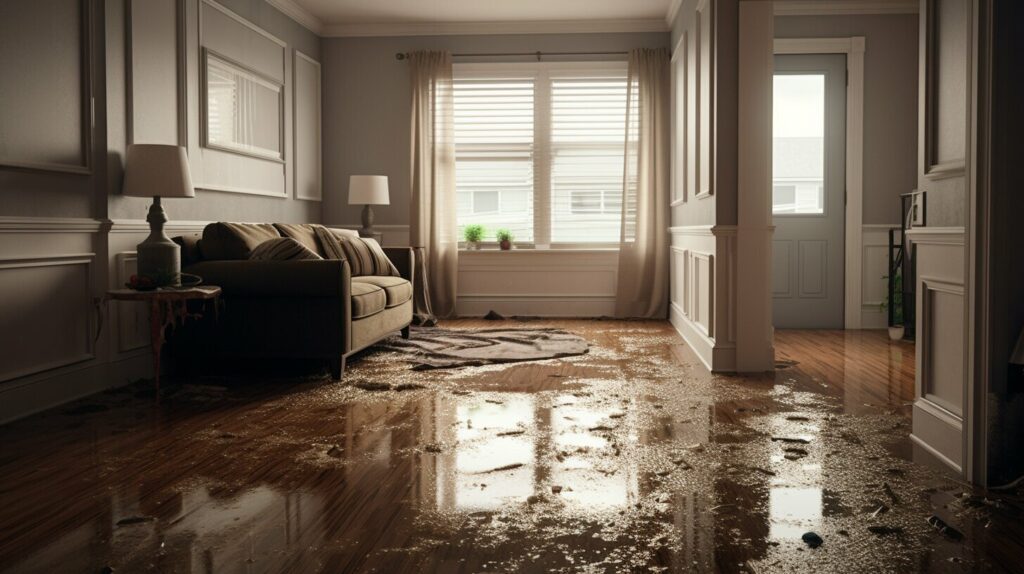
What to Do If You Discover Water Issues in Your Kitchen
If you notice any signs of moisture or leaks, acting quickly can limit the extent of the damage. Here’s what you should do:
- Shut off the water supply to the affected area to prevent further leakage.
- Remove standing water using towels, mops, or a wet/dry vacuum.
- Dry out the area with fans and dehumidifiers to minimize mold growth.
- Inspect for hidden damage in cabinets, behind walls, and under flooring. If you suspect extensive issues, consult a professional.
- Repair or replace damaged materials such as drywall, cabinetry, or flooring as needed.
For more tips on addressing issues in other parts of the home, you might find it helpful to read about water damage under floors or water damage in basements for a broader understanding of home maintenance.
Long-Term Strategies for Protecting Your Kitchen
Prevention is an ongoing process. In addition to regular inspections, consider these long-term strategies:
- Upgrade to braided steel supply lines for dishwashers and refrigerators, which are more durable than rubber hoses.
- Schedule annual plumbing inspections to catch small issues before they become major problems.
- Install shut-off valves for appliances and sinks, allowing you to quickly isolate leaks.
- Educate household members about the importance of reporting leaks or unusual odors immediately.
By making these improvements, you can further reduce the risk of water-related issues and extend the life of your kitchen fixtures and finishes.
Frequently Asked Questions
What are the most common sources of kitchen water leaks?
The most frequent sources include leaking dishwashers, refrigerator water lines, sink plumbing, and damaged caulking or grout. Regularly checking these areas can help you catch leaks early.
How can I tell if there is hidden water damage in my kitchen?
Look for signs like musty odors, warped flooring, peeling paint, or unexplained stains. If you suspect moisture behind walls or under floors, consider consulting a professional or using a moisture meter. For more detailed guidance, see our article on water damage behind walls.
Is it necessary to hire a professional for minor water issues?
For small, surface-level leaks, homeowners can often handle repairs themselves. However, if you notice extensive damage, mold growth, or persistent moisture, it's best to consult a licensed contractor or restoration specialist to ensure all issues are properly addressed.