
Water Damage in Apartments: Tenant & Landlord Guide
· Ethan Williams
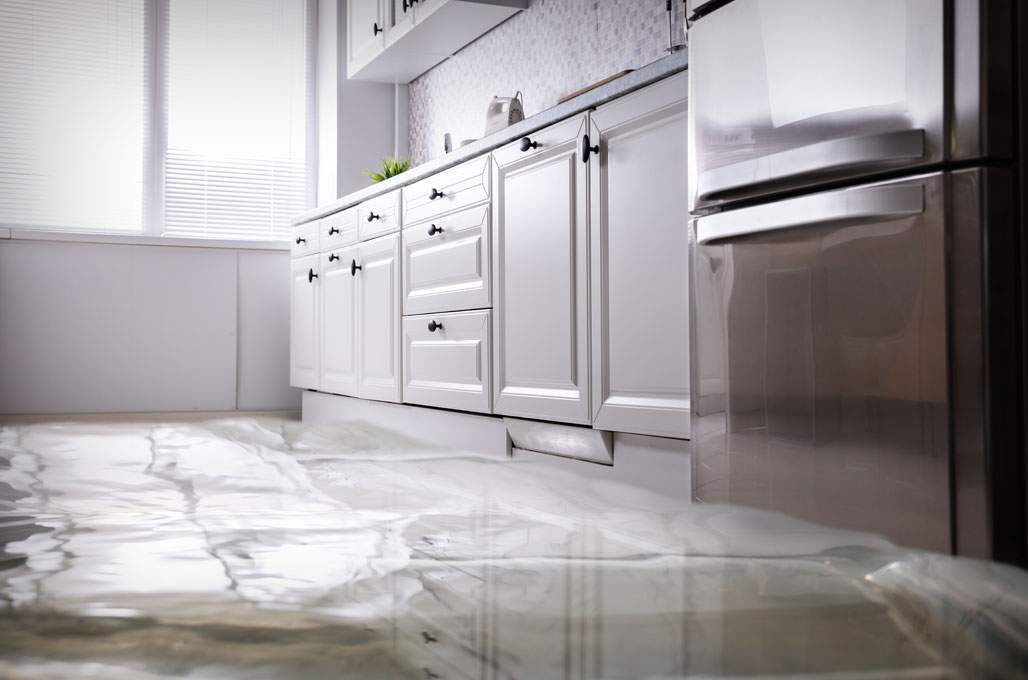
Water damage in apartments can disrupt daily life, create expensive repairs, and spark disputes between tenants and landlords. Whether it’s a leaking pipe, a faulty appliance, or a sudden flood, understanding your rights and responsibilities is crucial. Both renters and property owners need to know how to respond quickly, minimize losses, and prevent future incidents. This guide explains the most common causes, outlines what to do when water intrusion happens, and clarifies who is responsible for repairs and costs.
For those interested in related topics, you may also find valuable information in our article on water damage in commercial buildings, which covers prevention and response strategies for larger properties.
Common Causes of Water Intrusion in Rental Units
Understanding the typical sources of water damage in apartments helps tenants and landlords act fast and prevent further issues. Some of the most frequent culprits include:
- Leaking pipes or plumbing failures: Old or poorly maintained pipes can burst or leak, causing water to seep into walls, floors, and ceilings.
- Faulty appliances: Dishwashers, washing machines, and refrigerators with water lines can malfunction and flood surrounding areas.
- Roof leaks: Damaged roofing or clogged gutters can allow rainwater to enter the building, especially in upper-floor apartments.
- Overflowing bathtubs, sinks, or toilets: Accidental overflows or blockages can quickly cause water to spread to adjacent units.
- HVAC or water heater failures: Malfunctioning heating or cooling systems and water heaters may leak and cause significant property damage.
For a deeper look at the root causes, see this comprehensive overview of water damage sources.
Immediate Steps to Take After Discovering Water Issues
When water intrusion is detected, acting quickly can limit the extent of the damage and protect your belongings. Here’s what tenants and landlords should do right away:
- Stop the source: Turn off the main water supply if possible, or shut off the affected appliance or fixture.
- Document the damage: Take clear photos and videos of all affected areas and items. This evidence is essential for insurance claims and resolving disputes.
- Notify the other party: Tenants should contact their landlord or property manager immediately. Landlords should respond promptly and keep communication open.
- Remove valuables: Move furniture, electronics, and personal items away from wet areas to prevent further loss.
- Begin drying: Use fans, open windows, and mop up standing water if it’s safe to do so. Professional restoration may be needed for larger incidents.
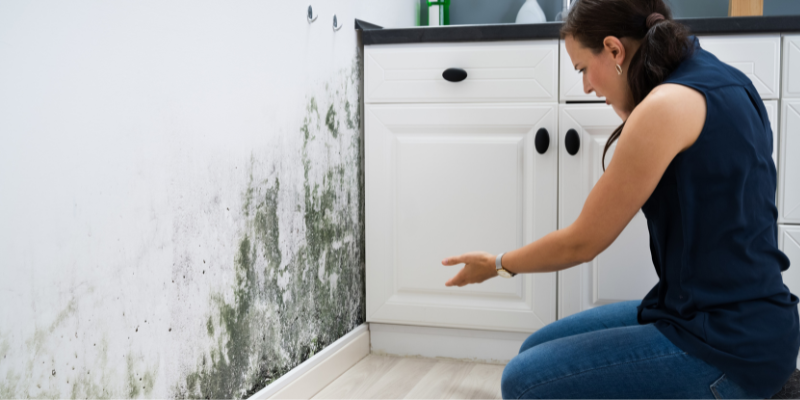
Quick action not only reduces repair costs but also helps prevent mold growth, which can start within 24–48 hours after exposure to moisture.
Determining Responsibility: Tenant vs. Landlord
One of the most common questions after water damage in apartments is who pays for repairs and replacements. The answer depends on the cause of the problem and the terms of the lease agreement.
| Scenario | Who Is Responsible? |
|---|---|
| Plumbing failure due to old pipes | Landlord (maintenance issue) |
| Appliance leak from tenant-owned washer | Tenant (personal property issue) |
| Overflow from tenant’s bathtub | Tenant (accidental damage) |
| Roof leak from storm damage | Landlord (structural repair) |
| Negligence by another tenant | Responsible tenant (may be liable to others) |
In general, landlords are responsible for maintaining the building’s structure, plumbing, and provided appliances. Tenants are usually liable for damage caused by their own actions, negligence, or personal property. Always review your lease and local laws for specifics.
Insurance and Filing Claims for Apartment Water Issues
Insurance can help cover the costs of repairs and replacements, but coverage varies depending on the policy and the cause of the water intrusion. Here’s what both parties should know:
- Renter’s insurance: Protects a tenant’s personal belongings from covered events, such as accidental overflows or certain types of leaks. It does not cover the building itself.
- Landlord’s insurance: Covers the structure, fixtures, and sometimes appliances provided with the unit. It typically excludes tenant-owned property.
- Flood insurance: Standard policies often exclude flooding from natural disasters. Separate flood insurance may be needed in high-risk areas.
Both tenants and landlords should contact their insurance providers as soon as possible after an incident. Provide documentation, photos, and a detailed description of the event to support your claim.
Prevention Tips for Tenants and Property Owners
Proactive steps can help avoid costly water damage in apartments. Here are some practical prevention strategies for both parties:
For Landlords and Property Managers
- Schedule regular inspections of plumbing, roofing, and appliances.
- Respond promptly to maintenance requests and reported leaks.
- Install water detection alarms in high-risk areas like basements and laundry rooms.
- Keep gutters and downspouts clear to prevent roof leaks.
- Educate tenants on emergency procedures and contact information.
For Renters
- Report leaks, drips, or signs of moisture immediately to the landlord.
- Use appliances according to manufacturer instructions and avoid overloading washing machines or dishwashers.
- Do not block air vents or cover up signs of water stains or mold.
- Purchase renter’s insurance to protect personal belongings.
- Know where the main water shutoff valve is located in case of emergency.
Preventing water-related incidents is a shared responsibility. Open communication and regular maintenance are key to reducing risks.
Dealing with Mold and Long-Term Effects
Unchecked moisture can quickly lead to mold growth, which poses health risks and can cause further damage. If you notice musty odors, visible mold, or persistent dampness, take action immediately:
- Notify the landlord or property manager right away.
- Do not attempt to clean large mold infestations yourself; professional remediation may be required.
- Address the underlying water issue to prevent recurrence.
- Document all communications and keep records of repairs and inspections.
For more on specific areas of concern, see our guides on water damage in bathrooms and water damage in kitchens, which offer targeted advice for these high-risk spaces.
Frequently Asked Questions
Who pays for repairs when water damage occurs in a rental apartment?
Responsibility depends on the cause. Landlords typically handle repairs due to building maintenance issues, while tenants are liable for damage caused by their own actions or negligence. Review your lease and local regulations for details.
What should I do if my belongings are damaged by a neighbor’s leak?
Document the damage, notify your landlord, and contact your renter’s insurance provider. You may also seek compensation from the responsible tenant, but insurance is usually the fastest route for reimbursement.
How long does a landlord have to fix water leaks?
Most local laws require landlords to address urgent repairs, such as water leaks, within a reasonable timeframe—often 24 to 48 hours. Prompt action is important to prevent further damage and health hazards.
Conclusion
Managing water damage in apartments requires quick action, clear communication, and an understanding of each party’s obligations. By knowing the common causes, immediate steps to take, and how to prevent future incidents, both tenants and landlords can protect their property and avoid costly disputes. Regular maintenance, prompt reporting, and proper insurance coverage are essential tools for minimizing the impact of water-related emergencies in rental properties.