
The Ultimate Water Damage Moisture Meter Guide for Pros
· Ethan Williams
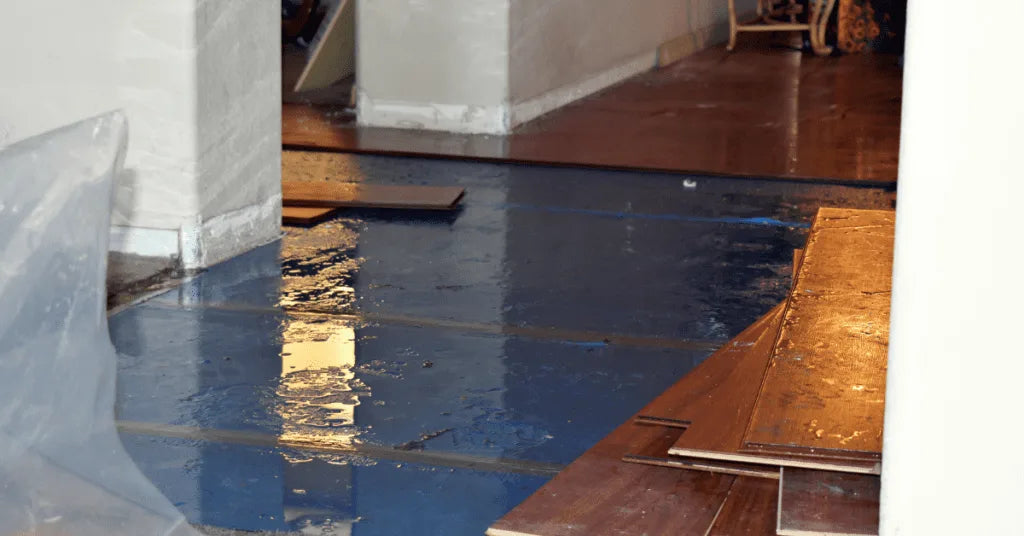
When it comes to identifying and addressing water intrusion in buildings, professionals rely on specialized tools to ensure accuracy and efficiency. One of the most essential instruments in this field is the water damage moisture meter. This guide provides a comprehensive overview of how these meters work, the different types available, and best practices for using them to detect and manage excess moisture in structures.
Understanding how to properly use moisture detection tools can make the difference between a successful restoration and ongoing property issues. For a deeper look at the restoration process, see how water damage restoration works for a behind-the-scenes perspective on professional remediation.
Why Accurate Moisture Measurement Matters
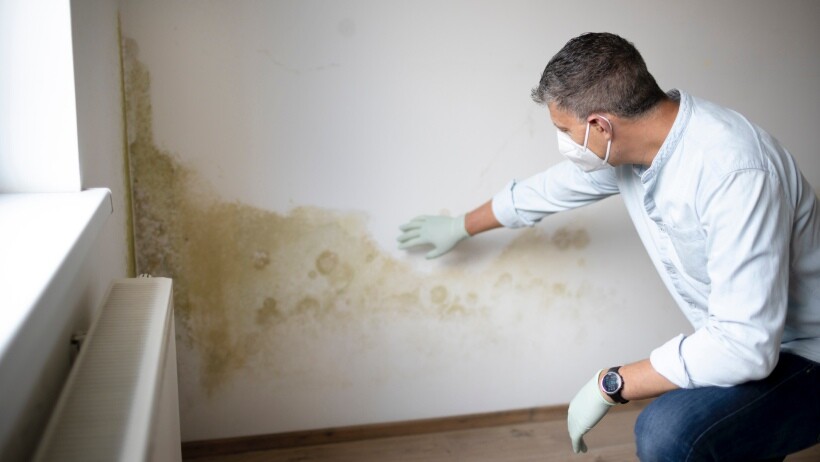
Water damage can be deceptive. While visible signs like stains, peeling paint, or warped flooring are easy to spot, hidden moisture often lurks beneath the surface. If left undetected, this can lead to structural deterioration, persistent odors, and even mold growth. Using a moisture meter allows professionals to:
- Pinpoint the exact location and extent of water intrusion
- Monitor drying progress during restoration
- Prevent secondary damage and health hazards
- Document moisture levels for insurance and compliance
For more on advanced detection, explore water damage moisture detection methods used by industry experts.
Types of Moisture Meters Used in Water Damage Restoration
There are several types of meters designed to measure moisture in building materials. Each has its strengths and ideal use cases. Understanding the differences helps professionals select the right tool for each job.
Pin-Type Moisture Meters
Pin-type meters use two metal probes that are inserted into the material being tested. They measure electrical resistance between the pins, which changes with moisture content. These meters are highly accurate for determining the moisture level at a specific depth, making them ideal for wood, drywall, and plaster. However, they do leave small holes, which may not be suitable for finished surfaces.
Pinless (Non-Invasive) Moisture Meters
Pinless meters use electromagnetic sensors to scan for moisture without penetrating the surface. They are fast, non-destructive, and excellent for quickly surveying large areas. While they provide a general reading, they may not be as precise for pinpointing moisture deep within thick materials.
All-in-One and Specialty Meters
Some advanced devices combine both pin and pinless technologies, offering flexibility for various scenarios. There are also meters designed specifically for concrete, masonry, or flooring, which can be crucial for specialized restoration projects.
Key Features to Look for in a Professional Moisture Meter
Choosing the right meter is about more than just price. Restoration professionals should consider several important features to ensure reliable results:
- Measurement Range: The device should cover the moisture levels expected in building materials, from dry to saturated.
- Accuracy and Calibration: Look for meters with a reputation for precision and easy calibration to maintain consistency.
- Material Settings: Some meters allow users to select the type of material (wood, drywall, concrete) for more accurate readings.
- Data Logging: Advanced models can store readings, which is useful for tracking drying progress and creating reports.
- Display and Interface: Clear, backlit screens and intuitive controls make the meter easier to use in various environments.
- Durability: Restoration work can be tough, so a rugged, water-resistant design is a plus.
How to Use a Moisture Meter for Water Damage Assessment
Proper technique is crucial for getting accurate readings. Here’s a step-by-step approach for using these devices in the field:
- Inspect Visually First: Look for visible signs of water damage, such as discoloration, swelling, or mold.
- Select the Right Meter: Choose pin or pinless based on the surface and depth you need to measure.
- Calibrate the Device: Follow the manufacturer’s instructions to ensure accuracy before each use.
- Test Multiple Locations: Take readings at several points, including both affected and unaffected areas, to establish a baseline.
- Record and Compare: Document results and compare them to standard moisture levels for the material in question.
- Monitor Over Time: During drying, continue to check moisture levels to verify progress and avoid premature restoration steps.
For a detailed breakdown of remediation procedures, see the water damage restoration steps professionals follow to ensure a safe and thorough recovery.
Common Applications for Moisture Detection Tools
Moisture meters are used in a variety of scenarios, including:
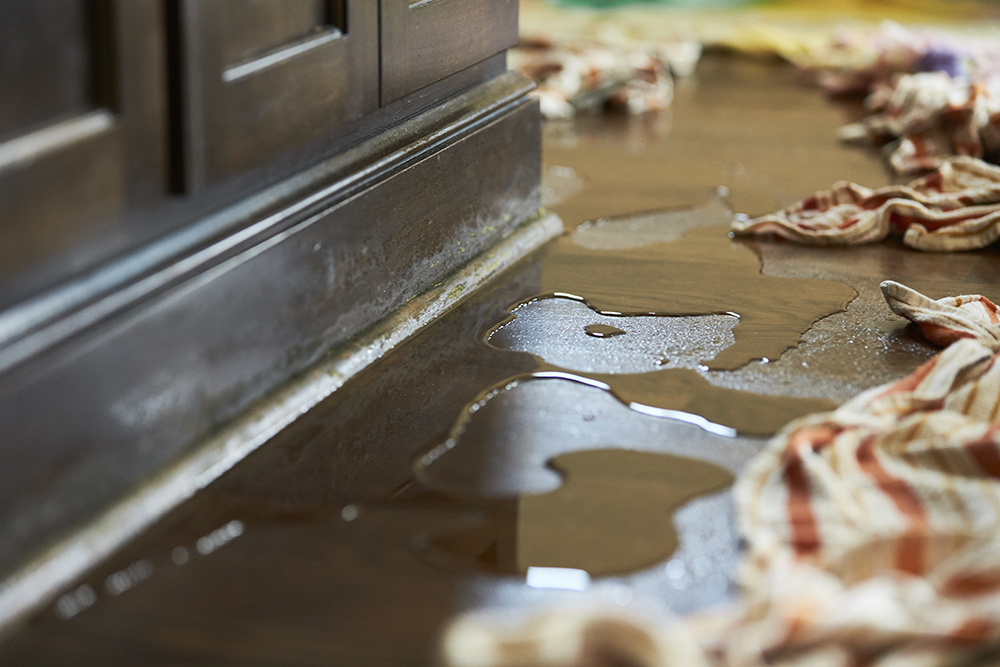
- Assessing flood or leak damage in homes and commercial buildings
- Checking for hidden moisture after plumbing failures or appliance leaks
- Verifying dryness before installing new flooring or drywall
- Monitoring progress during water extraction and drying
- Supporting insurance claims with documented readings
For more on how thermal imaging and other advanced tools complement moisture meters, read about water damage infrared inspection and its benefits for restoration professionals.
Recognizing the Signs of Water Damage
While meters provide objective data, it’s important to recognize the visual and structural signs of moisture problems. These may include:
- Staining or discoloration on walls and ceilings
- Peeling paint or wallpaper
- Musty odors
- Warped or buckling floors
- Mold growth
For a visual reference and more details, check out this guide to identifying water damage in buildings.
Best Practices for Pros Using Moisture Meters
To get the most from your water damage moisture meter, follow these industry best practices:
- Always calibrate your device before use and after battery changes.
- Document readings with photos and notes for insurance and compliance.
- Use both pin and pinless meters when possible to cross-check results.
- Test both affected and unaffected areas to establish a baseline.
- Be aware of temperature and humidity, as these can affect readings.
- Keep your device clean and store it in a protective case.
For specific guidance on dealing with moisture in bathrooms, see advice on water damage in bathrooms and how to address these tricky spaces.
FAQ: Moisture Meters and Water Damage Restoration
How do I know which type of moisture meter to use?
Pin-type meters are best for precise, in-depth readings in wood and drywall, while pinless meters are ideal for quick, non-destructive surveys of large areas. Many professionals carry both to cover all scenarios.
Can a moisture meter detect mold?
While a meter does not directly detect mold, it identifies areas with elevated moisture—a key factor for mold growth. Early detection of moisture allows for proactive remediation before mold becomes a problem.
How often should I calibrate my moisture meter?
Calibration should be performed before each use, after battery changes, or if the device has been dropped or exposed to extreme conditions. Regular calibration ensures accurate and reliable results.
What are normal moisture levels in building materials?
Acceptable moisture levels vary by material. For wood, 6–16% is typical, while drywall should read below 1%. Always refer to the manufacturer’s guidelines and industry standards for reference values.
Is it necessary to document moisture readings?
Yes, documentation is crucial for tracking drying progress, supporting insurance claims, and ensuring compliance with industry standards. Many advanced meters offer data logging features for this purpose.
Using the right moisture detection tools and following best practices ensures that restoration professionals can confidently assess, monitor, and resolve water damage, protecting both property and occupant health.