
The Water Extraction Process Explained: Equipment & Steps
· Ethan Williams
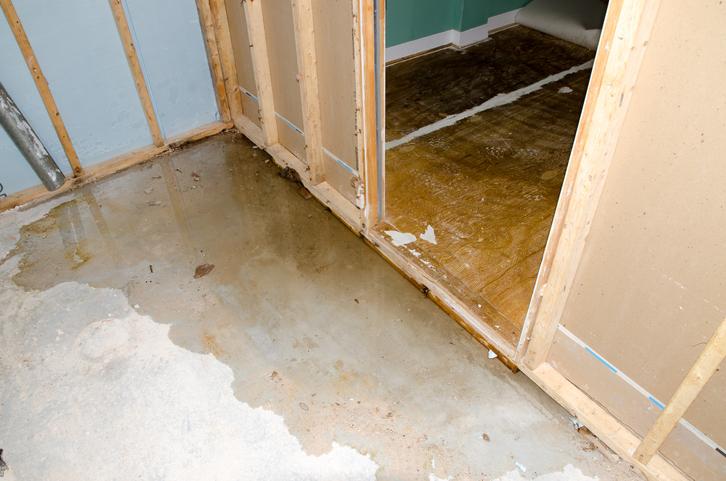
When water damage strikes, understanding the water extraction process explained can make a significant difference in how quickly and effectively a property recovers. Whether caused by flooding, burst pipes, or leaks, excess water can lead to structural issues, mold growth, and costly repairs if not addressed promptly. This guide breaks down the essential steps, specialized equipment, and best practices professionals use to remove water and restore affected areas safely.
For those interested in a deeper look at the restoration industry, you can explore the how water damage restoration works article for a comprehensive overview of the entire recovery process.
Why Fast Water Removal Matters
Speed is crucial when dealing with water damage. The longer moisture remains, the greater the risk of structural deterioration and microbial growth. Quick action helps minimize secondary damage, reduce restoration costs, and prevent health hazards. The water extraction process is designed to address these concerns efficiently, using a combination of assessment, specialized tools, and proven techniques.
Initial Assessment and Safety Precautions
Before any water removal begins, professionals conduct a thorough assessment of the affected area. This includes identifying the source of water, classifying the type of water (clean, gray, or black), and evaluating the extent of the damage. Safety is always a top priority, so technicians will:
- Shut off electricity to impacted zones if necessary
- Check for structural hazards, such as sagging ceilings or weakened floors
- Wear appropriate personal protective equipment (PPE)
Accurate assessment ensures the right approach and equipment are used for each unique situation. For more on identifying the severity of water damage, see this guide on distinguishing new versus old water damage.
Essential Equipment Used in Water Extraction
Modern water removal relies on a range of high-performance tools. Here are some of the most common pieces of equipment used by restoration professionals:
- Submersible Pumps: These are ideal for removing large volumes of standing water quickly, especially in basements or crawl spaces.
- Truck-Mounted and Portable Extractors: These powerful vacuums pull water from carpets, floors, and upholstery. Truck-mounted units are used for major jobs, while portable extractors are suitable for smaller or hard-to-reach areas.
- Wet/Dry Vacuums: Useful for minor spills or localized flooding, these are sometimes used in residential settings.
- Moisture Meters and Infrared Cameras: These tools help detect hidden moisture behind walls, under floors, or inside ceilings, ensuring no water is left behind. For a technical breakdown, check out the water damage moisture meter guide and water damage infrared inspection resources.
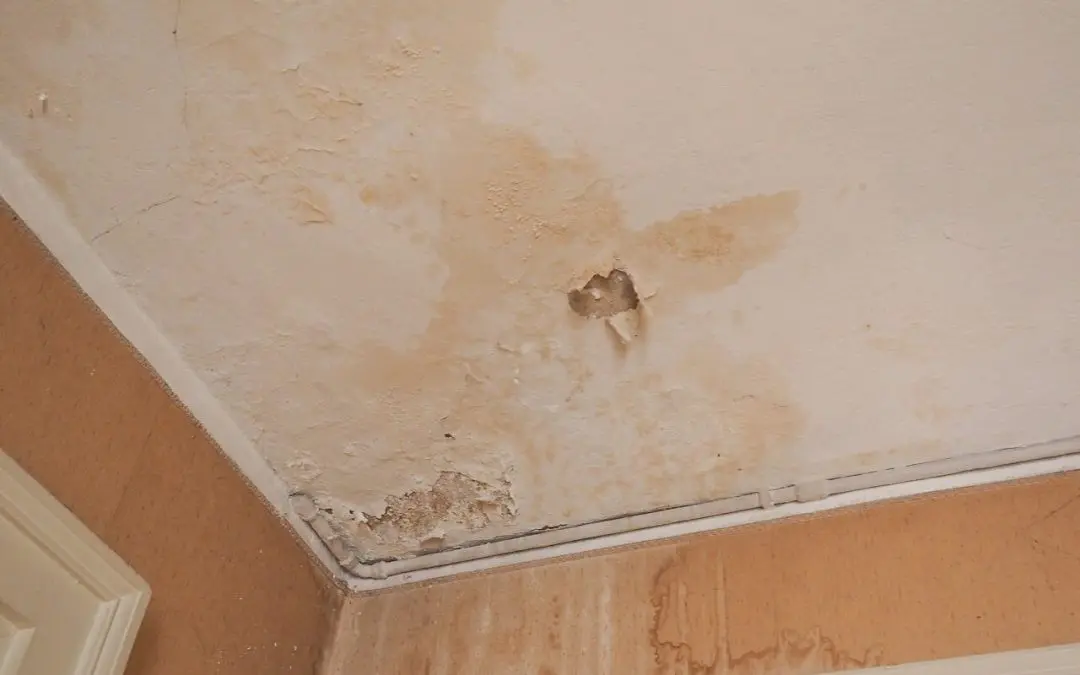
Step-by-Step Breakdown of the Water Extraction Procedure
The water extraction process explained step-by-step helps clarify what to expect during professional intervention:
1. Stopping the Source
The first priority is to halt the flow of water. This may involve shutting off the main water supply, repairing broken pipes, or addressing leaks. Without stopping the source, any extraction efforts will be ineffective.
2. Removing Standing Water
Once the area is secure, technicians use pumps and extractors to remove visible water. This step is critical for preventing further absorption into building materials and furnishings.
3. Salvaging and Sorting Contents
Personal belongings, furniture, and valuables are assessed and moved to a dry location. Items are sorted into those that can be saved and those that must be discarded due to contamination or irreparable damage.
4. Moisture Detection and Mapping
After visible water is gone, hidden moisture remains a threat. Professionals use moisture meters and thermal imaging to map out damp areas behind walls, under floors, and inside ceilings. This ensures no pockets of water are missed, which could otherwise lead to mold growth.
5. Drying and Dehumidification
Industrial air movers and dehumidifiers are set up to accelerate evaporation and pull moisture from the air and materials. This phase can take several days, depending on the severity of the damage and environmental conditions.

6. Cleaning and Sanitizing
Water damage often brings contaminants, especially if the source is gray or black water. Technicians use antimicrobial treatments and specialized cleaning agents to disinfect surfaces and prevent odors or health risks.
7. Monitoring and Final Inspection
Throughout the drying process, moisture levels are regularly checked. Only when readings confirm that all affected materials are dry and safe does the job move to the final inspection. This ensures the property is ready for repairs and restoration.
Professional Techniques for Thorough Water Removal
Professionals follow industry standards and use advanced techniques to ensure effective water removal. Some of these include:
- Strategic placement of air movers to create optimal airflow patterns
- Use of desiccant dehumidifiers for large commercial losses
- Application of HEPA filtration to improve air quality during drying
- Continuous monitoring and adjustment of equipment based on real-time moisture readings
For a detailed look at the restoration phase after extraction, see the water damage restoration steps guide.
Common Challenges in the Water Extraction Process
While the steps are well-defined, several challenges can complicate the process:
- Hidden Water: Moisture trapped in insulation, behind baseboards, or under flooring can be difficult to detect without specialized tools.
- Contaminated Water: Sewage or floodwater requires extra precautions and more extensive cleaning.
- Delayed Response: Waiting too long to start extraction increases the risk of mold and structural damage.
- Material Sensitivity: Hardwood, drywall, and other materials respond differently to moisture and may require tailored drying approaches.
Preventing Future Water Damage
Once the immediate crisis is resolved, prevention becomes the focus. Homeowners and property managers should:
- Regularly inspect plumbing and roofing for leaks
- Install water detection alarms in vulnerable areas
- Maintain gutters and downspouts to direct water away from the foundation
- Act quickly at the first sign of moisture or leaks
Staying proactive reduces the likelihood of repeat incidents and helps protect your investment.
FAQ: Water Extraction and Restoration
How long does the water removal process take?
The duration depends on the extent of the damage and the amount of water involved. Minor incidents may be resolved in a day, while severe flooding can require several days for complete drying and dehumidification.
Can I perform water extraction myself?
For small spills, DIY methods like wet/dry vacuums may suffice. However, for significant water damage or contaminated water, professional intervention is recommended to ensure thorough drying and prevent mold growth.
What are the signs that water is still present after extraction?
Persistent musty odors, discoloration, or dampness on walls and floors indicate lingering moisture. Professionals use moisture meters and thermal cameras to confirm that all hidden water has been removed.
Conclusion
Understanding the water extraction process explained in this guide can help property owners respond effectively to water emergencies. By recognizing the importance of prompt action, the right equipment, and professional techniques, you can minimize damage and speed up recovery. For those seeking more technical insights, resources like the water damage moisture detection methods article offer valuable information on advanced detection and monitoring tools.