
Drying Out a Water Damaged Home: Steps for Homeowners
· Ethan Williams

When water invades your living space, acting quickly is essential to prevent further destruction and costly repairs. Drying out a water damaged home requires a clear plan, the right tools, and a focus on safety. Whether the water comes from a burst pipe, heavy rain, or an appliance leak, knowing the right steps can help you restore your property and protect your family’s health.
This guide walks you through the practical process of removing moisture, salvaging belongings, and minimizing long-term risks like mold and structural damage. If you want to learn more about advanced moisture detection, check out our water damage moisture meter guide for professionals and homeowners alike.
Why Immediate Action Matters After Water Damage
Water can seep into floors, walls, and hidden cavities within minutes. The longer moisture lingers, the greater the risk of warped materials, electrical hazards, and mold growth. Acting fast not only protects your home’s structure but also helps preserve personal belongings and reduces restoration costs.
Prompt intervention is especially important for porous materials like drywall, insulation, and carpeting. These materials can trap moisture, making it harder to dry them out completely. In some cases, water damage may not be obvious at first. For tips on spotting hidden problems, see this guide to detecting hidden water damage signs.
Initial Steps for Drying Out a Water Damaged Home
Before you begin the drying process, prioritize safety. Turn off electricity in affected areas if water is near outlets or wiring. Wear protective gear such as gloves, boots, and masks to avoid exposure to contaminants, especially if the water is from a flood or sewage backup.
- Stop the Source: Identify and halt the source of water, whether it’s a leaking pipe, overflowing appliance, or roof leak.
- Remove Standing Water: Use pumps, wet/dry vacuums, or buckets to extract as much water as possible. The faster you remove standing water, the less damage will occur.
- Move Belongings: Relocate furniture, rugs, and valuables to a dry area. Place aluminum foil or wood blocks under furniture legs to prevent staining and further absorption.
- Document Damage: Take photos and notes for insurance purposes before discarding anything. This documentation can be crucial for claims and restoration planning.
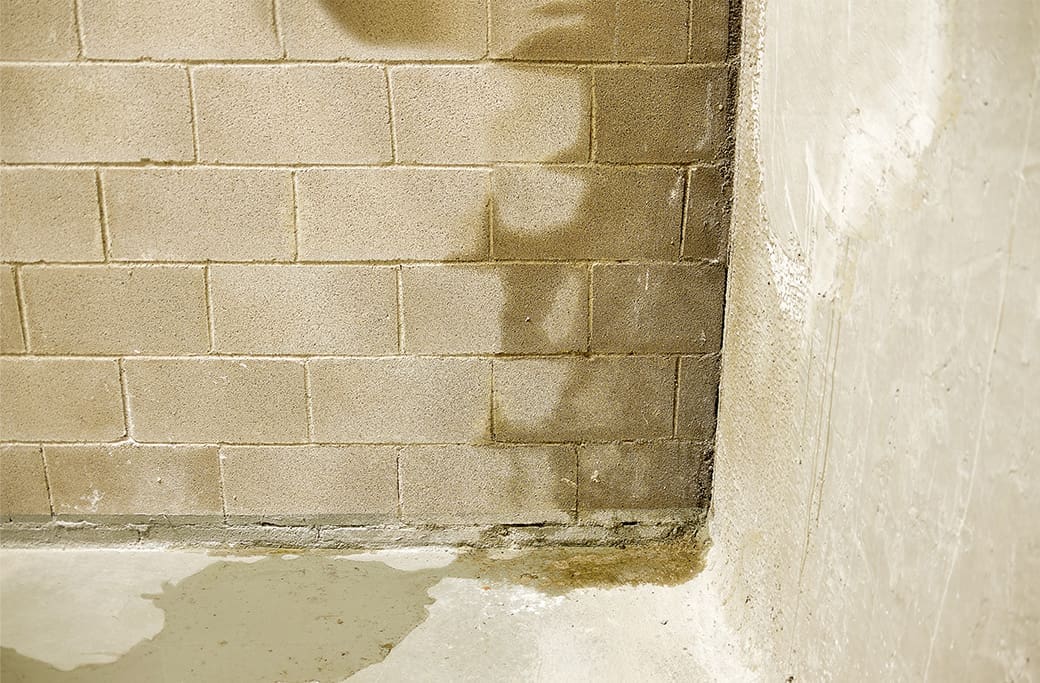
Effective Techniques for Moisture Removal
Once standing water is gone, the focus shifts to removing moisture from the air and building materials. Here are proven methods for drying out water-damaged interiors:
- Ventilation: Open windows and doors to promote airflow. Use fans to circulate air, aiming them toward damp areas.
- Dehumidification: Deploy dehumidifiers to pull moisture from the air, especially in enclosed spaces or humid climates. For more on this, see our article on dehumidification after water damage.
- Remove Wet Materials: Take out soaked carpets, padding, insulation, and drywall that cannot be thoroughly dried. These materials can harbor mold if left damp.
- Monitor Progress: Use moisture meters to track drying progress in walls, floors, and subfloors. This helps ensure all hidden moisture is addressed.

Preventing Mold and Secondary Damage
One of the biggest threats after a water incident is mold. Mold can begin to grow within 24–48 hours in damp environments. To prevent this:
- Keep humidity below 50% using dehumidifiers and air conditioning.
- Clean and disinfect all surfaces that came into contact with water, especially if the source was contaminated.
- Inspect hidden areas, such as behind baseboards and inside wall cavities, for lingering moisture.
- Continue monitoring for musty odors or discoloration, which can signal mold growth.
If you suspect mold or notice persistent dampness, it may be time to consult a professional restoration company. For a detailed look at the full remediation process, our guide to water damage restoration steps covers what to expect from start to finish.
When to Call in the Experts
While many minor water incidents can be handled by homeowners, some situations require professional intervention. Consider hiring specialists if:
- The affected area is larger than 100 square feet.
- Water has soaked into structural components or electrical systems.
- The source was contaminated (sewage, floodwater, etc.).
- Mold is visible or suspected.
Professionals use advanced tools like thermal imaging and industrial-grade drying equipment to ensure all moisture is eliminated. For more on high-tech detection, see our article on water damage infrared inspection.
Tips for Salvaging and Restoring Your Home
After the initial drying process, focus on restoring your home and belongings:
- Wash and disinfect salvageable items, especially textiles and kitchenware.
- Replace materials that cannot be dried or cleaned thoroughly.
- Repaint and refinish surfaces only after they are completely dry to prevent peeling and mold.
- Review your insurance policy and work with adjusters to document repairs and replacements.
Regularly inspect your home for signs of lingering moisture or new leaks, especially in basements, crawl spaces, and attics. Ongoing vigilance is key to preventing future problems.
Frequently Asked Questions
How long does it take to dry out a water-damaged house?
The drying process can take anywhere from 2 days to over a week, depending on the extent of the damage, the materials affected, and the methods used. Using fans, dehumidifiers, and proper ventilation can speed up the process. Monitoring with moisture meters ensures that all areas are thoroughly dried before repairs begin.
Can I prevent mold after water damage without professional help?
It is possible to prevent mold if you act quickly, remove all standing water, dry affected areas thoroughly, and keep humidity low. However, if water has penetrated walls, insulation, or flooring, or if you notice musty odors, it’s best to consult a professional for a thorough assessment.
What should I throw away after water damage?
Porous materials like carpets, padding, insulation, and drywall that have been soaked for more than a few hours are usually best discarded, as they can harbor mold and bacteria. Non-porous items (metal, glass, hard plastics) can often be cleaned and disinfected. Always follow local guidelines for disposal, especially for contaminated items.