
Average Water Damage Restoration Costs & Budgeting Guide
· Ethan Williams
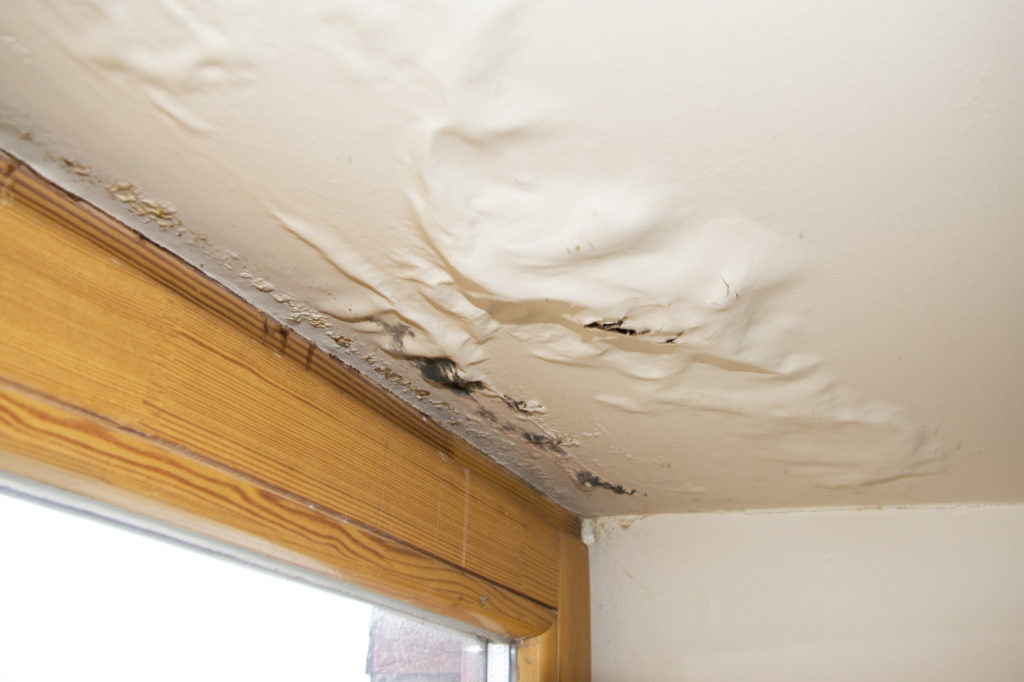
Dealing with water damage in your home or business can be overwhelming, especially when it comes to understanding the financial impact. Knowing what to expect in terms of water damage restoration costs helps you plan, budget, and make informed decisions during a stressful time. This guide breaks down typical expenses, explains the factors that influence pricing, and offers practical advice for managing your restoration budget.
Whether you’re facing a minor leak or a major flood, it’s crucial to act quickly and understand the restoration process. For a detailed look at how long each step might take, check out the water damage restoration timeline for a comprehensive overview.
What Influences Water Damage Restoration Costs?
The price of restoring a water-damaged property can vary widely. Several factors come into play, each affecting the final bill. Here are the main elements that influence what you’ll pay:
- Type and Extent of Damage: Clean water from a broken pipe is less costly to address than contaminated water from sewage or flooding. The more extensive the damage, the higher the restoration expense.
- Size of the Affected Area: Larger spaces or multiple rooms require more labor, equipment, and materials, increasing the overall cost.
- Source of Water: Water is classified into categories (clean, gray, black) based on contamination. Black water (sewage or floodwater) is the most expensive to remediate due to health risks and extra precautions.
- Materials Impacted: Hardwood floors, drywall, insulation, and carpeting each require different restoration approaches and costs.
- Time to Response: The sooner you start the cleanup, the less likely mold and structural issues will develop, keeping costs down.
- Local Labor Rates: Costs can differ depending on your region and the availability of qualified restoration professionals.

Typical Price Ranges for Restoration Services
Understanding the average price ranges for water damage repair can help you budget effectively. Here’s what you can generally expect:
| Service | Average Cost Range |
|---|---|
| Water extraction & removal | $500 – $3,000 |
| Drying & dehumidification | $800 – $4,000 |
| Carpet & upholstery cleaning | $200 – $1,000 |
| Mold remediation | $500 – $6,000 |
| Structural repairs | $1,000 – $10,000+ |
| Full restoration (major flood) | $10,000 – $30,000+ |
These figures are averages. Your final bill could be higher or lower depending on the specifics of your situation. For a deeper dive into the water extraction process explained, you can learn about the equipment and steps involved.
Breakdown of Key Restoration Steps
Water damage recovery typically involves several phases, each with its own associated costs. Here’s a closer look at what’s involved:
- Inspection & Assessment: Professionals evaluate the extent of the damage and develop a restoration plan. This step may cost $200–$500, but some companies include it in the total service fee.
- Water Removal: Using pumps and vacuums, technicians extract standing water. The cost depends on the volume of water and area affected.
- Drying & Dehumidification: Specialized equipment dries out walls, floors, and furniture to prevent mold growth. This phase can take several days.
- Cleaning & Sanitizing: All affected surfaces are cleaned and disinfected. Items like carpets and upholstery may require deep cleaning or replacement.
- Repairs & Restoration: Damaged drywall, flooring, and other materials are repaired or replaced. This is often the most expensive part of the process.
For more on the best tools for the job, see the guide on industrial fans for water damage restoration and how they speed up drying times.
Cost-Saving Tips for Water Damage Restoration
While some expenses are unavoidable, there are ways to manage your restoration budget and avoid unnecessary costs:
- Act Quickly: The faster you address water damage, the less likely you’ll face mold or structural repairs, which are more expensive.
- Document Everything: Take photos and keep records for insurance claims. This can help maximize your reimbursement.
- Get Multiple Quotes: Compare estimates from several reputable restoration companies to ensure you’re getting a fair price.
- Check Insurance Coverage: Review your policy to see what types of water damage are covered. Some policies exclude flood or sewer backup damage.
- Do What You Can Safely: Remove valuables and start drying out the area if it’s safe, but leave major work to professionals.
For step-by-step advice on drying your home, read about drying out a water damaged home and what homeowners can do immediately after an incident.

Hidden Expenses and What to Watch Out For
Sometimes, the initial estimate doesn’t cover all the costs you’ll face. Here are some common hidden expenses to be aware of:
- Mold Remediation: If mold is found during restoration, additional work and costs will be required.
- Electrical and Plumbing Repairs: Water can damage wiring and pipes, leading to extra repairs.
- Structural Issues: Prolonged exposure to moisture can weaken foundations and framing, requiring more extensive repairs.
- Temporary Housing: If your home is uninhabitable during restoration, you may need to budget for alternative accommodations.
Spotting water damage early can help you avoid some of these costs. For more information, see this guide to identifying water damage in buildings.
How to Budget for Water Damage Repairs
Planning ahead can make the financial side of restoration less stressful. Here’s how to prepare your budget:
- Set Aside Emergency Funds: If you live in a flood-prone area, having a reserve for unexpected repairs is wise.
- Understand Your Policy: Know what your insurance covers and what it doesn’t, so you’re not caught off guard.
- Prioritize Repairs: Address the most urgent issues first, such as water removal and drying, before moving on to cosmetic repairs.
- Ask About Payment Plans: Some restoration companies offer financing or payment options to help manage large bills.
Advanced techniques can sometimes reduce costs and speed up recovery. Learn more about water removal techniques that professionals use to restore homes efficiently.
Frequently Asked Questions
How quickly should I start water damage restoration?
It’s best to begin restoration as soon as possible—ideally within the first 24–48 hours. Quick action helps prevent mold growth and reduces the risk of structural damage, which can significantly increase costs.
Does homeowner’s insurance cover water damage restoration?
Coverage depends on the cause of the water damage and your specific policy. Most standard policies cover sudden and accidental damage (like a burst pipe), but may exclude flooding or gradual leaks. Always check your policy details and consult your insurer.
Can I do water damage repairs myself to save money?
Minor water issues, such as small leaks, can sometimes be handled by homeowners. However, significant water damage, especially involving contaminated water or structural repairs, should be left to professionals to ensure safety and thorough restoration.
How can I spot hidden water damage before it becomes a big problem?
Look for signs like musty odors, discoloration on walls or ceilings, peeling paint, or warped flooring. Regular inspections and prompt attention to leaks can help you catch issues early and avoid higher restoration costs.
Conclusion
Understanding the factors that affect water damage restoration costs can help you budget more effectively and avoid surprises. By acting quickly, documenting the damage, and working with reputable professionals, you can minimize expenses and restore your property safely. Stay informed, review your insurance coverage, and don’t hesitate to seek expert help when needed.