
Water Damage Restoration for Homeowners: The Complete Guide
· Ethan Williams
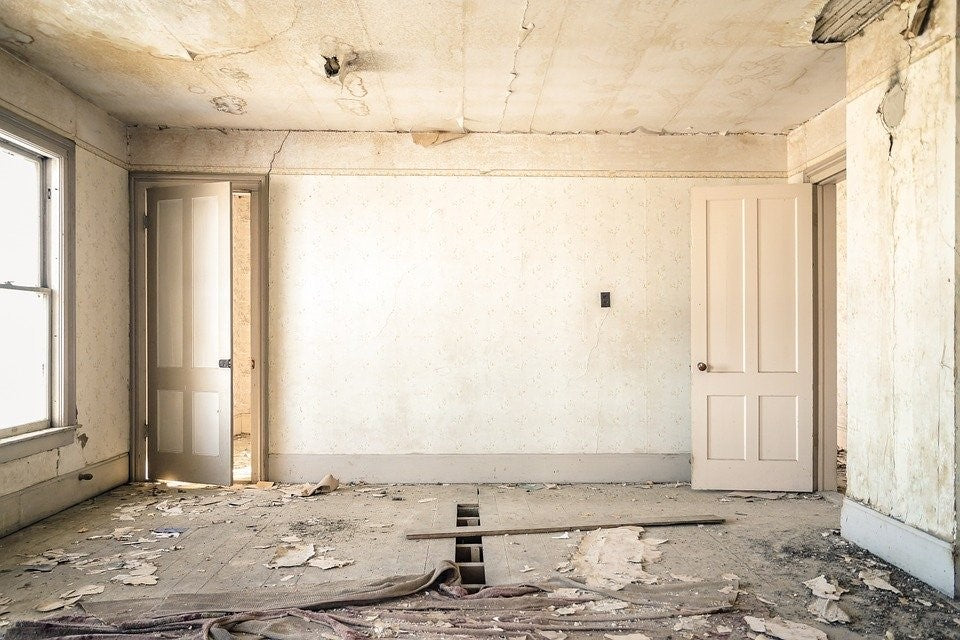
Water damage restoration for homeowners is a critical process that can protect your property, health, and investment after an unexpected leak, flood, or plumbing failure. Whether the cause is a burst pipe, heavy rain, or an appliance malfunction, water intrusion can quickly lead to structural damage, mold growth, and costly repairs if not addressed promptly and correctly.
This article provides a comprehensive overview of what to do when water damage strikes, the steps involved in effective restoration, and how to minimize long-term risks. If you’re facing a water emergency, understanding the restoration process will help you act quickly and make informed decisions. For those navigating insurance claims, you may also find it helpful to review how to file a water damage claim for step-by-step guidance on working with your provider.
Recognizing Water Damage in Your Home
Early detection is essential for limiting the impact of water intrusion. Signs of water damage can be subtle or obvious, depending on the source and extent. Common indicators include:
- Staining or discoloration on ceilings, walls, or floors
- Musty odors or persistent dampness
- Warped, buckled, or soft flooring
- Peeling paint or wallpaper
- Mold or mildew growth, especially in corners or behind furniture
- Visible pooling or puddles of water
For a more detailed look at the warning signs, see this guide to recognizing the signs of water damage.
Immediate Steps After Discovering Water Damage
When you discover water damage, acting quickly can prevent further harm and reduce restoration costs. Here’s what to do first:
- Stop the source: If possible, shut off the water supply or fix the leak.
- Ensure safety: Turn off electricity in affected areas to prevent shock or fire hazards.
- Document the damage: Take clear photos and videos for your insurance claim.
- Remove valuables: Move furniture, electronics, and important documents to a dry area.
- Contact professionals: Call a certified water damage restoration service if the damage is extensive or involves contaminated water.

The Water Damage Restoration Process Explained
Restoring a home after water intrusion involves several stages. Each step is designed to remove moisture, prevent mold, and return your property to a safe, livable condition.
Assessment and Inspection
Restoration professionals begin by inspecting the affected areas, identifying the source, and determining the extent of damage. Moisture meters and infrared cameras may be used to detect hidden water behind walls or under floors.
Water Removal and Extraction
Powerful pumps and vacuums are used to remove standing water quickly. The faster this is done, the less likely it is that structural materials will suffer permanent damage.
Drying and Dehumidification
After visible water is removed, the drying process begins. Industrial fans and dehumidifiers help eliminate residual moisture from walls, floors, and air. For more on equipment, see our guide to industrial fans for water damage restoration and air movers for water damage cleanup.
Cleaning and Sanitizing
All affected surfaces, including furniture, carpets, and personal items, are cleaned and disinfected. This step is crucial for preventing mold growth and eliminating bacteria or contaminants.
Restoration and Repairs
The final stage involves repairing or replacing damaged materials such as drywall, flooring, or insulation. In severe cases, structural repairs may be necessary. The water damage restoration timeline can vary depending on the scale and type of damage.
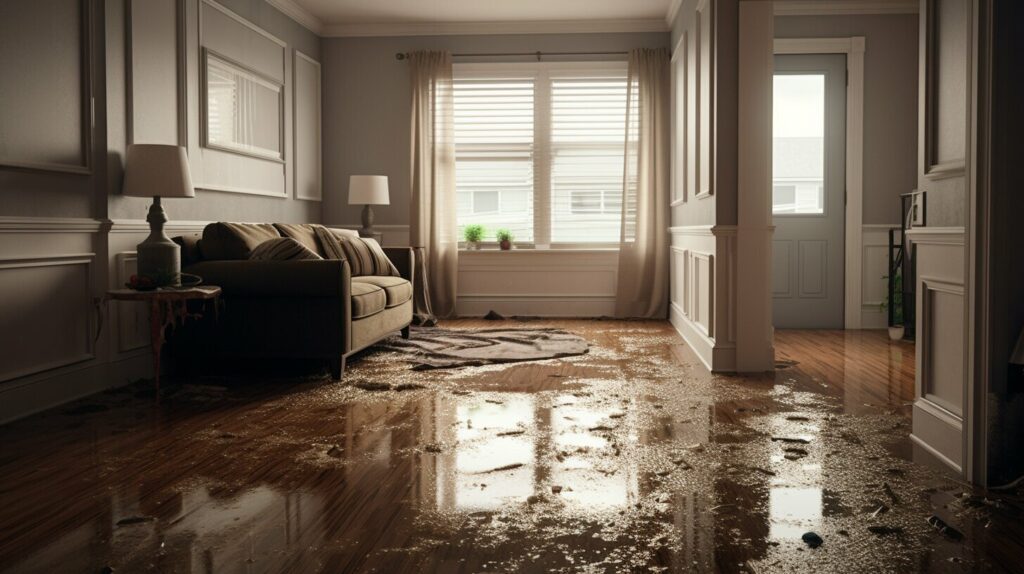
Understanding the Costs and Insurance Implications
The cost of restoring water damage can vary widely depending on the severity, affected areas, and required repairs. Factors influencing costs include:
- Type and source of water (clean, gray, or black water)
- Size of the affected area
- Materials involved (hardwood, carpet, drywall, etc.)
- Duration before mitigation began
- Extent of mold or microbial growth
For a detailed breakdown, see the factors affecting water damage repair costs. Most homeowners insurance policies cover sudden and accidental water damage, but not gradual leaks or neglect. Always review your policy and contact your insurer promptly after an incident.
Preventing Future Water Damage
While not all water emergencies can be avoided, proactive maintenance can reduce your risk. Here are some practical steps:
- Inspect plumbing and appliances regularly for leaks or corrosion
- Clean gutters and downspouts to direct water away from your foundation
- Install water leak detectors and automatic shut-off valves
- Seal windows, doors, and basement walls
- Maintain your roof and repair damaged shingles promptly
Regular home inspections and prompt repairs are the best defense against costly water-related issues.
Frequently Asked Questions
How long does it take to restore a home after water damage?
The timeline depends on the extent of the damage and the drying process. Minor incidents may take a few days, while severe cases involving structural repairs or mold remediation can take several weeks. For more details, refer to the standard restoration timeline.
Can I handle water damage cleanup myself?
Small spills or minor leaks can sometimes be managed by homeowners if addressed immediately. However, significant flooding, contaminated water, or hidden moisture should be handled by certified professionals to ensure thorough drying and prevent mold growth.
What are the health risks of untreated water damage?
Untreated moisture can lead to mold, which may cause respiratory issues, allergies, and other health concerns. Bacteria and contaminants in floodwater can also pose serious risks. Prompt, professional restoration is essential for maintaining a healthy living environment.
Dealing with water intrusion can be overwhelming, but understanding the restoration process and acting quickly can make a significant difference. By staying informed and prepared, you can protect your home and family from the long-term effects of water damage.