
5 Common Water Damage Claim Mistakes to Avoid for Payouts
· Ethan Williams

Dealing with water damage can be overwhelming, especially when it comes to filing an insurance claim. Many homeowners make avoidable errors during the claims process that can delay, reduce, or even result in the denial of their payout. Understanding the most frequent water damage claim mistakes is essential for maximizing your chances of a successful settlement and restoring your property efficiently.
This article highlights the top pitfalls people encounter when seeking compensation for water-related losses. By learning what to avoid, you can approach your claim with confidence and ensure you meet your insurer’s requirements. For a detailed walkthrough of the process, you can also refer to our how to file a water damage claim guide.
Overlooking Immediate Action After Water Damage
One of the most significant water damage claim mistakes is failing to act quickly after discovering a leak or flood. Insurance providers expect policyholders to take reasonable steps to prevent further damage. Delays in response can give the impression of neglect, which may jeopardize your claim.
- Shut off the water source immediately if possible.
- Document the scene with photos and videos before starting cleanup.
- Remove excess water using towels, mops, or a wet/dry vacuum.
- Contact a professional restoration company if the damage is extensive.
Acting promptly not only protects your property but also demonstrates to your insurer that you are fulfilling your responsibilities as a policyholder. For more on the restoration process, see our comprehensive resource on water damage restoration for homeowners.
Insufficient Documentation and Evidence
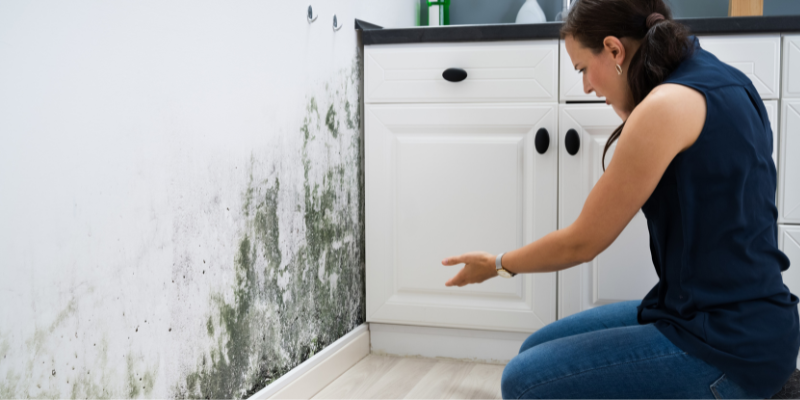
Another frequent error is not gathering enough evidence to support your claim. Insurance adjusters rely on clear, detailed information to assess the extent of the loss. Missing or incomplete documentation can lead to disputes or reduced payouts.
To avoid this, make sure to:
- Take multiple photos and videos of all affected areas and damaged items.
- Keep receipts for emergency repairs, cleaning supplies, and any temporary accommodations.
- Maintain a written inventory of damaged possessions, including descriptions and approximate values.
- Save all correspondence with your insurance company and contractors.
Thorough documentation is your best defense if your insurer questions the validity or scope of your claim.
Misunderstanding Policy Coverage and Exclusions
Many homeowners assume their insurance will cover all types of water damage, but this is rarely the case. Not reading your policy carefully is a common water damage claim mistake that can result in unexpected out-of-pocket expenses.
Typical exclusions include:
- Gradual leaks or maintenance issues (e.g., slow pipe drips, seepage)
- Flooding from natural disasters, which usually requires separate flood insurance
- Negligence or failure to maintain the property
Review your policy documents and ask your agent about any unclear terms. Understanding what is and isn’t covered will help you set realistic expectations and avoid surprises during the claims process. For more on the types and causes of water damage, see this comprehensive guide to water damage causes.
Delaying Notification to Your Insurance Company
Waiting too long to notify your insurer is another mistake that can threaten your payout. Most policies require you to report water damage promptly, often within a specific time frame. Failing to do so may give your insurance company grounds to deny your claim.
To stay on track:
- Contact your insurer as soon as possible after discovering the damage.
- Provide all requested information and documentation promptly.
- Follow up regularly to check the status of your claim.
Timely communication helps prevent misunderstandings and keeps your claim moving forward. If you’re unsure about the process, our article on the water damage restoration timeline explains what to expect at each stage.
Attempting DIY Repairs Without Professional Assessment
While it’s important to mitigate further damage, attempting major repairs on your own before an adjuster inspects the property can be a costly error. Insurance companies may reduce or deny your claim if they believe evidence has been altered or removed.
Best practices include:
- Only perform emergency measures to prevent additional loss (e.g., boarding up, tarping, extracting standing water).
- Wait for the adjuster’s inspection before discarding damaged materials or starting permanent repairs.
- Obtain written estimates from licensed contractors for all necessary work.
Professional assessments ensure that all damage is properly documented and that your claim reflects the true scope of repairs needed. For more on repair costs, see our article on the factors affecting water damage repair costs.
Frequently Asked Questions
What should I do first after discovering water damage?
Immediately stop the source of water if possible, document the damage with photos and videos, and contact your insurance provider. Take steps to prevent further damage, but avoid making permanent repairs until your insurer has assessed the situation.
How can I make sure my water damage claim is not denied?
Act quickly, provide thorough documentation, understand your policy’s coverage and exclusions, notify your insurer promptly, and avoid making major repairs before an adjuster’s inspection. Consulting with professionals and keeping detailed records will strengthen your claim.
Does homeowners insurance cover all types of water damage?
No, standard policies often exclude gradual leaks, maintenance issues, and flooding from natural disasters. Review your policy carefully and consider additional coverage if you live in a flood-prone area.
Conclusion
Successfully navigating a water damage insurance claim requires attention to detail and a proactive approach. By avoiding these common water damage claim mistakes—such as delaying action, lacking documentation, misunderstanding your policy, waiting to notify your insurer, and making premature repairs—you can improve your chances of receiving a fair payout. Stay informed, keep thorough records, and don’t hesitate to seek professional help when needed. This approach will help you recover faster and with less stress after a water-related incident.