
DIY Water Damage Cleanup Tips: What You Can Fix Yourself
· Ethan Williams

Water intrusion can happen suddenly, whether from a burst pipe, heavy rain, or a leaking appliance. When it does, acting quickly is essential to minimize property damage and prevent mold growth. Many homeowners wonder what steps they can take on their own before calling in professionals. This guide covers practical DIY water damage cleanup tips you can safely handle yourself, what to watch out for, and when to seek expert help.
Before diving into the cleanup process, it's important to understand the scope of the problem. Not all water damage is the same—some situations are manageable with household tools and supplies, while others require specialized equipment and expertise. If you’re unsure about the extent of the damage or your insurance options, you might want to review how to file a water damage claim for additional guidance.
Assessing the Situation: Safety First
Before starting any cleanup, prioritize safety. Water and electricity are a dangerous combination. If water has reached electrical outlets, appliances, or your breaker panel, shut off the power at the main switch and avoid the area until it’s safe. Wear protective gear such as gloves, boots, and a mask, especially if there’s a risk of contaminated water.
Determine the source of the water and stop it if possible. Clean water from a supply line is less hazardous than water from outside or a sewer backup. If you suspect hidden moisture or structural issues, consider consulting a professional or reading about how to detect hidden water damage signs before it becomes a major problem for more insight.
Essential DIY Water Damage Cleanup Tips for Homeowners
Once you’ve ensured the area is safe, you can begin tackling the cleanup. Here are the most effective steps for handling minor to moderate water damage on your own:
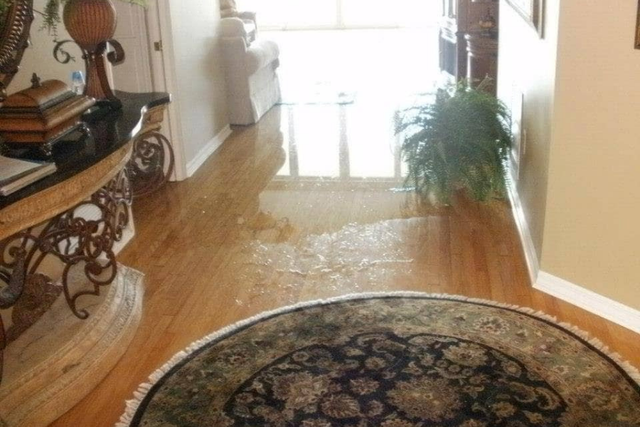
1. Remove Standing Water Quickly
Use a wet/dry vacuum, mop, or towels to soak up as much water as possible. The faster you remove standing water, the less likely it is to seep into floors and walls. For larger volumes, buckets and squeegees can help. Avoid using a household vacuum, as it’s not designed for water and can be dangerous.
2. Move and Protect Belongings
Take furniture, rugs, electronics, and valuables out of the affected area. Place aluminum foil or wood blocks under furniture legs to prevent further absorption. Remove wet carpets and padding if possible, as they can trap moisture and promote mold growth.
3. Dry Out the Area Thoroughly
Open windows and doors to increase ventilation. Use fans, dehumidifiers, and air movers to speed up drying. If you’re interested in more efficient drying solutions, check out advice on air movers for water damage cleanup for faster results. Continue drying for several days, even if surfaces feel dry to the touch, as moisture can linger in walls and subfloors.
4. Clean and Disinfect Surfaces
Once the area is dry, clean all affected surfaces with soap and water. Disinfect with a solution of one cup of bleach to one gallon of water, especially if the water was contaminated. This helps prevent bacteria and mold growth.
5. Check for Hidden Moisture
Inspect baseboards, drywall, and insulation for signs of lingering dampness. A moisture meter can help, but you can also look for discoloration, warping, or a musty smell. If you find persistent moisture, it may be time to consult a professional for further evaluation.
What You Shouldn’t Attempt Yourself
While many minor water incidents can be managed with these DIY water damage cleanup tips, some situations call for professional intervention. Avoid tackling the following on your own:
- Contaminated water: If the water is from a sewer backup or flood, it may contain harmful bacteria and chemicals. Specialized cleaning and protective equipment are required.
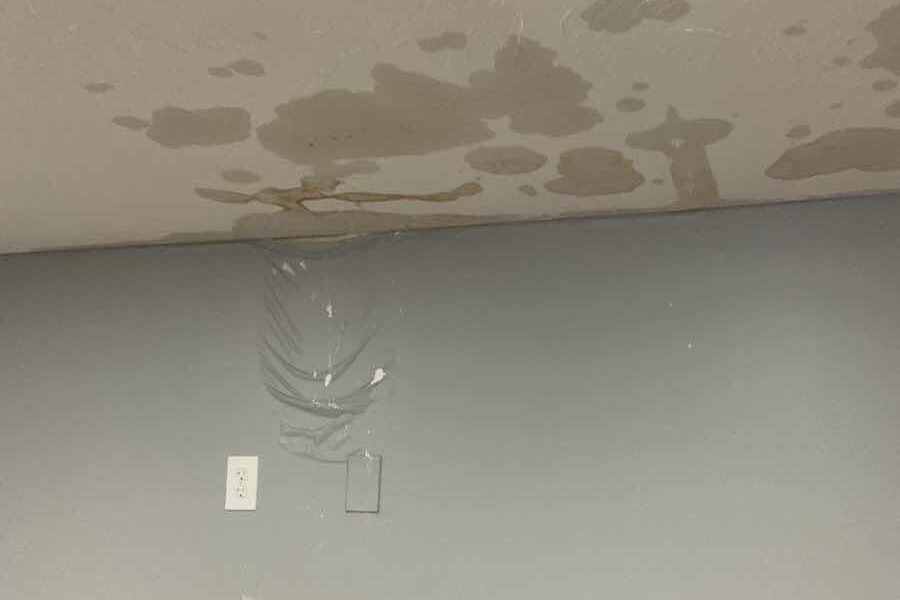
- Extensive structural damage: If floors, walls, or ceilings are sagging, crumbling, or show signs of severe warping, call a restoration expert immediately.
- Mold growth: If you see visible mold or smell a persistent musty odor, professional remediation is essential to protect your health and prevent further spread.
- Electrical hazards: Never attempt cleanup in areas where water has reached electrical systems until a qualified electrician has inspected the site.
For a comprehensive overview of when to call in the pros, explore water damage restoration for homeowners for detailed guidance.
Preventing Future Water Damage
Prevention is always better than cleanup. Here are some practical steps to reduce your risk of future water issues:
- Inspect plumbing and appliances regularly for leaks or corrosion.
- Keep gutters and downspouts clear to direct water away from your foundation.
- Seal cracks in walls and foundations to prevent seepage.
- Install water alarms and automatic shutoff valves for early detection.
- Maintain proper grading around your home to encourage drainage.
Understanding the factors affecting water damage repair costs can also help you make informed decisions about prevention and insurance coverage.
How Long Does DIY Water Damage Cleanup Take?
The timeline for drying and restoring your space depends on the extent of the water intrusion, the materials affected, and your drying equipment. Minor spills can be resolved in a day, while larger leaks may take several days to a week to dry completely. For more details on typical restoration timelines, refer to the standard water damage restoration timeline.
Frequently Asked Questions
How can I tell if water damage is too severe for DIY cleanup?
If you notice structural damage, widespread mold, or contaminated water, it’s best to contact professionals. Large areas of soaked drywall, insulation, or flooring often require specialized drying and repairs beyond basic home tools.
What household items are most effective for drying out water-damaged areas?
Wet/dry vacuums, fans, and dehumidifiers are the most effective tools for drying. Open windows and doors to improve airflow. For faster results, consider renting or purchasing air movers designed for water damage situations.
How do I prevent mold after cleaning up water damage?
Act quickly to remove water and dry all surfaces thoroughly. Clean and disinfect with a bleach solution, and continue ventilating the area for several days. If you notice any signs of mold, such as spots or odors, seek professional remediation.
Is it safe to keep using my HVAC system after water damage?
Only use your HVAC system if it was not affected by the water. Running the system can help with drying, but if any part of the system was exposed to moisture, have it inspected before use to avoid spreading mold or contaminants.
Should I replace carpets and padding after water damage?
In many cases, wet carpets and padding should be removed and replaced, especially if they cannot be dried within 48 hours or if the water was contaminated. This helps prevent mold growth and lingering odors.
By following these DIY water damage cleanup tips, you can address minor issues quickly and safely. Always prioritize safety and know your limits—when in doubt, consult a professional to protect your home and health.