
Expert Water Damage Documentation Tips for Homeowners
· Ethan Williams

When your home suffers from water intrusion—whether from a burst pipe, heavy rain, or an appliance leak—acting quickly and methodically is essential. Proper water damage documentation tips can make the difference between a smooth insurance claim and a frustrating denial. Knowing how to record the extent of the damage, gather evidence, and communicate with your insurance provider ensures you’re prepared for the claims process and any necessary repairs.
Many homeowners are surprised by the complexity of documenting water-related incidents. Insurers require detailed proof, and missing a single step can delay or jeopardize your claim. This guide will walk you through the best practices for documenting water damage, from the first signs of trouble to compiling your final claim package. For those interested in understanding why claims sometimes get denied, you may also want to review common water damage claim denial reasons to avoid costly mistakes early on.
Why Thorough Documentation Matters for Insurance Claims
Insurance companies rely on clear, organized records to assess the cause and extent of water damage. Without comprehensive evidence, your claim may be delayed, reduced, or denied. Following expert water damage documentation tips helps establish a timeline, supports your account of the incident, and demonstrates that you took reasonable steps to limit further harm.
In addition to expediting the claims process, proper documentation protects your interests if disputes arise. It also helps you keep track of repairs and restoration, ensuring nothing is overlooked during recovery.
Step-by-Step Guide to Documenting Water Damage
Start documenting as soon as you notice any signs of water intrusion. Here’s a practical approach to ensure you capture all necessary details:
1. Prioritize Safety and Stop the Source
Before you begin recording evidence, make sure the area is safe. Turn off electricity if water is near outlets or appliances. If possible, stop the flow of water—shut off the main valve or unplug malfunctioning devices. Once it’s safe, proceed with documentation.
2. Take Clear, Comprehensive Photos and Videos
Visual evidence is the foundation of any claim. Use your smartphone or camera to capture:
- Wide shots of the affected rooms to show the overall extent
- Close-ups of damaged floors, walls, ceilings, and belongings
- Photos of the water source (broken pipe, leaking appliance, etc.)
- Images of standing water, stains, and mold growth
- Time-stamped videos to illustrate the progression of damage
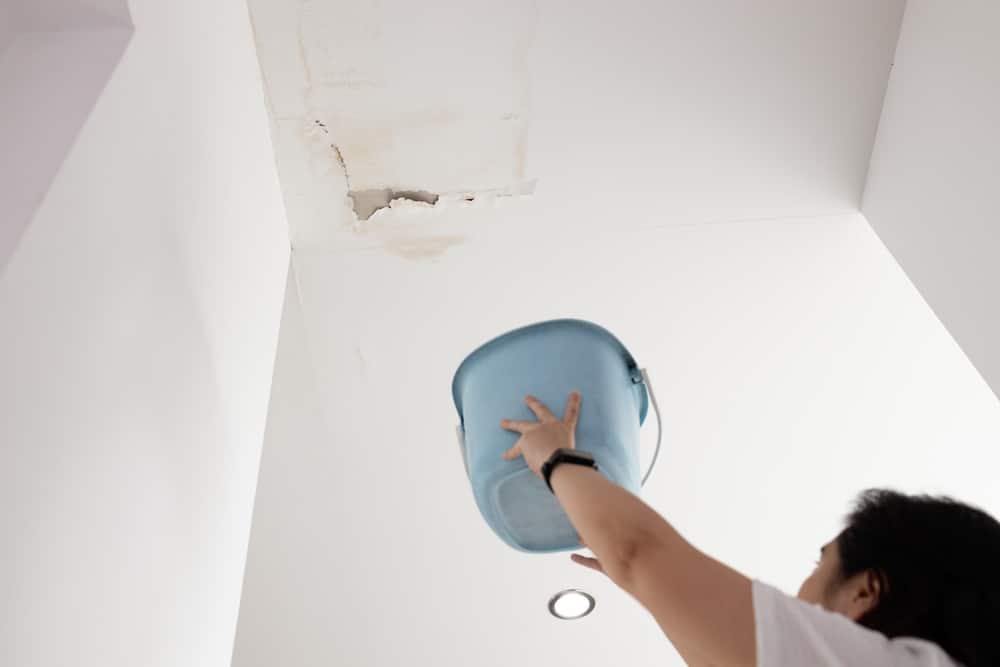
Be methodical—photograph every room and item affected, even if the damage appears minor. Don’t move or discard anything until you’ve finished this step.
3. Create a Detailed Written Inventory
List all damaged items, including furniture, electronics, clothing, and personal belongings. For each item, note:
- Description (brand, model, color, serial number if available)
- Approximate age and purchase price
- Estimated replacement cost
- Visible damage or loss
This inventory will support your claim and help you remember what needs to be repaired or replaced.
4. Save Receipts and Related Documents
Keep all receipts for emergency repairs, cleanup supplies, and temporary accommodations. If you hire professionals for water extraction or restoration, retain their invoices and contracts. These documents can be crucial for reimbursement and proving the steps you took to mitigate further damage.
For more on what insurance inspectors look for, see water damage insurance inspection process for a detailed overview.
5. Record Communication with Your Insurance Provider
Document every interaction with your insurer, including phone calls, emails, and in-person meetings. Note the date, time, and summary of each conversation. This record can help resolve disputes and clarify what information was provided or requested.
Common Mistakes to Avoid When Documenting Water Damage
Even diligent homeowners can overlook important steps. Avoid these frequent errors:
- Delaying documentation—damage can worsen quickly, and memories fade
- Throwing away damaged items before photographing them
- Failing to capture hidden or less obvious damage (inside cabinets, under carpets)
- Not keeping backup copies of photos and documents
- Neglecting to document the source of the water
Staying organized and thorough from the start will help your claim proceed smoothly.
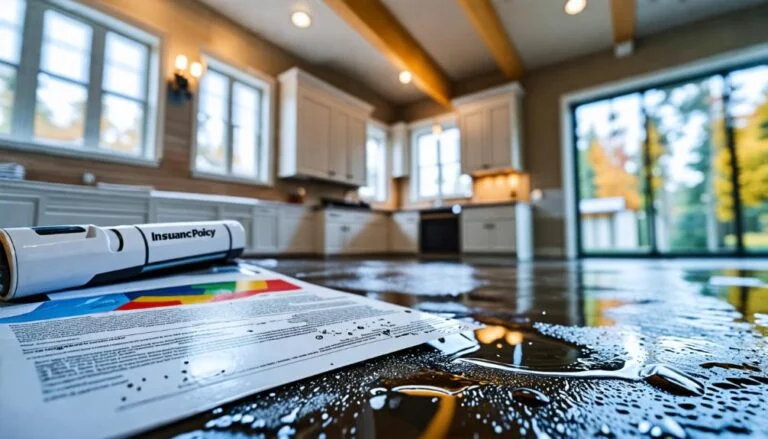
How to Strengthen Your Claim with Professional Assessments
Sometimes, insurance companies require an expert opinion to validate the extent and cause of water damage. Consider hiring a licensed contractor or restoration specialist to provide a written assessment and repair estimate. Their expertise can add credibility to your claim and identify hidden issues that might be missed during your own inspection.
Some restoration professionals also offer guidance on water damage documentation tips and can help you prepare your claim package. For a comprehensive overview of the restoration process, see water damage restoration for homeowners.
Understanding Insurance Policy Exclusions and Coverage
Not all water-related incidents are covered by standard homeowners insurance. Review your policy to understand what types of water damage are included and what exclusions may apply. For example, gradual leaks, neglect, or certain types of flooding may not be eligible for reimbursement. For more details on policy limitations, check out water damage coverage exclusions.
Being aware of your coverage helps you set realistic expectations and avoid surprises during the claims process.
Tips for Preventing Future Water Damage
While no homeowner can prevent every incident, proactive maintenance reduces your risk. Consider these preventive measures:
- Regularly inspect plumbing, appliances, and roofing for leaks
- Install water alarms and automatic shutoff valves
- Keep gutters and downspouts clear to direct water away from the foundation
- Seal windows and doors to prevent seepage during storms
- Know the early warning signs of water damage so you can act quickly
Documenting routine maintenance and repairs can also support future claims by showing your commitment to property care.
FAQ: Water Damage Documentation and Claims
What should I do first when I discover water damage?
Begin by ensuring your safety and stopping the source of water if possible. Then, immediately start taking photos and videos of the affected areas before moving or cleaning anything. Early documentation is crucial for a successful claim.
How detailed should my inventory of damaged items be?
Be as thorough as possible. Include descriptions, purchase dates, original costs, and the extent of damage for each item. The more detailed your records, the easier it will be to justify your claim to the insurance company.
Can I clean up before the insurance adjuster arrives?
You can take steps to prevent further damage, such as removing standing water or drying out wet areas. However, always document the original condition first with photos and videos. Save any damaged items until your insurer has reviewed them or given you permission to dispose of them.
Conclusion
Effective water damage documentation tips can make a significant difference in the outcome of your insurance claim and the speed of your home’s recovery. By acting quickly, staying organized, and following the steps outlined above, you’ll be well-prepared to navigate the claims process and restore your property. For those interested in handling minor repairs themselves, check out these DIY water damage cleanup tips to see what you can safely address on your own.