
Top Water Damage Claim Denial Reasons & How to Avoid Them
· Ethan Williams
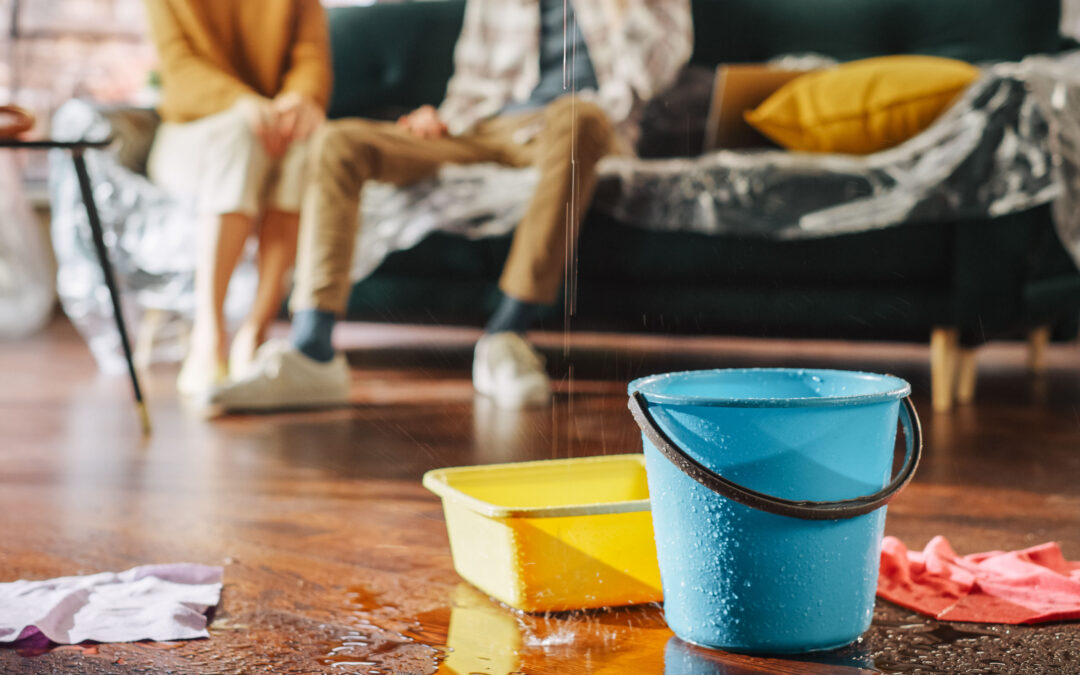
Dealing with water damage can be stressful enough, but having your insurance claim denied adds another layer of frustration. Many homeowners are caught off guard when their claims are rejected, often for reasons that could have been avoided with the right knowledge and preparation. Understanding the most common water damage claim denial reasons is essential for anyone looking to protect their property and finances.
This guide will break down the typical causes for denied claims, offer practical advice to help you sidestep these pitfalls, and explain what steps to take if your claim is turned down. If you’re looking for more insights on the process, our detailed resource on the water damage insurance inspection process can help you understand what to expect during an assessment.
Why Insurance Companies Deny Water Damage Claims
Insurance providers have strict guidelines for what is and isn’t covered under a standard policy. While water damage is a common issue, not all incidents are treated equally. Insurers often deny claims for reasons ranging from policy exclusions to insufficient documentation. Knowing these factors in advance can help you prepare and respond effectively.
Most Frequent Water Damage Claim Denial Reasons
Let’s explore the main causes for rejected claims and what you can do to avoid them:
1. Gradual Damage Instead of Sudden Events
Most policies cover sudden and accidental water incidents, such as a burst pipe or a washing machine overflow. However, if the damage is determined to be gradual—like slow leaks, ongoing seepage, or long-term humidity issues—insurers typically consider it a maintenance problem rather than a covered peril. This is one of the leading water damage claim denial reasons cited by adjusters.
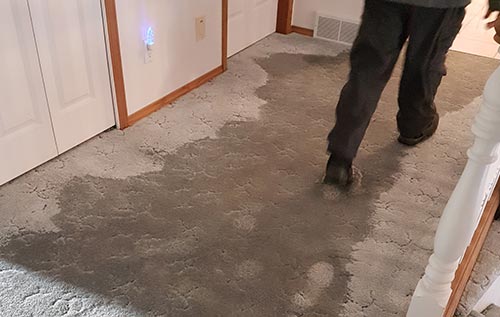
How to avoid: Conduct regular inspections, repair leaks promptly, and document any maintenance work. If you notice signs of moisture or water stains, address them immediately and keep records as proof of your diligence.
2. Lack of Proper Documentation
Insufficient evidence is another common reason for denial. Insurers require clear documentation of the damage, the cause, and any steps taken to mitigate further harm. Without photos, receipts, or a detailed timeline, your claim may be rejected or delayed.
How to avoid: Take clear, timestamped photos of the affected area, keep receipts for emergency repairs, and write a detailed account of the incident. This documentation will support your case if questions arise during the review process.
3. Policy Exclusions and Limitations
Many homeowners are unaware that standard insurance policies exclude certain types of water damage, such as flooding from natural disasters or sewer backups. These exclusions are often buried in the fine print. If your damage falls under an excluded category, your claim will likely be denied.
How to avoid: Review your policy carefully and ask your agent about any exclusions. Consider adding endorsements or riders for risks not covered by your base policy, such as flood or sewer backup coverage.
4. Failure to Mitigate Further Damage
After discovering water damage, policyholders are expected to take reasonable steps to prevent additional harm. This might include shutting off the water supply, moving belongings out of harm’s way, or arranging for emergency drying. If you neglect these duties, insurers may argue that you contributed to the loss, resulting in a claim denial.
How to avoid: Act quickly to contain the damage and document all mitigation efforts. Save receipts for any professional services you hire, and keep a log of your actions.
5. Delayed Reporting of the Incident
Timely notification is crucial. Waiting too long to report water damage can give insurers grounds to deny your claim, as delays may make it harder to determine the cause or extent of the damage.

How to avoid: Notify your insurance company as soon as you discover the issue. Most policies specify a window for reporting losses—missing this deadline can jeopardize your claim.
Tips for Preventing Water Damage Claim Denials
Being proactive is the best way to ensure your claim is accepted. Here are some practical steps:
- Understand your policy: Know what is and isn’t covered, and update your coverage as needed.
- Maintain your property: Regular upkeep reduces the risk of gradual damage and demonstrates responsibility to your insurer.
- Document everything: Keep records of repairs, inspections, and any communication with your insurance provider.
- Respond quickly: Take immediate action to stop and document the damage, and report it without delay.
- Consult professionals: For complex situations, consider hiring a public adjuster or restoration expert to help you navigate the process.
For more hands-on advice, you might find our DIY water damage cleanup tips helpful, especially for minor incidents you can address yourself.
What to Do If Your Water Damage Claim Is Denied
If you receive a denial letter, don’t panic. There are steps you can take to challenge the decision:
- Review the denial letter: Understand the specific reason your claim was rejected.
- Gather supporting evidence: Collect photos, repair invoices, and any correspondence with your insurer.
- Request a second review: Contact your insurance company to discuss the denial and provide additional documentation if needed.
- Consult an expert: If you believe the denial is unjust, consider seeking advice from a public adjuster or legal professional.
Understanding the factors affecting water damage repair costs can also help you negotiate more effectively with your insurer by providing a clear picture of the expenses involved.
Recognizing the Signs of Water Damage Early
Early detection can make a significant difference in both the extent of the damage and the likelihood of a successful claim. Common indicators include stains on ceilings or walls, musty odors, warped floors, and peeling paint. For a comprehensive list, check out these signs of water damage on your property.
Addressing these issues quickly not only protects your home but also strengthens your case if you need to file a claim.
Frequently Asked Questions
What types of water damage are usually not covered by insurance?
Most standard policies exclude flood damage from natural disasters, sewer or drain backups, and gradual leaks due to poor maintenance. To cover these risks, you may need to purchase additional endorsements or separate policies.
How can I improve my chances of a successful water damage claim?
Maintain your property, act quickly to mitigate damage, document everything thoroughly, and report incidents promptly. Understanding the water damage claim denial reasons discussed above can help you avoid common mistakes.
Can I appeal a denied claim, and how?
Yes, you can appeal. Start by reviewing the denial letter, gathering additional evidence, and requesting a second review from your insurer. If needed, consult a public adjuster or legal expert for further assistance.
Conclusion
Water-related losses can be overwhelming, but knowing the main water damage claim denial reasons and how to avoid them puts you in a stronger position. By staying informed, maintaining your property, and responding quickly, you can reduce the risk of a denied claim and protect your investment. For a step-by-step approach to filing, our guide on how to file a water damage claim offers practical instructions for homeowners.
Staying proactive and prepared is the best defense against both water damage and insurance claim headaches.