
Water Damage Mold Removal Basics: Safe Cleanup Strategies
· Ethan Williams

Water damage mold removal basics are essential knowledge for any homeowner or property manager facing leaks, flooding, or persistent moisture. Mold can begin growing within 24 to 48 hours after water exposure, making prompt and informed action crucial. Understanding how to safely address both water damage and mold growth helps protect your property and the health of everyone inside.
In this article, you'll learn practical steps for identifying, containing, and cleaning up mold after water incidents. We'll cover the causes of water damage, health risks associated with mold, and proven cleanup strategies. For those interested in a deeper look at how moisture impacts indoor environments, our guide on water damage and indoor air quality explores the health risks and solutions in detail.
Understanding the Causes of Water Damage and Mold Growth
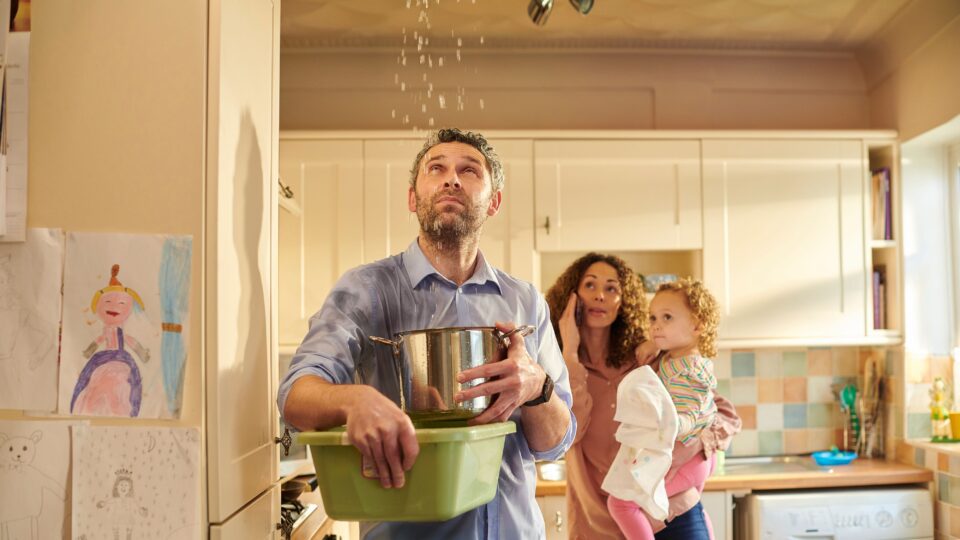
Water intrusion can result from many sources, including burst pipes, roof leaks, appliance failures, and natural disasters. According to this comprehensive overview of common water damage causes, even minor leaks can create the perfect environment for mold if left unaddressed. Mold spores are present everywhere, but they need moisture to grow and spread.
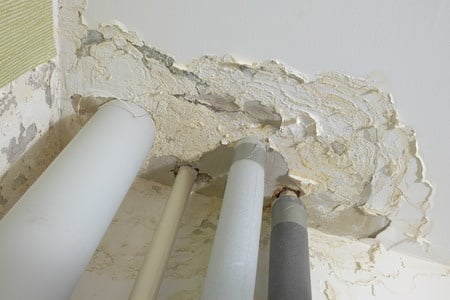
Once water is introduced, porous materials like drywall, insulation, and carpet can retain moisture, providing a breeding ground for mold. The key to preventing widespread contamination is to act quickly and understand the basics of mold remediation.
Health Risks Associated with Mold After Water Incidents
Mold exposure can lead to a range of health issues, particularly for individuals with allergies, asthma, or weakened immune systems. Symptoms may include nasal congestion, coughing, skin irritation, and in severe cases, respiratory infections. Long-term exposure to mold can worsen chronic health conditions and impact indoor air quality.
For a detailed look at how moisture and mold affect your living environment, see our article on water damage and mold growth, which covers prevention and timelines for safe remediation.
Step-by-Step Mold Remediation Strategies
Effective water damage mold removal basics involve a systematic approach to ensure safety and thoroughness. Here are the key steps:
- Identify and Stop the Source: Before cleanup, locate and fix the cause of water intrusion. This prevents further moisture and additional mold growth.
- Assess the Extent of Damage: Inspect affected areas, including hidden spaces like behind walls or under flooring. Use moisture meters if available.
- Protect Yourself: Wear gloves, goggles, and an N95 respirator to avoid exposure to mold spores during cleanup.
- Remove Water and Dry the Area: Use pumps, wet/dry vacuums, and fans to eliminate standing water. Dehumidifiers help speed up the drying process.
- Dispose of Contaminated Materials: Porous items such as carpet, insulation, and drywall that cannot be thoroughly cleaned should be discarded in sealed bags.
- Clean and Disinfect: Hard surfaces can be scrubbed with detergent and water. Avoid using bleach on porous materials, as it may not penetrate deeply enough to kill all mold.
- Monitor for Recurrence: Continue checking for signs of moisture or mold regrowth in the weeks following cleanup.
When to Call a Professional for Mold Remediation
While small areas of mold (less than 10 square feet) can often be handled by homeowners, larger infestations or mold resulting from contaminated water (such as sewage) require professional intervention. Certified mold remediation experts have the equipment and expertise to safely contain and remove extensive growth, ensuring that spores do not spread to unaffected areas.
If you are unsure about the extent of the damage or have health concerns, it's best to consult a professional. For tips on documenting damage for insurance purposes, our resource on water damage documentation tips can help you prepare for claims and inspections.
Prevention Tips to Avoid Future Mold Problems
Prevention is always preferable to remediation. Here are some practical steps to reduce the risk of future mold issues:
- Maintain Proper Ventilation: Use exhaust fans in bathrooms, kitchens, and laundry rooms to reduce humidity.
- Monitor Indoor Humidity: Keep humidity levels below 60% using dehumidifiers if necessary.
- Inspect Regularly: Check for leaks under sinks, around windows, and in basements or crawl spaces.
- Address Water Damage Promptly: Dry wet areas within 24-48 hours to prevent mold from taking hold.
- Upgrade Building Materials: Consider mold-resistant drywall and paints in high-moisture areas.
For more advice on maximizing insurance payouts after water incidents, see our guide on water damage reimbursement tips.
Common Mistakes to Avoid During Mold Cleanup
Even with the best intentions, some actions can make mold problems worse. Avoid these common errors:
- Ignoring Small Leaks: Even minor drips can lead to major mold issues if not addressed quickly.
- Using Bleach on Porous Surfaces: Bleach may not eliminate mold roots in materials like wood or drywall.
- Failing to Dry Thoroughly: Incomplete drying can result in mold regrowth, even after cleaning.
- Disturbing Mold Without Containment: Improper removal can release spores into the air, spreading contamination.
- Delaying Professional Help: Large or hidden infestations often require specialized treatment to ensure safety.
FAQ: Mold Cleanup and Water Damage
How quickly should I start cleaning up after water damage?
Begin cleanup as soon as it is safe to do so. Mold can start growing within 24 to 48 hours, so prompt drying and removal of wet materials are critical to minimizing damage and health risks.
Can I remove mold myself, or do I need a professional?
Small, isolated patches of mold (less than 10 square feet) can often be cleaned by homeowners using proper safety gear and cleaning techniques. For larger areas, or if the water involved is contaminated, it is safest to hire a certified mold remediation specialist.
What are the signs that mold is still present after cleanup?
Persistent musty odors, discoloration on walls or ceilings, and recurring allergy symptoms may indicate that mold remains. Continue monitoring the area and consider professional assessment if you suspect incomplete removal.
Is it safe to use a regular vacuum to clean up mold?
No, standard vacuums can spread mold spores throughout your home. Use a vacuum with a HEPA filter specifically designed for mold remediation, or consult a professional for safe removal.