
Water Damage and Indoor Air Quality: Health Risks & Fixes
· Ethan Williams
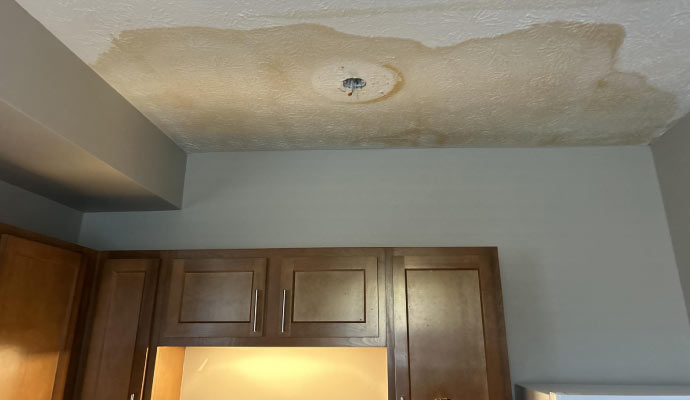
When water enters your home unexpectedly—whether from a burst pipe, roof leak, or flooding—the consequences go far beyond visible stains and warped floors. Water damage and indoor air quality are closely linked, and the impact on your health can be significant if not addressed quickly and thoroughly. Damp environments create ideal conditions for mold, bacteria, and other contaminants that can compromise the air you breathe every day.
Understanding how moisture intrusion affects your living space, what health risks are involved, and how to restore safe air quality is essential for every property owner. This article explores the connection between excess moisture and indoor pollutants, outlines the dangers, and provides practical solutions for prevention and remediation.
For homeowners dealing with insurance claims, understanding the process is just as important as fixing the physical damage. Learn more about water damage insurance inspection process to ensure you’re prepared for every step.
How Moisture Intrusion Impacts Air Quality
When water enters a building, it doesn’t just damage surfaces—it creates an environment where harmful microorganisms can thrive. Water damage and indoor air quality issues often begin within 24 to 48 hours of moisture exposure. Here’s how excess water can degrade the air inside your home:
- Mold Growth: Mold spores are always present in the air, but they need moisture to grow. Once established, mold releases spores and mycotoxins that can trigger allergies and respiratory problems.
- Bacterial Contamination: Standing water, especially from sewage or floodwaters, can introduce bacteria and viruses into your living space.
- Dust Mites and Pests: Dampness attracts dust mites and pests, both of which can worsen asthma and allergies.
- Breakdown of Building Materials: Wet drywall, insulation, and wood can off-gas volatile organic compounds (VOCs) as they deteriorate, further polluting the air.
Even after visible water is removed, hidden moisture in walls, floors, and ceilings can continue to fuel these problems. That’s why prompt and thorough drying is crucial.
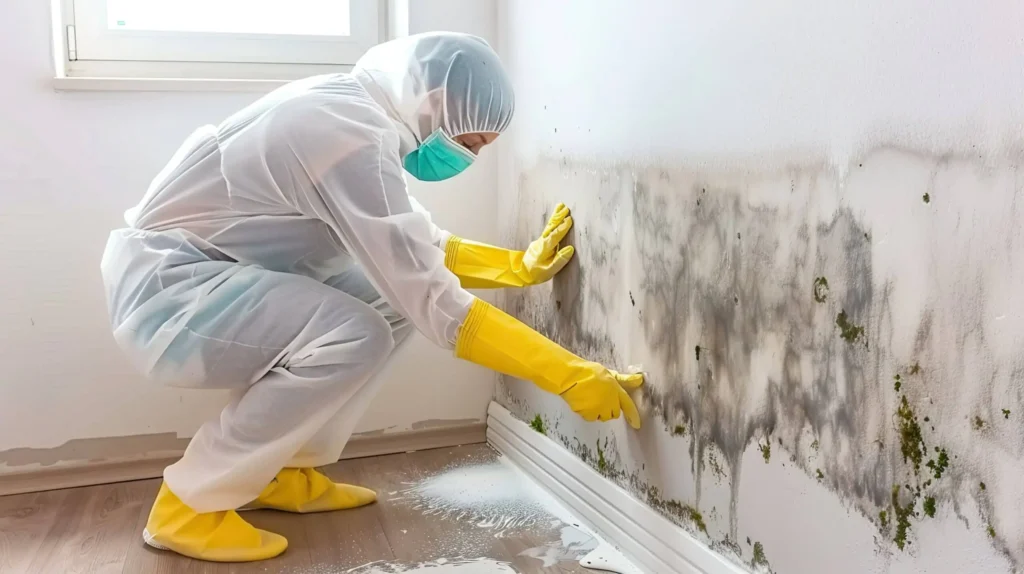
Common Health Risks Linked to Damp Environments
The health effects of poor indoor air quality after water damage can range from mild irritation to serious illness, depending on the extent of contamination and individual sensitivity. Some of the most common risks include:
- Allergic Reactions: Mold spores and dust mites can cause sneezing, runny nose, itchy eyes, and skin rashes.
- Asthma Flare-Ups: People with asthma may experience increased attacks or worsening symptoms in damp, moldy environments.
- Respiratory Infections: Bacteria and viruses from contaminated water can lead to bronchitis, sinus infections, and even pneumonia.
- Toxic Effects: Some molds, such as Stachybotrys chartarum (“black mold”), produce toxins that may cause headaches, fatigue, and neurological symptoms in sensitive individuals.
- Long-Term Illness: Prolonged exposure to poor air quality can contribute to chronic respiratory conditions and weaken the immune system.
Children, elderly individuals, and those with pre-existing health conditions are especially vulnerable to these effects. That’s why addressing water damage swiftly is not just a matter of property preservation, but also of protecting your family’s health.
Signs Your Indoor Air Quality Has Been Compromised
It’s not always obvious when your home’s air has been affected by water intrusion. Look for these warning signs that may indicate a problem:
- Persistent musty or earthy odors, especially in basements or near affected areas
- Visible mold growth on walls, ceilings, or behind furniture
- Condensation on windows or walls
- Unexplained allergy or asthma symptoms among household members
- Peeling paint, warped wood, or bubbling drywall
If you notice any of these issues after a leak or flood, it’s important to investigate further and take action to restore healthy air conditions.
Effective Solutions for Restoring Healthy Air
Addressing water damage and indoor air quality concerns requires a combination of immediate action and long-term prevention. Here’s a step-by-step approach to getting your home back to a safe, healthy state:
- Stop the Source: Identify and repair the cause of water intrusion—whether it’s a leaking roof, burst pipe, or foundation crack.
- Remove Standing Water: Use pumps, wet vacuums, and towels to eliminate as much water as possible right away.
- Dry Thoroughly: Employ fans, dehumidifiers, and open windows to dry out affected areas. Professional drying equipment may be necessary for severe cases.
- Remove Contaminated Materials: Discard porous items like carpets, insulation, and drywall that can’t be fully dried or cleaned.
- Clean and Disinfect: Use EPA-registered disinfectants to clean hard surfaces and prevent microbial growth.
- Inspect for Mold: If you suspect hidden mold, consult a certified mold remediation specialist for testing and removal.
- Monitor Humidity: Keep indoor humidity below 50% to discourage mold and dust mites.
- Replace Air Filters: Change HVAC and air purifier filters regularly to capture airborne contaminants.
For a deeper dive into documenting the restoration process, check out these water damage documentation tips for homeowners.
Preventing Moisture Problems and Protecting Air Quality
Prevention is always better than remediation. Here are some practical steps to reduce the risk of future water issues and maintain clean indoor air:
- Inspect your roof, gutters, and foundation regularly for signs of leaks or damage.
- Ensure proper drainage around your home to direct water away from the foundation.
- Use exhaust fans in bathrooms, kitchens, and laundry rooms to control humidity.
- Seal windows and doors to prevent rainwater intrusion.
- Store belongings off the floor in basements and crawl spaces.
- Consider installing a sump pump or backwater valve if your area is prone to flooding.
Understanding the common causes of water damage can help you take proactive measures before problems arise.
When dealing with insurance, familiarize yourself with water damage claim denial reasons to avoid surprises during the claims process.
When to Call a Professional
While minor leaks can sometimes be managed by homeowners, extensive water intrusion or suspected mold contamination should always be evaluated by professionals. Certified water damage restoration and indoor air quality experts have the tools and training to:
- Detect hidden moisture with specialized meters
- Safely remove mold and contaminated materials
- Restore air quality using HEPA filtration and advanced drying techniques
- Document the damage for insurance purposes
Don’t hesitate to seek expert help if you’re unsure about the extent of the problem or if health symptoms persist.
Frequently Asked Questions
How quickly does mold start to grow after water damage?
Mold can begin to develop within 24 to 48 hours of moisture exposure. That’s why it’s crucial to dry affected areas as soon as possible to prevent mold colonies from taking hold.
What are the most common symptoms of poor indoor air quality after a leak?
Common symptoms include coughing, sneezing, itchy eyes, headaches, fatigue, and worsening asthma or allergy symptoms. Persistent musty odors and visible mold are also warning signs.
Can I clean up water damage myself, or do I need a professional?
Small, contained leaks can often be handled by homeowners if dried and cleaned promptly. However, if water has soaked into walls, flooring, or insulation—or if you suspect mold or sewage contamination—it’s best to call a professional restoration company.
Does insurance cover water-related air quality issues?
Coverage depends on your policy and the cause of the damage. It’s important to review your insurance documents and consult with your adjuster. For more information, see our article on water damage coverage exclusions.
Water damage and indoor air quality are deeply connected. By acting quickly, staying informed, and taking preventive measures, you can protect both your property and your health from the hidden dangers of excess moisture.