
Top Water Damage Reimbursement Tips for Maximum Payouts
· Ethan Williams

Dealing with water damage can be overwhelming, especially when it comes to navigating insurance claims and maximizing your reimbursement. Whether the issue stems from a burst pipe, a leaky roof, or flooding, understanding how to approach your claim can make a significant difference in the payout you receive. This guide shares practical water damage reimbursement tips to help homeowners and renters secure the compensation they deserve.
Before diving into the details, it's important to recognize that every insurance policy is different. Knowing your coverage, documenting the damage thoroughly, and following the right steps can help you avoid common pitfalls. For those concerned about the health impacts of water intrusion, you may also want to explore how water damage and indoor air quality are connected.
Understanding Your Insurance Policy
One of the first and most crucial steps in the reimbursement process is reviewing your insurance policy. Policies can vary widely in what they cover, so it's essential to:
- Identify covered perils: Not all water-related incidents are included. Some policies exclude gradual leaks or flooding from outside sources.
- Check for exclusions: Be aware of common water damage coverage exclusions to avoid surprises during the claims process.
- Understand your deductible: Know how much you'll need to pay out of pocket before your insurance kicks in.
Reading your policy carefully and asking your agent for clarification can prevent misunderstandings and help you set realistic expectations for your claim.
Documenting the Damage for Maximum Reimbursement
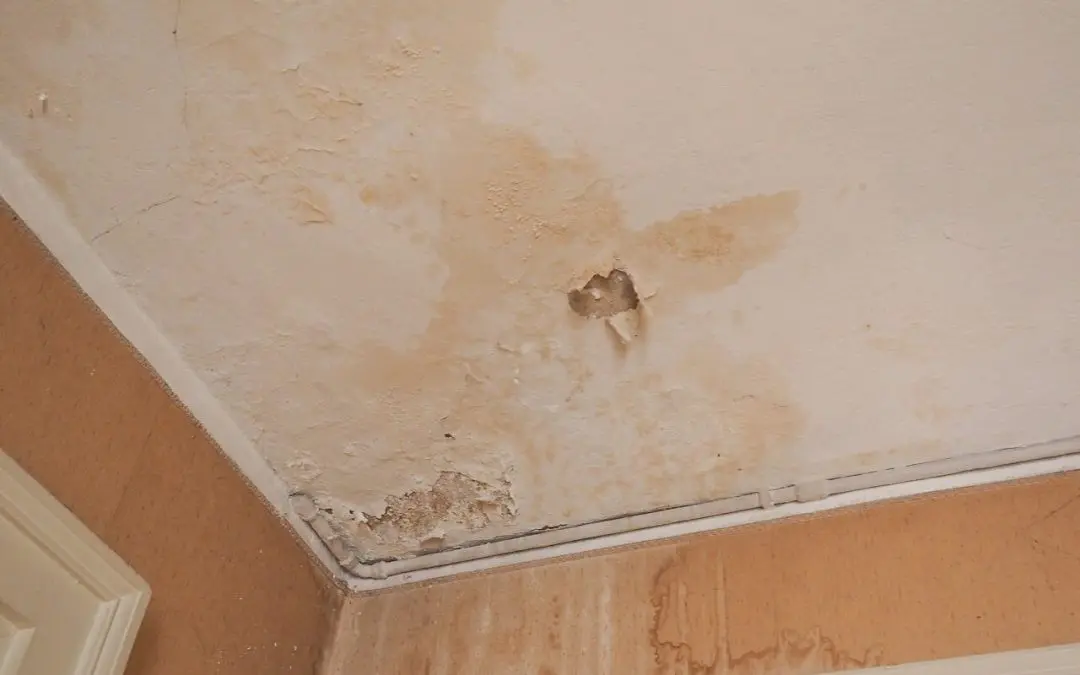
Thorough documentation is one of the most effective water damage reimbursement tips. Insurance companies require clear evidence to process claims, so take these steps:
- Take photos and videos: Capture every affected area, including structural elements, personal belongings, and appliances.
- Keep damaged items: Unless they pose a health risk, retain damaged materials until your adjuster has inspected them.
- Write detailed notes: Record the date, time, and cause of the incident, as well as any actions you took to mitigate further damage.
- Save receipts: Keep documentation for emergency repairs or temporary accommodations.
For more expert advice, check out these water damage documentation tips to ensure your claim is as strong as possible.
Initiating the Claims Process Quickly
Timeliness is critical when seeking reimbursement for water-related losses. Most insurance companies require prompt notification of any incident. Here’s how to proceed:
- Contact your insurer immediately: Report the damage as soon as possible to avoid delays or denial of your claim.
- Follow up in writing: After your initial call, send a written notice (email or letter) summarizing the incident and your claim request.
- Schedule an inspection: Cooperate with the insurance adjuster and provide access to all affected areas.
Understanding the water damage insurance inspection process can help you prepare for the adjuster's visit and ensure nothing is overlooked.
Working with Adjusters and Contractors
Insurance adjusters play a key role in determining your payout. To maximize your reimbursement:
- Be present during inspections: Walk through the property with the adjuster and point out all areas of concern.
- Provide documentation: Share your photos, videos, and notes to support your claim.
- Get independent estimates: Consider hiring a licensed contractor to provide a second opinion on repair costs. This can help if the insurer’s estimate seems low.
- Ask questions: Don’t hesitate to request clarification on how the adjuster calculated the payout or why certain items were excluded.
Staying organized and proactive can make a significant difference in the outcome of your claim.

Avoiding Common Claim Denial Reasons
Even with the best preparation, some claims are denied due to avoidable mistakes. Here are some frequent reasons and how to prevent them:
- Late reporting: Always notify your insurer promptly.
- Insufficient documentation: Provide clear, comprehensive evidence of the damage and its cause.
- Policy exclusions: Review your policy to ensure your situation is covered.
- Failure to mitigate: Take reasonable steps to prevent further damage, such as shutting off water or making temporary repairs.
For a deeper look at why claims are denied and how to avoid these pitfalls, see the guide on water damage claim denial reasons.
Expert Strategies for Boosting Your Payout
To get the most from your insurance claim, consider these advanced water damage reimbursement tips:
- Consult a public adjuster: If your claim is large or complex, a public adjuster can negotiate with your insurer on your behalf.
- Stay organized: Keep all correspondence, estimates, and receipts in one place for easy reference.
- Be persistent: If you disagree with the insurer’s decision, don’t be afraid to appeal or request a re-evaluation.
- Understand the difference between new and old damage: Insurers may deny claims for pre-existing issues. Learn how to distinguish between them by reading this guide on identifying new versus old water damage.
Frequently Asked Questions
What should I do immediately after discovering water damage?
First, ensure safety by turning off electricity in affected areas if necessary. Then, stop the source of water if possible and document the damage with photos and notes. Notify your insurance company as soon as possible to start the claims process.
How can I make sure my water damage claim isn’t denied?
Report the incident promptly, provide thorough documentation, and take steps to prevent further damage. Review your policy for exclusions and keep records of all communication with your insurer.
Are all types of water damage covered by insurance?
No, coverage depends on your policy. Sudden and accidental events are usually covered, while gradual leaks, poor maintenance, or flooding from outside sources may be excluded. Always check your policy details or consult your agent for clarification.
Conclusion
Securing a fair payout for water-related losses requires preparation, attention to detail, and a clear understanding of your insurance policy. By following these practical water damage reimbursement tips, documenting everything, and communicating effectively with your insurer, you can improve your chances of receiving the maximum reimbursement. Remember to stay proactive, ask questions, and seek expert help if needed to protect your property and your finances.