
How Quickly Mold Grows After Water Damage (The 48-Hour Rule)
· Ethan Williams

When a home or business experiences water intrusion—whether from a burst pipe, roof leak, or flooding—one of the most urgent concerns is the risk of mold growth. Understanding how quickly mold grows after water damage is critical for preventing costly repairs and safeguarding health. Mold can begin to develop in as little as 24 to 48 hours after moisture exposure, making prompt action essential.
Even minor water events can create the perfect environment for spores to thrive. If left unaddressed, mold can damage building materials, impact indoor air quality, and trigger health issues for occupants. Acting quickly and knowing what signs to look for can make all the difference in minimizing damage and remediation costs.
For a deeper look at the connection between moisture problems and air quality, see our guide on water damage and indoor air quality.
The Science Behind Rapid Mold Growth
Mold is a type of fungus that reproduces by releasing microscopic spores into the air. These spores are present everywhere, but they only begin to colonize when they land on damp surfaces. The combination of moisture, organic material (like drywall or wood), and warmth creates an ideal breeding ground.
Research shows that, under the right conditions, spores can germinate and start forming colonies in as little as 24 hours. By the 48-hour mark, visible signs of mold may appear, especially if humidity remains high and the water source is not removed. This is why the "48-hour rule" is widely cited in the restoration industry: prompt drying and cleanup within this window is the best way to prevent a full-blown infestation.
Key Factors That Influence Mold Development
While the 48-hour guideline is a helpful benchmark, several variables affect how quickly mold grows after water damage:
- Temperature: Mold thrives in warm environments, typically between 77°F and 86°F (25°C–30°C).
- Humidity: Relative humidity above 60% accelerates spore germination and growth.
- Type of Surface: Porous materials like drywall, carpet, and insulation absorb water and provide nutrients for mold.
- Amount of Water: The more extensive the water exposure, the greater the risk and speed of colonization.
- Ventilation: Poor airflow allows moisture to linger and supports mold proliferation.
Understanding these factors can help homeowners and property managers prioritize areas most at risk and respond effectively after a leak or flood.
Recognizing Early Signs of Mold After Moisture Exposure
Detecting mold early is crucial for limiting damage and health risks. Some common warning signs include:
- Musty or earthy odors, especially in enclosed spaces
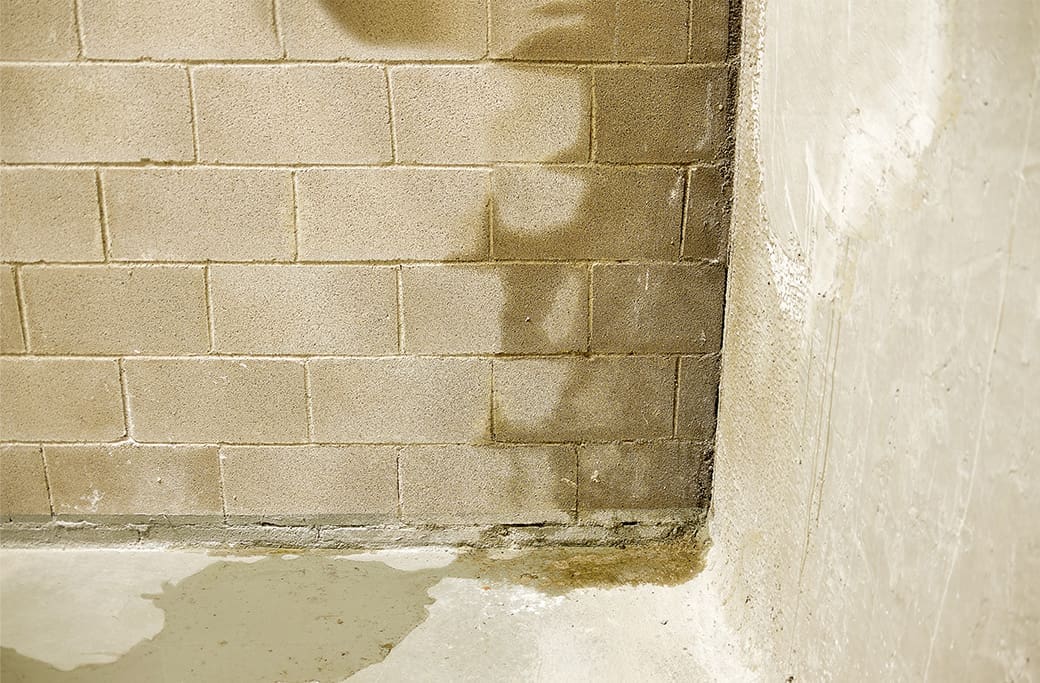
- Discoloration or staining on walls, ceilings, or floors
- Peeling paint or wallpaper
- Visible fuzzy or slimy patches, often green, black, or white
- Increased allergy or respiratory symptoms among occupants
It’s important to note that mold can grow in hidden areas, such as behind walls or under flooring. For tips on identifying less obvious moisture problems, see this guide to detecting hidden water damage signs.
Why Immediate Action Matters: The 48-Hour Rule Explained
The window for preventing mold growth after a water event is extremely short. If water is not extracted and affected materials are not dried within 24 to 48 hours, the risk of mold increases dramatically. Once colonies form, they can spread rapidly and become much harder—and more expensive—to remove.
Immediate steps to take after discovering water damage include:
- Stopping the source of water (if possible)
- Removing standing water with pumps or wet vacuums
- Using fans and dehumidifiers to dry out the area
- Discarding saturated porous materials that cannot be dried quickly
- Contacting a professional restoration company if the affected area is large or if mold is already visible
For more on timelines and prevention, our resource on water damage and mold growth offers additional insights.

Health Risks Associated With Mold After Water Incidents
Mold exposure can lead to a range of health issues, particularly for people with allergies, asthma, or weakened immune systems. Common symptoms include:
- Nasal congestion and sinus irritation
- Coughing and throat discomfort
- Eye irritation
- Skin rashes
- Worsening of asthma or other respiratory conditions
Long-term exposure or large infestations can pose more serious risks, including persistent respiratory problems and, in rare cases, infections. This underscores the importance of rapid response and thorough remediation after any water event.
Prevention and Best Practices for Managing Moisture
To reduce the risk of mold after a water incident, consider these best practices:
- Inspect plumbing, roofing, and appliances regularly for leaks
- Address any water intrusion immediately—don’t wait to see if it dries on its own
- Keep indoor humidity below 50% with dehumidifiers and proper ventilation
- Use mold-resistant materials in high-risk areas like bathrooms and basements
- Document all water events and repairs for insurance and future reference—see our water damage documentation tips for more details
Proactive maintenance and quick action are the best defenses against the rapid spread of mold after moisture exposure.
Frequently Asked Questions
How fast can mold start growing after a water leak?
Mold can begin to develop within 24 to 48 hours after a surface becomes wet. The speed depends on temperature, humidity, and the type of materials affected. Warm, humid, and poorly ventilated spaces are especially vulnerable to rapid mold growth.
What should I do if I suspect mold after water damage?
If you notice musty odors, discoloration, or visible patches, act quickly. Remove standing water, dry the area thoroughly, and discard any materials that cannot be dried within 48 hours. If the affected area is large or if you have health concerns, contact a professional restoration service for assessment and remediation.
Can I prevent mold by just cleaning up visible water?
Removing visible water is a critical first step, but it’s not always enough. Moisture can linger in porous materials and hidden spaces. Use fans, dehumidifiers, and proper ventilation to ensure all affected areas are completely dry. Monitor for signs of mold in the days and weeks following a water event.
Does insurance cover mold remediation after water incidents?
Coverage varies by policy and the cause of the water damage. It’s important to document the incident and repairs thoroughly. For more on maximizing your claim, see our guide on water damage reimbursement tips.
Conclusion
Understanding how quickly mold grows after water damage is essential for protecting your property and health. The 48-hour window is a critical period for intervention—acting swiftly can prevent widespread contamination and costly repairs. By staying vigilant, responding promptly to leaks or floods, and maintaining a dry environment, you can significantly reduce the risk of mold taking hold in your home or business.