
Water Damage Sanitation Procedures for a Clean Home
· Ethan Williams
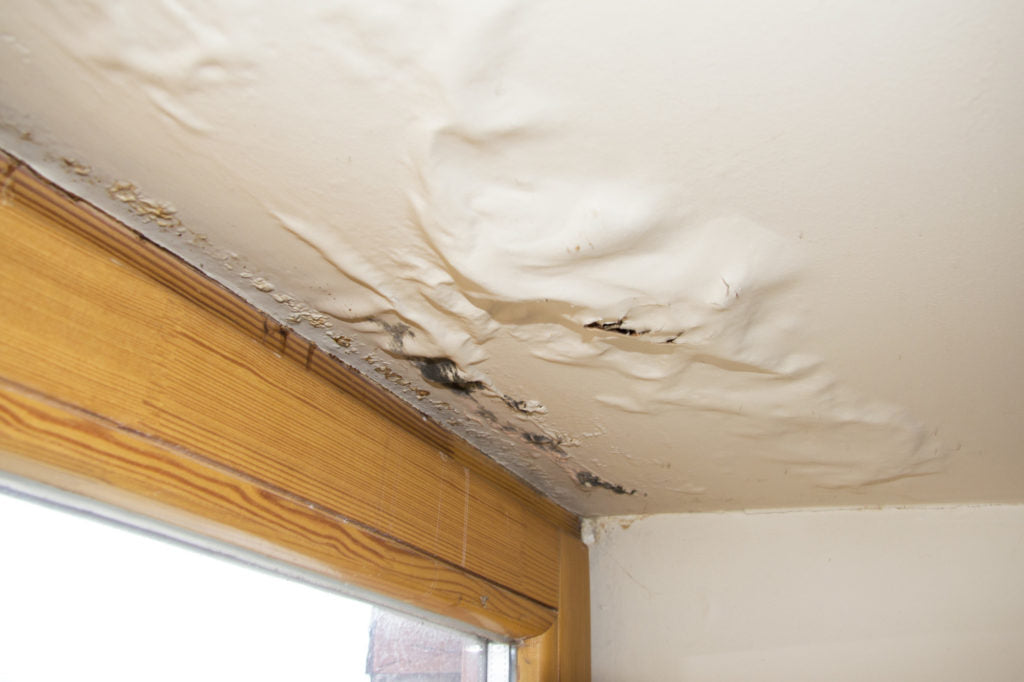
When water enters your home unexpectedly, it can lead to more than just visible messes. Moisture can seep into hidden spaces, creating the perfect environment for bacteria, mold, and other contaminants. To restore your living space to a safe and healthy condition, following the right water damage sanitation procedures is essential. Acting quickly and methodically helps prevent long-term health risks and structural issues.
Whether the cause is a burst pipe, heavy rain, or appliance malfunction, knowing how to properly clean and sanitize after water intrusion can make all the difference. This article outlines the most effective steps, safety tips, and best practices to ensure your home is thoroughly cleaned and protected from future problems.
Water-related incidents can also impact indoor air quality and encourage mold growth. For more details on these risks, see our guide on water damage and indoor air quality.
Why Proper Cleanup Is Critical After Water Intrusion
Water entering your home can do more than just damage floors and walls. It can introduce contaminants, promote mold growth, and compromise the safety of your living environment. Without thorough sanitation after water damage, you risk lingering odors, health hazards, and even structural deterioration. Quick action and adherence to proven cleaning protocols are vital for minimizing these risks.
Common sources of water intrusion include:
- Flooding from storms or heavy rainfall
- Burst or leaking pipes
- Overflowing appliances (washing machines, dishwashers, etc.)
- Sewage backups
Each scenario may require slightly different cleaning methods, but the overarching goal is to remove moisture, disinfect affected areas, and restore your home to a safe condition.
Step-by-Step Guide to Water Damage Sanitation Procedures
Following a systematic approach ensures that all contaminants are addressed and your home is safe for occupancy. Here’s a detailed breakdown of the key steps:
1. Ensure Safety Before Entering the Area
Before starting any cleanup, make sure the area is safe. Turn off electricity to affected zones, especially if water has reached outlets or appliances. Wear protective gear such as gloves, boots, and masks to avoid exposure to bacteria and chemicals.

2. Remove Standing Water Quickly
Use pumps, wet/dry vacuums, or buckets to extract as much water as possible. The faster you remove standing water, the less likely it is for mold and bacteria to develop. Pay special attention to carpets, padding, and porous materials, which can retain moisture and become breeding grounds for microbes.
3. Dispose of Unsalvageable Items
Some items, especially those that are porous like mattresses, upholstered furniture, and certain building materials, may not be salvageable after significant water exposure. Remove these items promptly to prevent further contamination and facilitate drying.
4. Clean and Disinfect All Surfaces
After removing water and debris, thoroughly clean all affected surfaces. Use soap and water for initial cleaning, followed by a disinfectant approved for household use. Pay extra attention to:
- Floors and baseboards
- Walls (up to the water line and slightly above)
- Cabinets and shelving
- Any nonporous furniture or fixtures
For more in-depth advice on safe cleanup, see our resource on water damage mold removal basics.
5. Dry the Area Thoroughly
Proper drying is a cornerstone of effective water damage sanitation procedures. Use fans, dehumidifiers, and open windows (weather permitting) to circulate air and remove moisture. Check hidden areas such as behind walls, under flooring, and inside cabinets for lingering dampness.

6. Prevent Mold and Odors
Mold can begin to grow within 24–48 hours of water exposure. Apply mold inhibitors to cleaned surfaces and monitor the area for musty odors or visible growth. If you notice persistent issues, consult a professional for further remediation. Learn more about the connection between water and mold in our article on water damage and mold growth.
Special Considerations for Different Types of Water Damage
Not all water-related incidents are the same. The source of the water determines the level of contamination and the necessary response:
- Clean water: From broken pipes or rainwater. Still requires prompt action but is less hazardous.
- Gray water: From appliances or sinks. May contain chemicals or microorganisms.
- Black water: From sewage or floodwaters. Highly contaminated and requires professional intervention.
For black water situations, it’s best to call certified restoration professionals, as improper handling can pose serious health risks.
Tips for Preventing Future Water Damage
While accidents happen, some preventive measures can reduce your risk of future incidents:
- Regularly inspect plumbing and appliances for leaks
- Maintain gutters and downspouts to direct water away from your home
- Seal cracks in your foundation and exterior walls
- Install water alarms or automatic shut-off valves
Spotting early signs of trouble can save you time and money. For more on identifying hidden issues, check out this comprehensive guide to spotting water damage in buildings.
When to Call in the Professionals
While many minor incidents can be handled with DIY methods, certain situations require expert help. Seek professional assistance if:
- The affected area is larger than 10 square feet
- Water has been present for more than 24 hours
- Sewage or contaminated water is involved
- You notice persistent mold, odors, or structural damage
Professionals have the training and equipment to ensure complete sanitation and restoration, reducing the risk of future complications.
Frequently Asked Questions
How soon should I start cleaning after water enters my home?
Begin cleanup as soon as it’s safe to do so. The longer water sits, the greater the risk of mold, bacteria, and structural damage. Ideally, start within the first 24 hours.
What household products can I use to disinfect after water damage?
Common disinfectants like bleach (diluted), hydrogen peroxide, or commercial antibacterial cleaners are effective for most nonporous surfaces. Always follow label instructions and ensure proper ventilation.
Is it safe to keep carpets and upholstered furniture after water exposure?
If these items were soaked by clean water and dried within 24–48 hours, they may be salvageable. However, if exposed to contaminated water or left damp for longer, it’s safer to dispose of them to prevent mold and bacteria growth.
Can water damage affect my home’s air quality?
Yes, lingering moisture can promote mold and bacteria, which impact air quality. It’s important to dry all areas thoroughly and monitor for musty odors or visible mold.
Will insurance cover the cost of water damage cleanup?
Coverage varies depending on your policy and the cause of the damage. For tips on maximizing your claim, see our article on water damage reimbursement tips.
By following these best practices for water damage sanitation procedures, you can restore your home to a safe and healthy state, minimize long-term risks, and gain peace of mind after an unexpected water event.