
Water Damage and Allergies: Symptoms and Solutions
· Ethan Williams
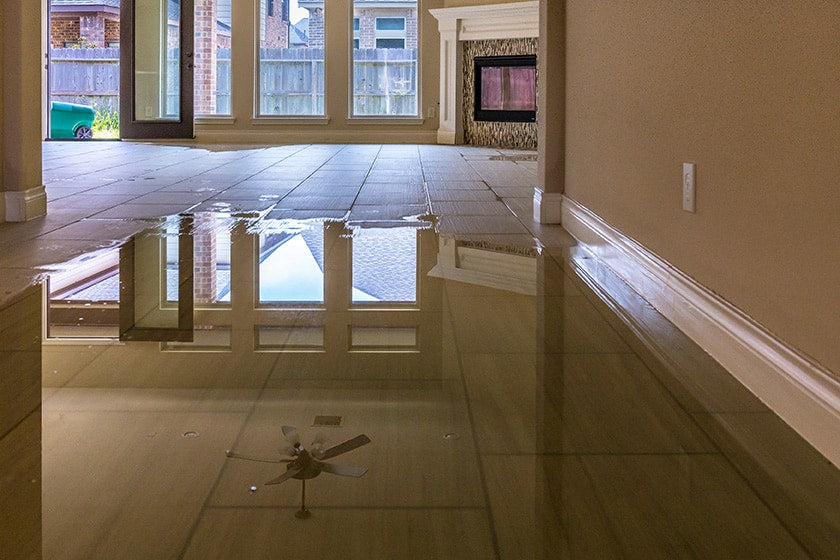
Moisture problems in homes and buildings can lead to a range of health issues, especially for those sensitive to allergens. When water intrudes into indoor spaces—whether from leaks, floods, or high humidity—it creates an ideal environment for mold, bacteria, and dust mites. These contaminants often trigger or worsen allergic reactions, making it crucial to understand the link between water damage and allergies.
Recognizing the signs of moisture-related problems and knowing how to address them can help protect your health and your property. This article explores how exposure to water-damaged environments can affect your well-being, the most common symptoms to watch for, and practical solutions to minimize risks.
For a deeper understanding of how moisture issues can impact your health, you may also want to review our guide on health effects of water damage. This resource covers additional risks and long-term consequences associated with indoor dampness.
How Water Damage Triggers Allergic Reactions
When excess moisture enters a building, it can quickly lead to the growth of mold and the proliferation of dust mites—both of which are known allergens. Mold spores and fragments become airborne and are easily inhaled, especially when disturbed by cleaning or movement. Dust mites thrive in damp environments, feeding on organic matter and producing waste particles that can trigger allergies.
In addition to these biological contaminants, water-damaged materials may also release volatile organic compounds (VOCs) and other irritants. These substances can exacerbate respiratory issues and make allergy symptoms worse, particularly for children, older adults, and those with pre-existing conditions.
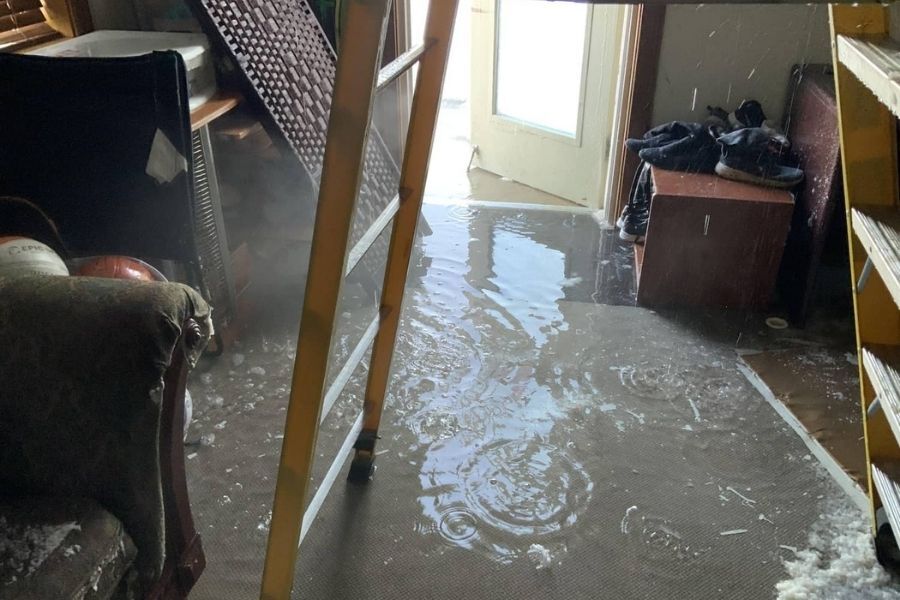
Understanding the connection between water damage and allergies helps homeowners and property managers take prompt action to minimize exposure and prevent long-term health effects.
Common Symptoms Linked to Moisture Problems
Exposure to allergens and irritants from damp or water-damaged environments can cause a variety of symptoms. These may range from mild discomfort to more severe health issues, depending on individual sensitivity and the extent of contamination.
- Nasal congestion and sneezing: Persistent stuffiness, runny nose, and frequent sneezing are typical signs of allergic reactions to mold or dust mites.
- Watery or itchy eyes: Red, irritated eyes often occur when airborne allergens are present indoors.
- Coughing and throat irritation: Breathing in mold spores or VOCs can lead to a dry cough, scratchy throat, or even hoarseness.
- Wheezing and shortness of breath: Those with asthma or respiratory sensitivities may experience worsening symptoms in damp environments.
- Skin rashes: Direct contact with contaminated surfaces can cause itching, redness, or eczema-like reactions.
- Fatigue and headaches: Chronic exposure to mold and VOCs has been linked to ongoing tiredness and frequent headaches.
If you notice these symptoms worsening at home or in a specific building, it may be a sign of underlying moisture issues. For more details on the types of contaminants found in water-damaged environments, see our article on water damage contamination risks.
Identifying Hidden Moisture and Mold
Not all signs of water intrusion are obvious. While visible stains, peeling paint, or a musty odor can indicate a problem, moisture can also hide behind walls, under floors, or within HVAC systems. Early detection is key to preventing the spread of allergens and minimizing costly repairs.
Some indicators of concealed moisture include:
- Unexplained increases in allergy symptoms when indoors
- Persistent musty smells, especially after rain or high humidity
- Warped or buckling flooring
- Discoloration or soft spots on walls and ceilings
- Condensation on windows or pipes
For a more comprehensive look at how to spot hidden problems, check out this guide to signs of water damage in walls. It provides practical tips for homeowners to identify issues before they escalate.
Effective Solutions for Allergy Prevention
Addressing moisture problems promptly is the most effective way to reduce allergen exposure and protect your health. Here are some practical steps to take if you suspect or discover water intrusion in your home:
- Remove standing water: Use pumps, wet vacuums, or absorbent materials to eliminate pooled water as soon as possible.
- Dry affected areas thoroughly: Open windows, use fans, and run dehumidifiers to bring humidity levels below 50%.
- Dispose of contaminated materials: Porous items like carpets, drywall, and insulation that cannot be fully dried should be removed to prevent mold growth.
- Clean and disinfect: Hard surfaces should be scrubbed with detergent and water, then disinfected to kill lingering mold spores and bacteria. For guidance, refer to our article on water damage sanitation procedures.
- Inspect for hidden damage: Check behind walls, under flooring, and in HVAC systems for signs of moisture or mold.
- Repair leaks and improve ventilation: Fix plumbing issues, roof leaks, and ensure bathrooms and kitchens are well-ventilated to prevent future problems.
If mold growth is extensive or if you have ongoing allergy symptoms despite cleaning, consider consulting a professional remediation service. They have the expertise and equipment to safely remove contaminants and restore indoor air quality.
Long-Term Strategies to Reduce Allergy Risks
Preventing moisture problems before they start is the best way to protect your home and your health. Here are some proactive measures to consider:
- Regularly inspect your roof, gutters, and plumbing for leaks.
- Use exhaust fans in bathrooms and kitchens to reduce humidity.
- Maintain indoor humidity between 30–50% with a dehumidifier if necessary.
- Clean and replace HVAC filters regularly to trap allergens.
- Store items in dry, well-ventilated areas and avoid carpeting in basements or bathrooms.
For more on how moisture can lead to mold and how to prevent it, see our resource on water damage and mold growth. Early intervention and routine maintenance are essential for keeping allergens at bay.
FAQ
What are the most common signs of allergy symptoms caused by water damage?
The most frequent symptoms include nasal congestion, sneezing, itchy or watery eyes, coughing, and skin irritation. People with asthma may notice increased wheezing or shortness of breath. If these symptoms worsen indoors or after water events, moisture problems may be the cause.
How quickly can mold grow after a water leak?
Mold can begin to develop within 24 to 48 hours of water exposure, especially in warm and humid conditions. Fast action is critical to prevent growth and reduce the risk of allergic reactions.
Can I clean up water damage myself, or do I need a professional?
Small, contained spills can often be managed with prompt drying and cleaning. However, if the affected area is large, if mold is visible, or if you have persistent allergy symptoms, it's best to consult a professional. They can ensure thorough remediation and help prevent future problems.