
Understanding Water Damage Contamination Risks (Category 1-3)
· Ethan Williams
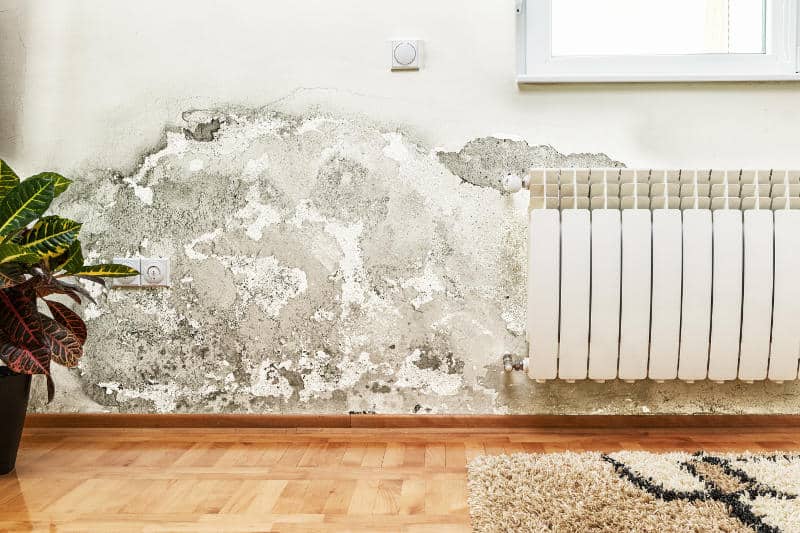
Water intrusion in homes and buildings can lead to a range of health and safety concerns, especially when it comes to contamination. The risks associated with water damage are not all the same—understanding the different levels of contamination is essential for effective cleanup and protecting your property and health. The Institute of Inspection Cleaning and Restoration Certification (IICRC) classifies water damage into three categories, each with its own set of hazards and recommended responses.
This article explores the differences between Category 1, 2, and 3 water incidents, the dangers they pose, and the steps you can take to minimize exposure and prevent escalation. Whether you’re dealing with a minor leak or a major flood, knowing the contamination level helps you make informed decisions about restoration and safety. For those looking for detailed cleaning protocols, you may also want to review water damage sanitation procedures for a clean home.
Categories of Water Damage and Their Contamination Levels
Not all water damage is created equal. The IICRC’s three-category system helps property owners and restoration professionals assess the severity of contamination and determine the appropriate response. Here’s a breakdown of each category and why it matters for water damage contamination risks:
| Category | Description | Common Sources | Risks |
|---|---|---|---|
| Category 1 | Clean water with minimal contamination | Burst pipes, rainwater, appliance leaks | Low risk if addressed quickly |
| Category 2 | Gray water with significant contamination | Dishwasher/washing machine overflows, sump pump failures | May cause illness if ingested or contacted |
| Category 3 | Black water with severe contamination | Sewage backups, flooding from rivers or sea, toilet overflows | Serious health hazards, requires professional cleanup |
Category 1: Clean Water Events
Incidents in this group involve water that originates from a sanitary source and poses little immediate threat to human health. Examples include broken supply lines, tub or sink overflows (with no contaminants), or rainwater infiltration. While the initial contamination risk is low, time is a critical factor—if left unaddressed, clean water can become contaminated by contact with building materials, dust, or microbial growth.
Key points to remember about Category 1:
- Quick action is essential to prevent escalation to Category 2 or 3.
- Drying and cleaning can often be performed safely by property owners if the area is small and manageable.
- Personal protective equipment (PPE) is still recommended, especially if there’s any doubt about water source purity.
Category 2: Gray Water and Its Hazards
Gray water refers to water that contains a significant degree of chemical, biological, or physical contaminants. This can result from appliance overflows, sump pump failures, or water that has picked up soil and debris. Exposure to gray water can cause discomfort or illness, especially if ingested or if it comes into contact with skin or mucous membranes.

Important considerations for Category 2 incidents:
- Prompt removal and disinfection are crucial to limit health risks.
- Soft furnishings, carpets, and porous materials exposed to gray water may need to be discarded.
- Professional assessment is recommended, especially for larger areas or if the water has been standing for more than 24–48 hours.
Gray water can quickly deteriorate to Category 3 if not handled swiftly, increasing the potential for mold and bacteria. For more on how quickly mold can develop after water exposure, see how quickly mold grows after water damage.
Category 3: Black Water and Severe Contamination
This is the most dangerous category, involving water that is grossly contaminated with pathogens, toxins, or hazardous chemicals. Sources include sewage backups, flooding from rivers or seawater, and water from toilets containing feces. Contact with black water can result in severe illness or infection, and all affected materials must be treated as hazardous waste.
Key steps for managing black water incidents:
- Evacuate affected areas and avoid any direct contact with contaminated water.
- Engage certified restoration professionals for cleanup and decontamination.
- Remove and safely dispose of all porous materials, including drywall, insulation, and carpeting.
- Thoroughly disinfect all remaining surfaces and monitor for mold growth.
Attempting to clean up Category 3 water without proper training and equipment can expose you to serious health hazards. For safe cleanup strategies, consult resources like water damage mold removal basics.
Health Risks Associated with Water Damage Contamination
The dangers of contaminated water go beyond visible stains or odors. Microorganisms such as bacteria, viruses, and fungi thrive in moist environments, and exposure can lead to respiratory problems, skin infections, gastrointestinal issues, and even long-term health effects. Mold is a particular concern, as it can begin growing within 24–48 hours of water exposure and release spores that aggravate allergies and asthma.
Some common symptoms linked to waterborne contaminants include:
- Coughing, sneezing, or difficulty breathing
- Skin rashes or irritation
- Nausea, vomiting, or diarrhea
- Headaches and fatigue
Children, the elderly, and those with weakened immune systems are especially vulnerable. For more on prevention and timelines, see water damage and mold growth.
How to Identify and Respond to Water Damage Contamination
Early detection and response are crucial for minimizing water damage contamination risks. Here are some practical steps to follow:
- Identify the source of water and stop the flow if possible.
- Assess the color, odor, and clarity of the water—cloudy or foul-smelling water is likely contaminated.
- Remove standing water quickly, but avoid contact if the contamination level is uncertain.
- Ventilate the area and use dehumidifiers to reduce moisture.
- Discard porous materials that cannot be thoroughly cleaned.
- When in doubt, consult a professional restoration service.
For a detailed checklist of warning signs, refer to this comprehensive guide to water damage indicators.
Prevention Tips to Minimize Contamination Risks
While not all water emergencies can be avoided, there are steps you can take to reduce the likelihood of contamination and limit damage:
- Regularly inspect plumbing, appliances, and roofing for leaks or wear.
- Install sump pumps and backflow valves in flood-prone areas.
- Keep gutters and downspouts clear to direct water away from the foundation.
- Act quickly at the first sign of moisture or leaks to prevent escalation.
- Maintain good ventilation and humidity control to discourage mold growth.
For those navigating insurance claims, understanding the type of water damage can also impact reimbursement. See water damage reimbursement tips for maximizing your payout.
Frequently Asked Questions
What are the main differences between Category 1, 2, and 3 water damage?
Category 1 involves clean water from sanitary sources, Category 2 contains significant contaminants (gray water), and Category 3 is highly contaminated (black water) from sources like sewage or floodwaters. Each level requires different cleanup protocols and poses distinct health risks.
How quickly does mold grow after water exposure?
Mold can begin to develop within 24–48 hours of water intrusion, especially in warm, humid environments. Prompt drying and dehumidification are essential to prevent mold growth and related health problems.
Can I clean up contaminated water damage myself?
Small Category 1 incidents may be manageable for property owners, but gray and black water events should be handled by professionals. Improper cleanup can expose you to harmful pathogens and result in further property damage.
What should I do if I suspect water damage contamination in my home?
Stop the water source, avoid contact with contaminated water, ventilate the area, and contact a restoration professional for assessment and remediation. Discard any materials that cannot be thoroughly cleaned and disinfected.