
Effective Water Damage Repair Methods for Every Home
· Ethan Williams

Water intrusion is a common problem in homes, whether from burst pipes, roof leaks, or natural disasters. Left untreated, moisture can cause structural issues, promote mold growth, and damage personal belongings. Understanding the most reliable water damage repair methods is essential for homeowners who want to restore their property safely and efficiently.
This guide covers practical steps for addressing moisture-related problems, from initial assessment to thorough restoration. You'll learn how to identify the extent of the damage, select the right repair strategies, and prevent future issues. For more specific advice on restoring particular areas, such as repairing floors after water damage, be sure to consult dedicated resources.
Recognizing Water Damage and Its Impact
Before you can apply any water damage repair methods, it's crucial to recognize the signs of moisture intrusion. Early detection helps minimize further harm and reduces restoration costs. Common indicators include:
- Discoloration or staining on walls and ceilings
- Warped or buckling floors
- Peeling paint or wallpaper
- Musty odors
- Visible mold growth
For a deeper understanding of how to spot these warning signals, refer to this guide on recognizing the signs of water damage. Prompt identification allows you to act quickly and limit the scope of repairs needed.
Initial Steps: Assessment and Safety Precautions
Once you notice water-related issues, the first step is to assess the situation and ensure safety. Here are the recommended actions:
- Turn off electricity in affected areas to prevent electrical hazards.
- Stop the source of water if possible, such as shutting off the main valve or fixing a leaking appliance.
- Document the damage for insurance purposes by taking photos and notes.
- Wear protective gear like gloves, boots, and masks, especially if there's a risk of contamination.
Safety should always come first. If the water is contaminated (such as from sewage), or if structural integrity is compromised, it's best to contact professionals immediately.

Drying and Moisture Removal Techniques
Effective water damage repair methods always start with thorough drying. Removing excess moisture quickly helps prevent mold and further deterioration. Here are some proven techniques:
- Use wet/dry vacuums to extract standing water from floors and carpets.
- Deploy fans and dehumidifiers to circulate air and reduce humidity levels.
- Open windows and doors to enhance ventilation, weather permitting.
- Remove soaked materials like rugs, furniture, and insulation to dry separately or discard if unsalvageable.
For large-scale incidents or persistent dampness, professional-grade drying equipment may be necessary. It's important to monitor moisture levels with a meter to ensure all affected areas are completely dry before proceeding to repairs.
Cleaning, Disinfection, and Mold Prevention
Once the area is dry, cleaning and disinfecting are vital steps in the restoration process. Water can carry bacteria, chemicals, and other contaminants. Follow these guidelines:
- Clean all surfaces with soap and water to remove dirt and debris.
- Disinfect using EPA-approved products to kill bacteria and viruses.
- Inspect for mold in hidden areas such as behind walls, under flooring, and inside cabinets.
- Dispose of porous materials like drywall and insulation if mold is present, as they are difficult to clean thoroughly.
For a detailed approach to sanitizing after a leak or flood, consult a water damage disinfecting guide. Preventing mold is especially important, as it can cause health issues and further property damage.
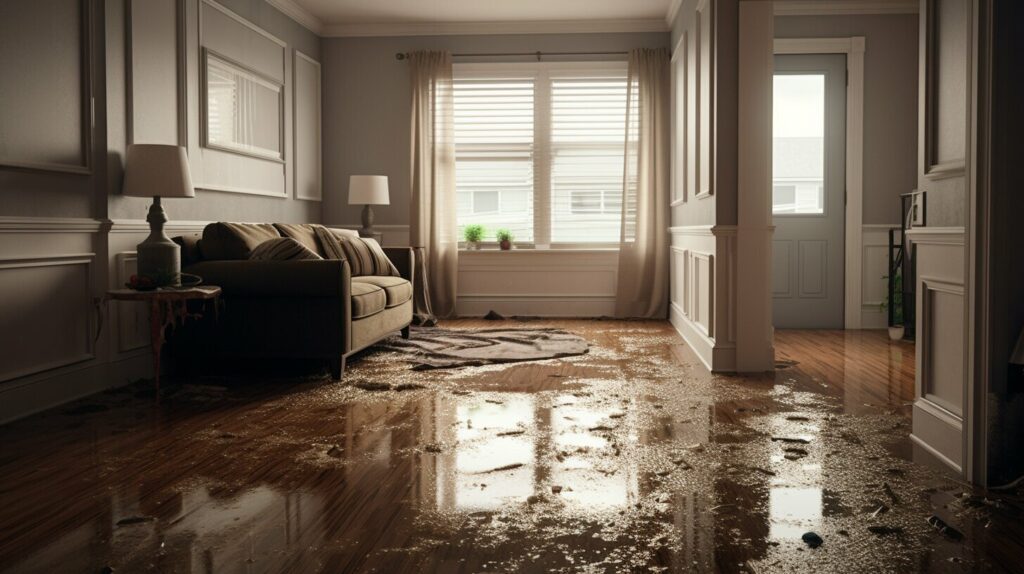
Repairing and Restoring Damaged Materials
After cleaning and drying, it's time to address structural and cosmetic repairs. The extent of restoration depends on the severity of the incident and the materials affected. Common tasks include:
- Replacing drywall and insulation that cannot be salvaged
- Repairing or refinishing hardwood floors that have warped or buckled
- Painting or sealing walls and ceilings to restore appearance and prevent future moisture intrusion
- Reinstalling baseboards, trim, and fixtures after repairs are complete
Some repairs, such as repairing ceilings after water damage, may require specialized skills or professional help. Always ensure that the underlying structure is dry and free of mold before rebuilding.
Preventing Future Water Damage
Prevention is a key part of any comprehensive water damage repair methods strategy. By addressing vulnerabilities, you can reduce the risk of future incidents. Consider the following measures:
- Regularly inspect roofs, gutters, and downspouts for leaks or blockages
- Seal windows and doors to prevent rainwater intrusion
- Maintain plumbing systems and fix leaks promptly
- Install sump pumps and backflow valves in flood-prone areas
- Monitor indoor humidity and use dehumidifiers as needed
Staying proactive helps protect your home and reduces the likelihood of costly repairs down the line. It's also wise to be aware of the health effects of water damage and take steps to safeguard your family's well-being.
When to Call a Professional
While many minor incidents can be managed by homeowners, some situations require expert intervention. Contact a restoration specialist if:
- The affected area is extensive or involves multiple rooms
- There's significant mold growth or contamination
- Structural elements like beams or foundations are compromised
- You are unsure about the safety of electrical systems
Professionals have the tools and experience to handle complex repairs and ensure your home is safe for occupancy.
Frequently Asked Questions
How quickly should I start repairs after discovering water damage?
It's best to begin the drying and repair process within 24 to 48 hours of discovering moisture. Prompt action helps prevent mold growth and limits structural damage.
Can I repair water damage myself, or should I hire a professional?
Small, contained incidents can often be managed by homeowners using the right water damage repair methods. However, if the damage is widespread, involves contaminated water, or affects structural components, it's safer to hire a professional restoration service.
What are the health risks of untreated water damage?
Untreated moisture can lead to mold growth, which may cause respiratory issues, allergies, and other health problems. For more details, see this resource on water damage and allergies.