
Repairing Ceilings After Water Damage: DIY or Pro?
· Ethan Williams
Ceiling leaks and stains are among the most stressful issues for homeowners. When water finds its way above your head, it can quickly lead to unsightly marks, sagging drywall, and even hidden mold. Deciding whether to tackle repairing ceilings after water damage yourself or call in a professional is a choice that impacts your home's safety, appearance, and long-term value. This article breaks down the signs of ceiling water damage, the steps for both DIY and professional repairs, and how to make the best decision for your situation.
Before you start scraping, painting, or cutting into your ceiling, it's crucial to understand the risks and requirements of each approach. Water-damaged ceilings can hide more serious problems, including structural issues and health hazards like mold. For a deeper dive into the health implications, you might want to review the health effects of water damage and how to protect your household.

Recognizing the Signs of Ceiling Water Damage
Spotting water damage early can save you time and money. Some of the most common indicators include:
- Discoloration: Brown, yellow, or copper stains often signal moisture above the ceiling.
- Sagging or bubbling: Waterlogged drywall or plaster may droop or form bubbles.
- Peeling paint: Moisture causes paint to lose adhesion and flake away.
- Musty odors: Persistent dampness can lead to mold growth, which smells earthy or stale.
- Visible mold: Dark spots or fuzzy patches are a clear sign of fungal growth.
Understanding the common causes of water damage—such as roof leaks, plumbing failures, or condensation—can help you address the root problem before repairing ceilings after water damage.
DIY Ceiling Repair: When and How to Tackle It Yourself
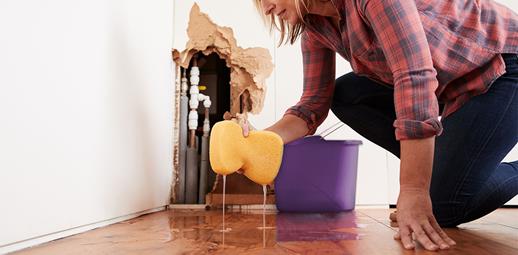
Many homeowners are tempted to fix water-damaged ceilings on their own, especially for minor stains or small leaks. DIY repairs can be cost-effective and satisfying if the damage is limited and the source of moisture has been resolved. Here are the steps to follow:
- Identify and stop the source: Before any repair, ensure the leak is fixed. Otherwise, new damage will occur.
- Dry the area thoroughly: Use fans and dehumidifiers to remove all moisture. This step is crucial to prevent mold.
- Remove damaged material: Cut out any sagging, crumbling, or moldy drywall. Wear a mask and gloves for safety.
- Treat for mold: If you see mold, clean the area with a solution of water and detergent or a commercial mold remover.
- Patch the ceiling: Install new drywall or plaster, tape the seams, and apply joint compound. Sand smooth once dry.
- Prime and paint: Use a stain-blocking primer before repainting to prevent water marks from bleeding through.
DIY is best suited for small, isolated spots where the underlying structure is still sound. If you notice extensive damage, recurring leaks, or signs of contamination, it’s time to consider professional help.
Professional Ceiling Restoration: When to Call the Experts
Some situations demand the skills and equipment of a qualified contractor. Professional restoration is recommended when:
- The affected area is large (more than a few square feet).
- There is visible or suspected mold growth.
- The ceiling is sagging, cracked, or at risk of collapse.
- Electrical wiring or insulation is exposed or wet.
- You’re unsure about the source or extent of the water damage.
Experts use moisture meters, industrial dryers, and specialized cleaning agents to ensure the ceiling is safe, dry, and free from contaminants. They can also assess for hidden issues, such as compromised framing or insulation, that a DIYer might miss. For more on the risks of contaminated water, see this guide on water damage contamination risks.
Comparing Costs: DIY vs. Professional Ceiling Repair
Cost is a major factor in deciding how to proceed. Here’s a general comparison:
| Repair Type | Estimated Cost | Typical Scope |
|---|---|---|
| DIY | $20–$200 | Small stains, minor drywall patching, painting |
| Professional | $300–$2,000+ | Large areas, structural repairs, mold remediation |
DIY repairs save on labor but require time, tools, and a willingness to get messy. Pros bring expertise and guarantee the work, but at a higher price. Weigh the risks and benefits carefully—cutting corners on safety or quality can cost more in the long run.
Health and Safety Considerations in Water-Damaged Ceilings
Water-damaged ceilings can harbor hidden hazards. Mold spores, bacteria, and even asbestos (in older homes) may be present. Prolonged exposure can trigger allergies, asthma, or other respiratory issues. For more information on how water damage can affect your health, see this article on water damage and respiratory issues.
If you notice persistent musty smells, unexplained health symptoms, or visible mold, do not attempt repairs without proper protection. In these cases, professional remediation is the safest option.
Preventing Future Water Damage to Ceilings
Once you’ve addressed the immediate problem, take steps to prevent a repeat:
- Inspect your roof and attic regularly for leaks or missing shingles.
- Keep gutters and downspouts clear to direct water away from your home.
- Check plumbing fixtures and pipes for drips or corrosion.
- Use exhaust fans in bathrooms and kitchens to reduce humidity.
- Address any condensation or ventilation issues promptly.
Routine maintenance and vigilance are your best defense against future ceiling issues. For more on keeping your home safe and clean after leaks, explore water damage sanitation procedures.
FAQ: Ceiling Water Damage and Restoration
How do I know if my ceiling water damage is serious?
Signs of serious damage include large stains, sagging drywall, persistent leaks, or visible mold. If the ceiling feels soft, crumbles to the touch, or you notice a musty odor, the problem may be more than cosmetic. In these cases, a professional assessment is recommended to rule out structural or health risks.
Can I just paint over a water stain on my ceiling?
Painting over a stain without fixing the source of moisture will only provide a temporary solution. The stain will likely reappear, and hidden mold could develop. Always address the leak, dry the area thoroughly, and use a stain-blocking primer before repainting.
Is it safe to repair a water-damaged ceiling myself?
DIY repairs are safe for small, dry, and isolated spots where there is no mold or structural damage. Always wear protective gear and ensure the area is completely dry. If you’re unsure about the extent of the damage or notice mold, electrical issues, or sagging, it’s best to hire a professional.
How long does it take for a ceiling to dry after water damage?
Drying time depends on the extent of the damage and the materials involved. With proper ventilation and dehumidification, minor areas may dry in 24–48 hours. Larger or more saturated sections can take several days or longer. Ensure the ceiling is fully dry before making repairs to prevent mold growth.
What are the health risks of leaving water-damaged ceilings untreated?
Untreated water damage can lead to mold growth, which may cause allergies, respiratory problems, and other health issues. Bacteria and other contaminants can also thrive in damp environments. Prompt repair and thorough drying are essential to protect your health and your home.