
Repairing Cabinets After Water Damage: Restoring Your Kitchen
· Ethan Williams
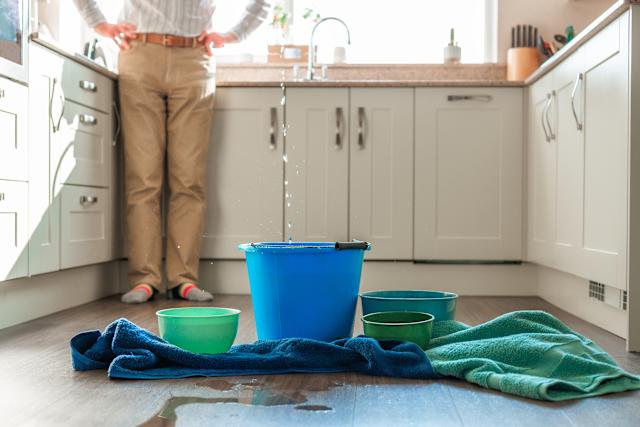
Water exposure can quickly turn sturdy kitchen cabinets into a source of stress for homeowners. Whether caused by a leaking pipe, overflowing sink, or a major flood, moisture can warp wood, swell particleboard, and create the perfect environment for mold. Repairing cabinets after water damage is a crucial step in restoring both the functionality and appearance of your kitchen. Acting quickly and following the right process can help you salvage your cabinetry and prevent further complications.
This guide covers how to assess the extent of the damage, the best methods for drying and cleaning, and practical repair or replacement options. If you’re also dealing with other affected areas, you may find it helpful to review related resources like repairing water damaged hardwood floors for a comprehensive approach to home restoration.
Identifying the Extent of Cabinet Water Damage
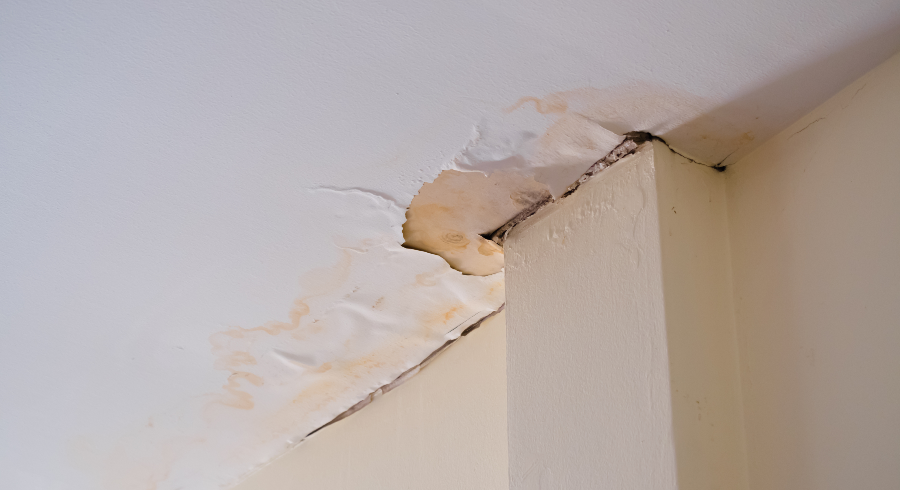
Before starting any repairs, it’s essential to evaluate how much harm has occurred. Water can affect cabinets in several ways, from minor surface stains to severe structural issues. Look for these common signs:
- Swelling or warping of doors, shelves, or cabinet boxes
- Discoloration, bubbling, or peeling of finishes
- Soft spots or crumbling areas, especially in particleboard or MDF
- Visible mold or mildew growth
- Persistent musty odors
Cabinets made from solid wood often withstand moisture better than those constructed from particleboard or MDF. However, even solid wood can warp or split if left wet for too long. If you notice widespread mold or significant structural compromise, professional remediation may be necessary. For more on recognizing water issues in other parts of the home, see this guide to signs of water damage in walls.
Drying Out Cabinets and Preventing Mold Growth
Once you’ve identified the affected areas, the next step is to remove all moisture as quickly as possible. Prompt drying is critical to prevent mold and further deterioration. Here’s how to approach this stage:
- Remove cabinet contents and any nearby items to allow air circulation.
- Open cabinet doors and drawers fully.
- Use towels to blot up standing water.
- Set up fans and dehumidifiers to accelerate drying. If possible, direct airflow into the cabinets themselves.
- For severe cases, consider removing cabinet doors and drawers to dry separately.
- Check for moisture behind and beneath cabinets, as water can seep into hidden areas.
If you notice mold, clean affected surfaces with a mixture of water and mild detergent. For persistent or extensive mold, consult a professional and refer to a water damage disinfecting guide for safety tips.
Assessing Whether to Repair or Replace Cabinets
After drying, inspect your cabinets to determine if they can be salvaged or if replacement is the better option. Consider these factors:
- Material type: Solid wood is more repairable than particleboard or MDF, which often swells and loses integrity after water exposure.
- Extent of damage: Minor warping or finish damage can often be fixed, while severe swelling, delamination, or mold may require replacement.
- Cost and time: Sometimes, the labor and materials required for extensive repairs may approach or exceed the cost of new cabinets.
If only doors or drawer fronts are damaged, replacing these components can be a cost-effective solution. For widespread structural issues, full cabinet replacement may be necessary.
Step-by-Step Guide to Cabinet Restoration
For cabinets that are structurally sound, follow these steps to restore their appearance and function:
- Remove hardware (handles, hinges) and doors for easier access.
- Sand down any warped or rough areas once dry. Use medium-grit sandpaper for best results.
- Apply wood filler to cracks or gouges, then sand smooth after it dries.
- Prime and repaint or refinish the cabinet surfaces. Choose a water-resistant paint or finish for added protection.
- Replace any damaged hardware or hinges.
- Reinstall doors and drawers once all surfaces are fully dry and cured.
For cabinets with veneer or laminate surfaces, carefully glue down any loose areas and clamp until set. If the veneer is extensively bubbled or peeling, replacement may be the only viable option.

Tips for Preventing Future Water Damage
Once your cabinets are restored, take steps to avoid repeat problems:
- Regularly check plumbing under sinks for leaks or drips.
- Seal gaps between countertops and cabinets with caulk to block water intrusion.
- Install water alarms in high-risk areas for early detection.
- Wipe up spills promptly and avoid letting water pool near cabinet bases.
- Consider using water-resistant finishes or materials for future upgrades.
Proactive maintenance can help you avoid the hassle and expense of future repairs. If you’re dealing with water damage in other parts of your home, you might also want to explore resources on repairing drywall after water damage or repairing water damaged carpet for a holistic recovery plan.
When to Call a Professional
While many minor cabinet repairs are suitable for DIY, some situations require expert help:
- Extensive mold growth or persistent odors
- Structural instability or severe warping
- Water damage affecting electrical wiring or appliances
- Uncertainty about the extent of hidden moisture
Professionals have the tools and experience to safely remove mold, dry hidden areas, and restore or replace cabinetry as needed. Don’t hesitate to seek help if you’re unsure about tackling the job yourself.
Frequently Asked Questions
How can I tell if my kitchen cabinets are too damaged to repair?
If cabinets are severely swollen, crumbling, or have widespread mold, they may not be salvageable. Particleboard and MDF cabinets often lose structural integrity after significant water exposure. If the cabinet box is soft or falling apart, replacement is usually the best option.
What’s the best way to dry cabinets after a leak?
Remove all items, open doors and drawers, and use fans and dehumidifiers to circulate air. For stubborn moisture, remove doors and drawers to speed up drying. Always address the source of the leak first to prevent further water intrusion.
Can I just paint over water stains on my cabinets?
Painting over stains without proper preparation can lead to peeling and poor adhesion. Sand the affected area, treat any mold, and use a stain-blocking primer before repainting. For best results, ensure the cabinet is completely dry before applying any finish.
Are there any long-term risks if I don’t repair water-damaged cabinets?
Yes, ignoring cabinet water damage can lead to mold growth, structural failure, and even pest infestations. Addressing the issue promptly helps maintain a healthy kitchen environment and protects your investment.
Conclusion
Restoring kitchen cabinets after moisture exposure requires a careful assessment, thorough drying, and the right repair techniques. By acting quickly and following the steps outlined here, you can often save your cabinetry and prevent more costly problems down the line. For more comprehensive home recovery strategies, you may want to explore water damage repair methods for every home.