
The Ultimate Foundation Waterproofing Guide for Homeowners
· Ethan Williams

Protecting your home's foundation is one of the most important steps you can take to ensure long-term structural stability and prevent costly repairs. Moisture intrusion can lead to a range of problems, from mold growth and musty odors to severe structural damage. This foundation waterproofing guide is designed to help homeowners understand the causes of water issues, explore effective solutions, and make informed decisions about safeguarding their property.
Whether you're dealing with a damp basement, visible cracks, or simply want to prevent future problems, understanding the basics of waterproofing is essential. Early action can save you time, money, and stress by stopping water damage before it starts. For those seeking additional tips, our article on basement waterproofing tips offers further insights into keeping your home dry and secure.
Why Foundation Waterproofing Matters
Water infiltration is a leading cause of foundation problems in residential properties. When moisture seeps through cracks or porous materials, it can weaken concrete, rot wooden supports, and create an environment ripe for mold and mildew. Over time, this can compromise the safety and value of your home. A comprehensive foundation waterproofing guide helps you identify risks and implement solutions tailored to your specific situation.
Common signs of water issues include:
- Persistent dampness or puddles in the basement or crawl space
- Efflorescence (white, chalky residue) on walls
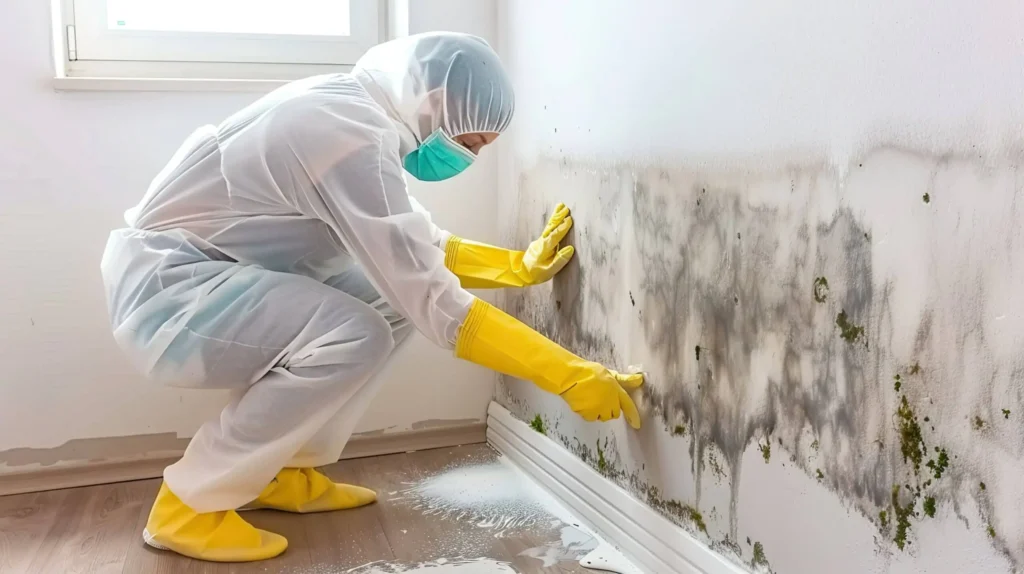
- Musty odors or visible mold growth
- Cracks in foundation walls or floors
- Warped or damaged flooring above the foundation
Addressing these warning signals promptly can prevent more serious structural damage and health concerns down the line.
Understanding the Causes of Water Intrusion
Before you can effectively waterproof your foundation, it's important to understand how and why water enters your home. The most common sources include:
- Poor drainage: Improper grading or clogged gutters can direct rainwater toward your foundation.
- Hydrostatic pressure: Water in the soil around your home exerts pressure on foundation walls, forcing moisture through cracks and joints.
- Cracks and gaps: Even small openings in concrete or masonry can allow water to seep inside.
- Plumbing leaks: Broken pipes or faulty sump pumps can introduce additional moisture into the foundation area.
For a deeper dive into the root causes of water damage, you may find this comprehensive overview of water damage causes helpful.
Key Methods for Foundation Waterproofing
There are several effective strategies for keeping your foundation dry. The right approach depends on your home's construction, climate, and the severity of existing issues. This section of the foundation waterproofing guide covers both interior and exterior solutions.
Exterior Waterproofing Techniques
- Excavation and membrane application: This involves digging around the foundation and applying a waterproof membrane or coating to the exterior walls. It's highly effective but can be labor-intensive and costly.
- Drainage systems: Installing French drains or weeping tiles helps redirect water away from the foundation. Proper grading of soil and extending downspouts are also crucial steps.
- Sealants: High-quality sealants can be applied to exterior walls to block moisture, but they are best used in conjunction with other methods.
Interior Waterproofing Solutions
- Interior sealants: These products are applied to basement walls and floors to create a moisture barrier. They are most effective for minor dampness or as a secondary line of defense.
- Sump pumps: A sump pump collects and removes water that accumulates in a sump basin, preventing flooding during heavy rains.
- Vapor barriers: Installing a vapor barrier on basement walls or crawl space floors can help control humidity and prevent condensation.
Regular Maintenance and Inspection
Even the best waterproofing systems require ongoing attention. Inspect your foundation regularly for new cracks, signs of moisture, or changes in drainage patterns. Clean gutters and downspouts, and ensure landscaping slopes away from your home. Proactive maintenance is a key part of any foundation waterproofing guide.
Choosing the Right Products and Professionals
Not all waterproofing products are created equal. When selecting materials, look for those specifically designed for below-grade use and proven to withstand hydrostatic pressure. If your home has a history of severe water problems, or if you're unsure about the best approach, consulting a professional can provide peace of mind and ensure the job is done right.
When hiring a contractor, consider the following:
- Check references and reviews from previous clients.
- Verify licensing, insurance, and warranties offered.
- Request a detailed written estimate outlining the scope of work.
- Ask about the long-term maintenance requirements of any installed systems.
For DIY enthusiasts, many products are available at home improvement stores, but always follow manufacturer instructions closely and prioritize safety.
Preventing Future Water Damage
Once your foundation is properly waterproofed, ongoing vigilance is essential. Here are some additional steps to reduce the risk of future problems:
- Keep gutters and downspouts clear of debris to ensure proper water flow.
- Monitor landscaping to prevent soil from accumulating against foundation walls.
- Seal any new cracks promptly to prevent moisture intrusion.
- Consider installing a backup sump pump or battery system in areas prone to power outages.
For more advice on avoiding water-related issues, see our guide on how to prevent basement water damage.
Frequently Asked Questions
How do I know if my foundation needs waterproofing?
Common indicators include persistent dampness, visible cracks, musty odors, and signs of mold or efflorescence on basement walls. If you notice any of these, it's wise to investigate further and consider waterproofing solutions.
Is interior or exterior waterproofing better?
Both methods have their advantages. Exterior waterproofing is generally more effective for severe water intrusion, as it stops moisture before it enters the home. Interior solutions are suitable for minor dampness or as a secondary defense. In many cases, a combination of both offers the best protection.
Can I waterproof my foundation myself?
Many homeowners tackle minor waterproofing projects, such as applying sealants or installing vapor barriers. However, extensive work—like exterior membrane installation or drainage system upgrades—often requires professional expertise and equipment.
Conclusion
Protecting your home's foundation from water damage is a crucial investment in its longevity and safety. By understanding the causes of moisture problems and following the strategies outlined in this foundation waterproofing guide, you can keep your property dry, healthy, and structurally sound for years to come. Regular maintenance, prompt repairs, and informed product choices are your best defense against the costly consequences of water intrusion.