
Proactive Pipe Maintenance to Avoid Water Damage Costs
· Ethan Williams
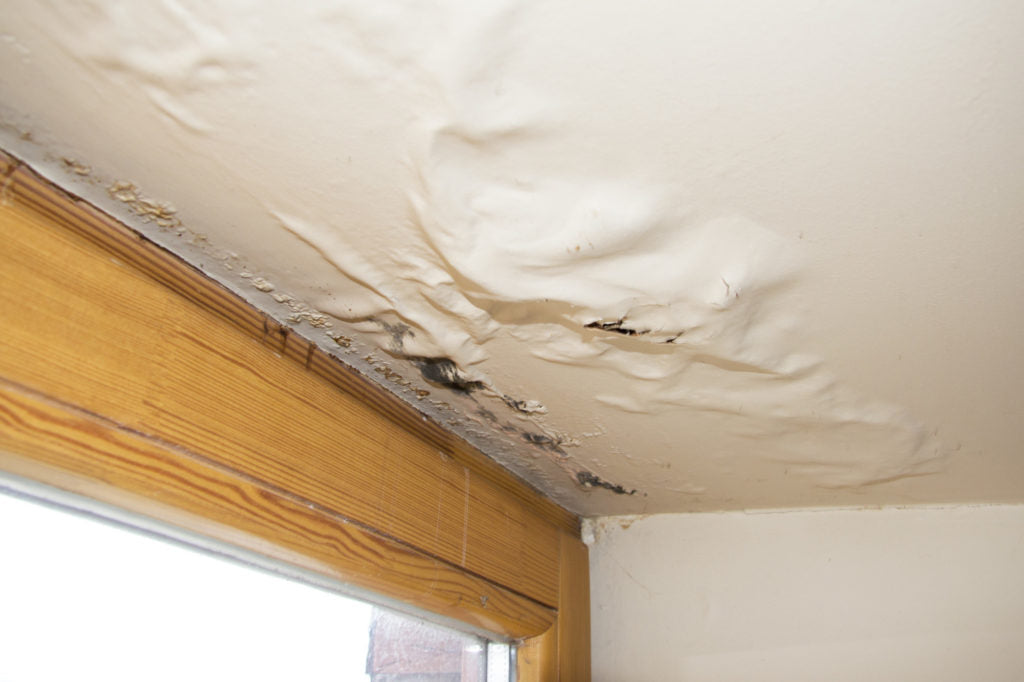
Water damage is one of the most expensive and disruptive issues homeowners and property managers can face. Leaking or burst pipes can quickly lead to structural problems, mold growth, and costly repairs. By prioritizing pipe maintenance to avoid water damage, you can significantly reduce the risk of unexpected disasters and save money in the long run. This article explores practical strategies for keeping your plumbing system in optimal condition, helping you prevent leaks and the headaches they cause.
Understanding how routine inspections, timely repairs, and simple preventive measures can protect your property is essential for anyone who wants to avoid the financial and emotional toll of water-related incidents. Alongside plumbing care, don't overlook related areas—such as gutter maintenance and water damage prevention—to create a comprehensive defense against moisture intrusion.
Why Preventive Plumbing Care Matters
Many property owners only think about their pipes when a problem arises. However, the cost of emergency repairs and water damage restoration can far exceed the investment in regular upkeep. Proactive pipe maintenance to avoid water damage not only extends the lifespan of your plumbing but also protects your home’s foundation, flooring, and personal belongings from harm.
Water leaks often start small and go unnoticed until significant damage has occurred. By the time stains appear on walls or ceilings, or you notice a musty odor, the underlying issue may already be severe. Early detection and intervention are key to minimizing both repair costs and disruption to your daily life.
Common Causes of Pipe-Related Water Damage
Understanding the typical sources of plumbing failures can help you target your maintenance efforts more effectively. Here are some of the most frequent culprits:
- Corrosion: Over time, metal pipes can corrode, especially if your water is acidic or contains high mineral content.
- Freezing Temperatures: In cold climates, water inside pipes can freeze and expand, causing cracks or bursts.
- High Water Pressure: Excessive pressure puts undue stress on joints and fittings, increasing the risk of leaks.
- Clogs and Blockages: Accumulated debris, grease, or foreign objects can cause backups and eventual pipe failure.
- Poor Installation or Aging Materials: Substandard workmanship or outdated plumbing can lead to premature breakdowns.
Addressing these issues through regular inspections and timely upgrades is a vital part of any water damage prevention plan.

Essential Pipe Maintenance Tasks for Water Damage Prevention
Implementing a routine maintenance schedule is the most effective way to safeguard your property. Consider these essential steps:
- Inspect Regularly: Check exposed pipes under sinks, in basements, and in crawl spaces for signs of moisture, rust, or mineral buildup. Pay attention to unusual noises, such as banging or whistling, which can indicate pressure issues.
- Monitor Water Pressure: Use a pressure gauge to ensure your system operates within the recommended range (typically 40–60 psi for residential properties). Install a pressure regulator if needed.
- Insulate Pipes: In colder regions, wrap pipes with insulation sleeves to prevent freezing. Focus on areas that are unheated or exposed to drafts.
- Address Leaks Promptly: Even minor drips can escalate into major problems. Repair leaks as soon as they’re discovered to prevent further deterioration.
- Flush the System: Periodically flush your pipes to remove sediment and mineral deposits, especially if you have hard water.
- Upgrade Aging Plumbing: Replace outdated materials like galvanized steel or polybutylene with modern alternatives such as PEX or copper.
By staying proactive, you can avoid the inconvenience and expense of water emergencies.
Recognizing Early Signs of Plumbing Issues
Spotting warning signs early can make all the difference in preventing costly repairs. Watch for these indicators:
- Unexplained increases in your water bill
- Visible stains or discoloration on walls, ceilings, or floors
- Persistent dampness or musty odors
- Reduced water pressure or inconsistent flow
- Sounds of running water when fixtures are off
If you notice any of these symptoms, investigate further or consult a professional plumber. For more tips on identifying moisture problems, see this guide to spotting water damage in buildings.

How Pipe Maintenance Connects to Broader Water Damage Prevention
While keeping your pipes in good condition is crucial, it’s only one part of a holistic approach to moisture management. For example, clogged gutters or poor drainage can also contribute to leaks and flooding inside your home. Pairing regular plumbing care with strategies like how to prevent basement water damage and maintaining your roof and foundation will provide the best protection.
Additionally, if you ever experience a water incident, knowing how to respond quickly—such as shutting off the main valve and contacting restoration experts—can limit the extent of the damage. Don’t forget to check your insurance policy to ensure you’re covered for potential plumbing failures.
Professional vs. DIY: When to Call an Expert
Some maintenance tasks, like checking for leaks or insulating pipes, can be handled by most homeowners. However, more complex issues—such as persistent low pressure, recurring clogs, or signs of hidden leaks—may require a licensed plumber’s expertise. Professionals have specialized tools to detect problems behind walls or underground, and they can recommend long-term solutions that go beyond temporary fixes.
Attempting major repairs without the right skills can lead to further damage or even void your insurance coverage. When in doubt, invest in a professional inspection to ensure your plumbing system is safe and reliable.
Additional Resources for Water Damage Recovery
If you’re dealing with the aftermath of a leak, you may need guidance on restoring affected areas. For example, you can learn about repairing laminate flooring after water damage or explore best practices for repairing tile floors after water damage. These resources can help you minimize costs and restore your home to its original condition.
For ongoing protection, consider reviewing basement waterproofing tips to keep your lower levels dry and safe year-round.
Frequently Asked Questions
How often should I inspect my plumbing system?
It’s recommended to visually inspect exposed pipes and fixtures at least twice a year. Schedule a professional inspection every 2–3 years, or more frequently if your home is older or you’ve experienced previous leaks.
What are the most common signs of a hidden pipe leak?
Look for unexplained spikes in your water bill, damp spots on walls or ceilings, musty odors, and the sound of running water when no fixtures are in use. Early detection is key to preventing extensive water damage.
Can I prevent frozen pipes without professional help?
Yes, you can insulate exposed pipes with foam sleeves, keep cabinet doors open during cold snaps to allow warm air to circulate, and let faucets drip slightly to keep water moving. For severe weather or hard-to-reach areas, consult a plumber for additional solutions.
Conclusion
Taking a proactive approach to pipe maintenance to avoid water damage is one of the smartest investments you can make in your property. By combining regular inspections, timely repairs, and a broader focus on moisture control, you can prevent costly disasters and enjoy greater peace of mind. Don’t wait for a leak to remind you of the importance of plumbing care—start your maintenance routine today and protect your home for years to come.