
Repairing Laminate Flooring After Water Damage Successfully
· Ethan Williams
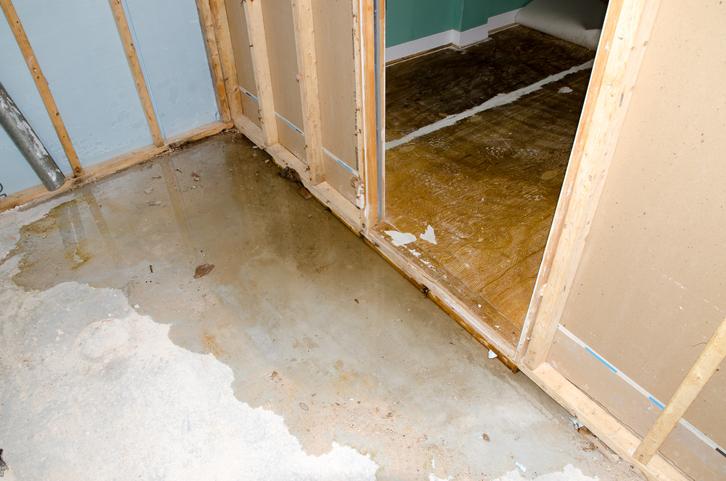
Laminate flooring is a popular choice for many homeowners due to its durability, affordability, and attractive appearance. However, when exposed to moisture, even the best laminate can suffer significant issues. Swelling, warping, and discoloration are common problems after a water incident. Understanding the right steps for repairing laminate flooring after water damage can help restore your floors and prevent further complications.
This guide will walk you through the essential process of assessing, drying, and restoring your laminate floors after they've been exposed to water. Whether the damage is from a minor spill or a major leak, acting quickly and following proven techniques is key to a successful outcome. For those concerned about broader home protection, you may also find value in these basement waterproofing tips to help prevent future water issues.
Identifying the Extent of Moisture Damage
Before starting any repairs, it’s crucial to determine how much of your laminate flooring has been affected. Signs of water damage include:
- Boards that are swollen, buckled, or lifting at the edges
- Visible discoloration or staining
- Soft spots or a spongy feel underfoot
- Mold or mildew odors
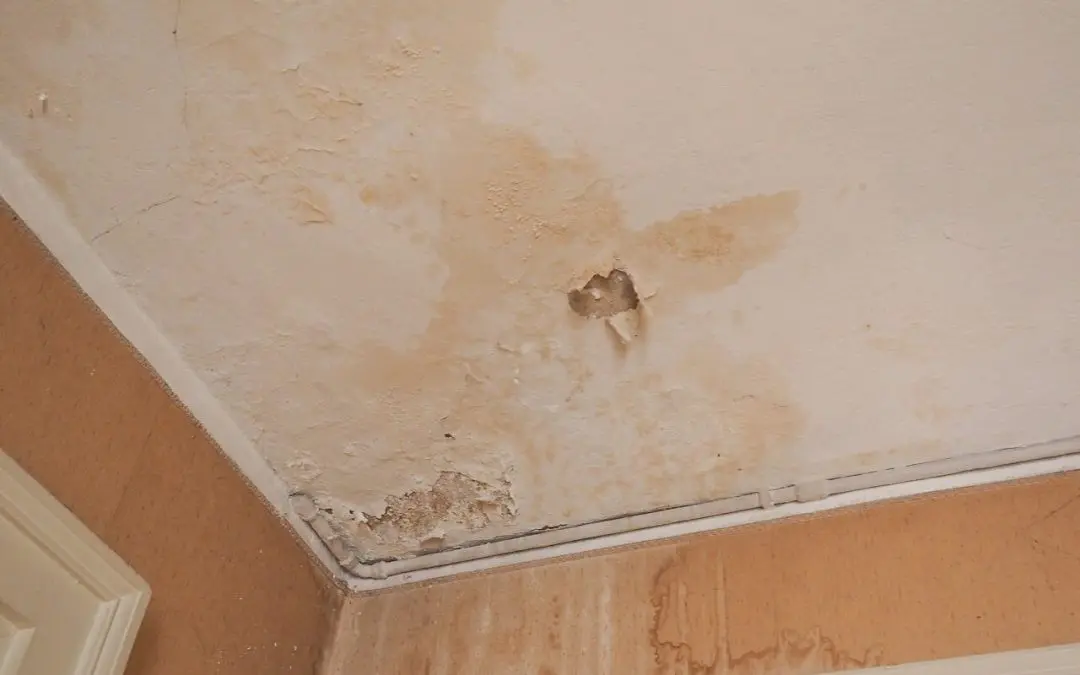
Assessing the situation thoroughly will help you decide whether you can salvage the existing boards or if replacement is necessary. If you’re unsure whether the damage is recent or has been developing over time, consider reviewing how to distinguish between new and old water damage for additional guidance.
Immediate Steps to Minimize Further Harm
Acting quickly is essential when dealing with water on laminate floors. Here’s what you should do right away:
- Remove standing water: Use towels, a wet/dry vacuum, or a mop to soak up as much water as possible.
- Move furniture: Take out all furniture and rugs from the affected area to prevent further absorption and allow for thorough drying.
- Increase airflow: Open windows and doors, and use fans or dehumidifiers to speed up the drying process.
- Check for hidden moisture: Inspect under baseboards and at the edges of the flooring for trapped water.
These steps help reduce the risk of mold growth and further deterioration of the floor and subfloor.
Drying and Salvaging Laminate Planks
Once the immediate threat is under control, focus on drying the area completely. Laminate is particularly sensitive to moisture, and even small amounts can cause lasting damage. Here’s how to approach this stage:
- Continue dehumidification: Run dehumidifiers for at least 24–48 hours to remove residual moisture from the air and flooring.
- Lift affected boards: If possible, carefully remove damaged planks to allow the subfloor to dry. Most laminate floors are floating and can be unclicked and lifted without tools.
- Inspect the subfloor: Ensure the subfloor is completely dry before reinstalling or replacing boards. Any lingering dampness can lead to mold or structural issues.
If only a few boards are affected and have not warped, you may be able to dry and reuse them. Severely swollen or separated planks, however, will need to be replaced.

Replacing Damaged Laminate Boards
If drying is not enough, replacing the affected boards is often the best solution. Here’s a step-by-step process for swapping out damaged planks:
- Remove baseboards: Gently pry off the baseboards around the perimeter to access the edges of the laminate flooring.
- Disassemble the floor: Starting from the nearest wall, unclick and lift the boards until you reach the damaged area.
- Replace with matching planks: Install new boards, ensuring the locking mechanism is secure and the pattern matches the existing floor.
- Reinstall baseboards: Once all boards are in place, reattach the baseboards to finish the repair.
Keep extra planks from your original installation for just such repairs. If you don’t have spares, try to match the color and pattern as closely as possible.
Preventing Future Water Issues
After restoring your laminate floors, it’s wise to take steps to avoid similar problems in the future. Here are some effective prevention tips:
- Use area rugs or mats in high-risk areas like kitchens and entryways
- Wipe up spills immediately to prevent seepage
- Maintain plumbing and appliances to avoid leaks
- Consider installing moisture barriers under laminate in basements or bathrooms
For more comprehensive strategies, you might want to explore advice on how to prevent basement water damage in your home.
When to Call a Professional
While many minor water incidents can be managed with DIY repairs, severe or widespread damage may require professional help. Contact a flooring specialist if:
- The subfloor is saturated or mold is present
- Large sections of laminate are warped or buckled
- You’re unsure how to safely remove or reinstall boards
Professionals have the tools and experience to ensure a thorough restoration and can help prevent long-term issues.
Related Restoration Topics
If you’re dealing with water problems in other parts of your home, you may also find these resources helpful:
- repairing tile floors after water damage
- repairing wood damage from water
- repairing cabinets after water damage
Frequently Asked Questions
Can swollen laminate flooring be fixed without replacing the boards?
In most cases, once laminate planks have swollen due to water, they cannot be restored to their original condition. Minor warping may sometimes be improved by thorough drying, but replacement is usually necessary for boards that have expanded or separated.
How long does it take for laminate flooring to dry after water exposure?
Drying time depends on the extent of the water and the room's ventilation. With fans and dehumidifiers, minor spills may dry in 24–48 hours. Larger leaks or floods may require several days, especially if the subfloor is wet. Always ensure everything is completely dry before reinstalling boards.
Is it possible to prevent water damage to laminate floors?
While laminate is not waterproof, you can reduce the risk by cleaning up spills quickly, using mats in wet areas, and maintaining plumbing. Installing a moisture barrier under the flooring in vulnerable areas also helps protect against future incidents.