
Managing Water Damage in Commercial Properties Effectively
· Ethan Williams

Water damage in commercial properties can disrupt business operations, lead to costly repairs, and create health hazards for occupants. Whether caused by burst pipes, roof leaks, flooding, or faulty appliances, moisture intrusion in business environments requires swift and strategic action. Understanding how to identify, address, and prevent these issues is essential for property managers, owners, and tenants alike.
Commercial buildings face unique risks compared to residential spaces, including larger plumbing systems, complex HVAC setups, and higher occupancy rates. When water problems arise, the consequences can extend beyond structural damage—impacting inventory, electronics, and even business reputation. Early detection and a proactive response are key to minimizing losses and ensuring a safe, functional workspace.
For those interested in residential scenarios, our guide on water damage in rental properties offers additional insights into managing moisture issues in different types of buildings.
Common Causes of Moisture Issues in Business Environments
Recognizing what leads to water damage in commercial properties is the first step toward effective prevention and response. Some of the most frequent culprits include:
- Plumbing Failures: Aging pipes, clogged drains, and broken fixtures can quickly release large volumes of water.
- Roof Leaks: Damaged or poorly maintained roofing allows rainwater to seep into ceilings and walls.
- Appliance Malfunctions: Water heaters, dishwashers, and HVAC units can leak due to wear and tear or faulty installation.
- Natural Disasters: Heavy rains, storms, and flooding events pose significant risks, especially in low-lying areas.
- Sprinkler System Issues: Malfunctioning fire suppression systems may discharge water accidentally or during maintenance.
The scale and complexity of these systems in commercial spaces often mean that problems can escalate quickly if not detected early.
Signs of Water Intrusion in Commercial Buildings
Early identification of moisture problems is crucial for minimizing damage and repair costs. Some warning signs to watch for include:
- Stains or discoloration on ceilings, walls, or floors
- Peeling paint, bubbling wallpaper, or warped surfaces
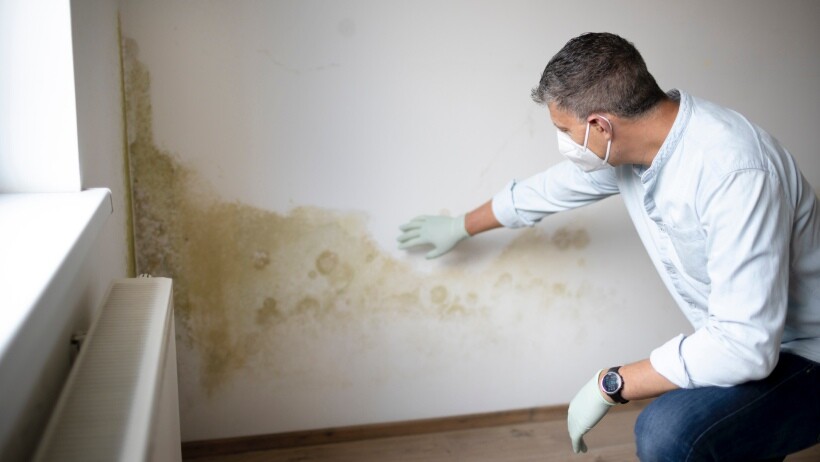
- Musty odors indicating mold or mildew growth
- Visible mold patches, especially in corners or behind equipment
- Unexplained increases in water bills
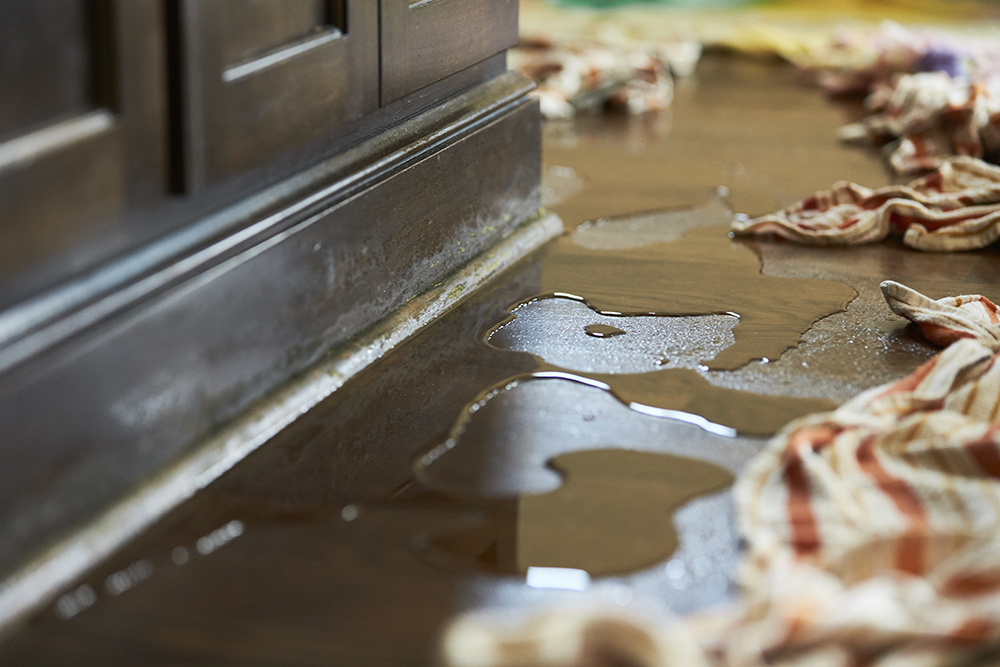
- Pooling water or damp spots in basements, storage rooms, or near appliances
If you notice any of these indicators, it's important to act quickly to prevent further deterioration and potential health risks.
Immediate Steps to Take After Discovering Water Damage
When water problems are identified, a prompt and organized response can help limit the extent of the damage. Here’s what to do:
- Ensure Safety: Turn off electricity in affected areas if safe to do so. Avoid standing water near electrical outlets or equipment.
- Stop the Source: Shut off the main water supply or isolate the leaking fixture.
- Document the Damage: Take photos and notes for insurance and restoration purposes.
- Remove Excess Water: Use pumps, wet vacuums, or mops to clear standing water.
- Ventilate and Dry: Open windows, use fans, and deploy dehumidifiers to speed up drying.
- Contact Professionals: Engage restoration experts for thorough cleanup, especially for large-scale or contaminated incidents.
Restoration and Cleanup Strategies for Business Spaces
Restoring a commercial property after water intrusion involves more than just drying out the space. A comprehensive approach should include:
- Moisture Mapping: Use moisture meters to identify hidden dampness behind walls or under flooring.
- Material Removal: Discard saturated carpets, insulation, and drywall that cannot be salvaged.
- Disinfection: Clean and sanitize all affected surfaces to prevent mold and bacteria growth.
- HVAC Inspection: Ensure air ducts and ventilation systems are free from moisture and contaminants.
- Structural Repairs: Address any compromised beams, studs, or supports to restore building integrity.
Professional restoration teams have the tools and expertise to manage these tasks efficiently, helping businesses return to normal operations faster.
Preventing Water Damage in Commercial Properties
Prevention is always more cost-effective than remediation. To reduce the risk of future incidents, consider these proactive measures:
- Regular Inspections: Schedule routine checks of plumbing, roofing, and appliances.
- Maintenance Plans: Establish protocols for cleaning gutters, servicing HVAC units, and testing sprinkler systems.
- Employee Training: Educate staff on how to spot early signs of leaks or moisture problems.
- Emergency Preparedness: Develop a clear response plan and ensure all occupants know what to do in case of water emergencies.
- Invest in Technology: Install water leak detectors and automatic shut-off valves for added protection.
For more tips on safeguarding your property, our home maintenance checklist for water damage prevention provides practical advice that can be adapted for commercial settings as well.
Understanding the Impact of Water Issues on Businesses
The consequences of moisture intrusion in business environments go beyond visible repairs. Some of the broader impacts include:
- Financial Losses: Repair costs, lost inventory, and business interruption can add up quickly.
- Health Risks: Mold and bacteria growth can cause respiratory issues and allergic reactions among occupants.
- Regulatory Compliance: Failure to address water issues may result in violations of health and safety codes.
- Reputation Damage: Persistent problems can erode trust among clients, tenants, or customers.
Being proactive about maintenance and response not only protects your investment but also supports a healthy and productive workplace.
When to Call in the Experts
While minor leaks can sometimes be handled in-house, larger or recurring issues often require professional intervention. Restoration specialists can:
- Assess the full extent of the damage using specialized equipment
- Provide thorough drying, cleaning, and mold remediation services
- Assist with insurance claims and documentation
- Recommend upgrades or repairs to prevent future incidents
For more information on what water damage can look like and how to recognize it, see this detailed guide to identifying water damage.
Frequently Asked Questions
What are the first signs of water damage in a commercial building?
Common early indicators include water stains, musty odors, peeling paint, warped flooring, and unexpected increases in water bills. Regular inspections can help catch these issues before they escalate.
How quickly should water damage be addressed in business properties?
Immediate action is crucial. The longer moisture remains, the greater the risk of structural damage and mold growth. Begin drying and cleanup as soon as possible and consult professionals for significant incidents.
Can insurance cover water damage in commercial properties?
Most commercial property insurance policies include coverage for sudden and accidental water issues, such as burst pipes. However, gradual leaks or lack of maintenance may not be covered. Review your policy details and document all incidents thoroughly.
What steps can businesses take to prevent future water issues?
Implement regular maintenance schedules, train staff to spot warning signs, invest in leak detection technology, and develop an emergency response plan. These actions help minimize risks and protect your property.
Dealing with water damage in commercial properties requires vigilance, preparation, and a clear action plan. By understanding the causes, recognizing early signs, and responding promptly, property managers and business owners can safeguard their investments and maintain a safe environment for everyone.