
How to Handle Water Damage in Rental Properties Safely
· Ethan Williams
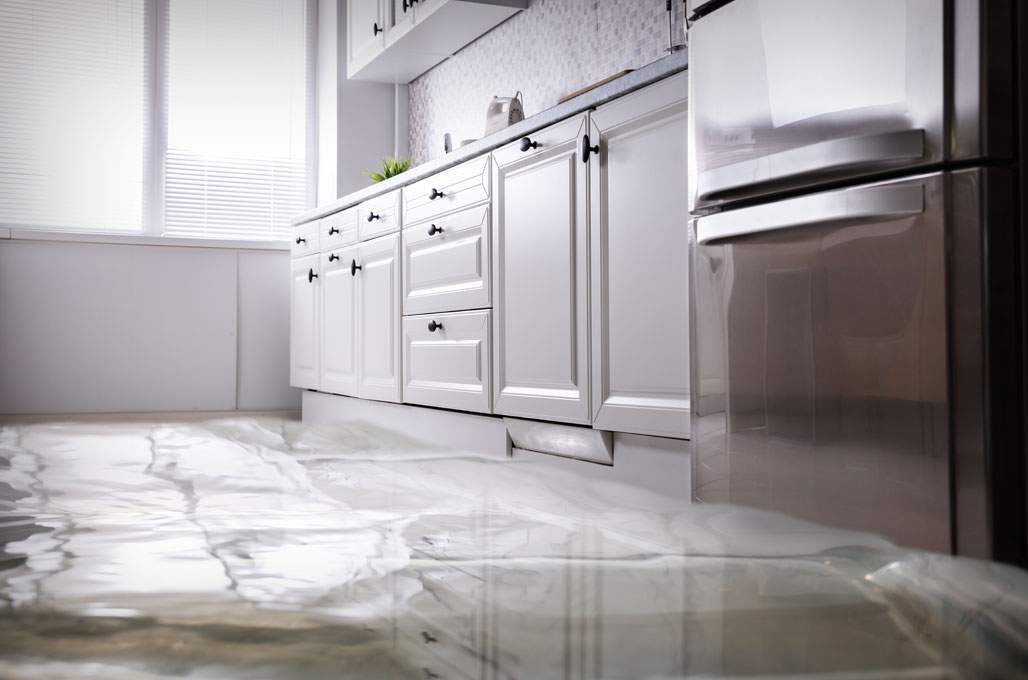
Water damage in rental properties can create significant challenges for both landlords and tenants. Whether caused by burst pipes, roof leaks, or flooding, moisture intrusion can quickly lead to structural issues, mold growth, and disputes over responsibility. Acting quickly and following safe, effective procedures is crucial to minimize property loss and health risks. This article provides a clear, step-by-step approach for addressing water-related incidents in rental units, ensuring safety, compliance, and peace of mind for all parties involved.
Proactive maintenance is one of the best ways to reduce the risk of leaks and flooding. For example, regular pipe maintenance to avoid water damage can help spot vulnerabilities before they become emergencies. However, even with preventive measures, accidents can still happen. Understanding how to respond efficiently and safely is essential for property owners and renters alike.
Recognizing the Signs of Moisture Problems in Rentals
Early detection is key to limiting the impact of water damage in rental properties. Some signs are obvious, such as standing water or visible leaks, but others are more subtle. Common indicators include:
- Discoloration or staining on ceilings, walls, or floors
- Peeling paint or wallpaper
- Musty odors, especially in basements or bathrooms
- Warped wood or buckling laminate flooring
- Mold or mildew growth, which may appear as black, green, or white patches
Tenants should report these issues immediately to landlords or property managers. Prompt communication can prevent minor leaks from escalating into major repairs.
Immediate Steps to Take After Discovering Water Damage
When water intrusion is detected, acting quickly can make a significant difference in the outcome. Here’s what to do right away:
- Ensure safety first: If electrical outlets or appliances are wet, do not touch them. Shut off the power at the breaker if safe to do so.
- Stop the source: Turn off the main water supply if the leak is from plumbing. For roof or window leaks, try to contain the flow with buckets or towels.
- Document the damage: Take clear photos and videos of affected areas and belongings. This documentation is vital for insurance and repair claims.
- Notify all relevant parties: Landlords should be contacted immediately. In multi-unit buildings, building management or maintenance teams may also need to be informed.
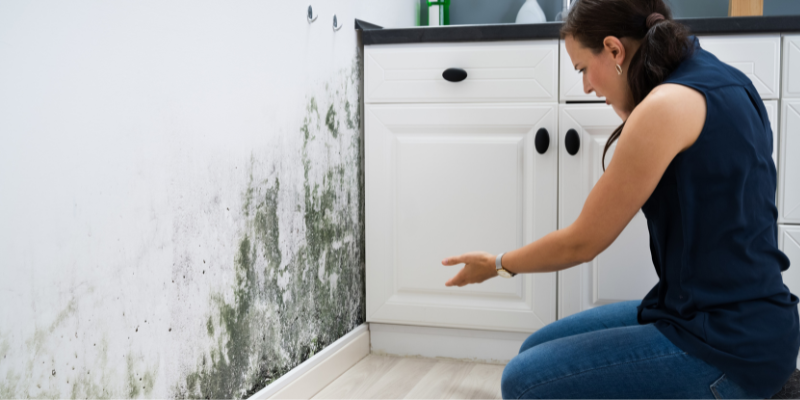
Quick action not only limits property loss but also helps avoid secondary issues such as mold, which can develop within 24-48 hours in damp environments.
Assessing the Extent of Water Intrusion
Once the immediate threat is contained, it’s important to assess how far the water has spread. This step helps determine the scope of cleanup and repairs needed. Key areas to inspect include:
- Flooring (carpet, hardwood, tile, and subfloor)
- Walls and baseboards
- Ceilings below the affected area
- Cabinetry and built-in shelving
- Hidden spaces such as behind appliances or inside closets
Professional water restoration companies use moisture meters and thermal imaging to detect hidden dampness. For minor incidents, landlords and tenants can check for softness, discoloration, or odors to identify affected areas.
Safe Cleanup and Drying Procedures
Proper cleanup is essential to prevent long-term damage and health hazards. Here’s how to approach the process safely:
- Remove standing water using wet/dry vacuums, mops, or towels. For large volumes, professional extraction may be necessary.
- Dry affected areas with fans and dehumidifiers. Open windows if weather permits to increase ventilation.
- Dispose of unsalvageable materials such as soaked carpet padding, insulation, or drywall.
- Clean and disinfect all surfaces with antimicrobial solutions to prevent mold and bacteria growth.
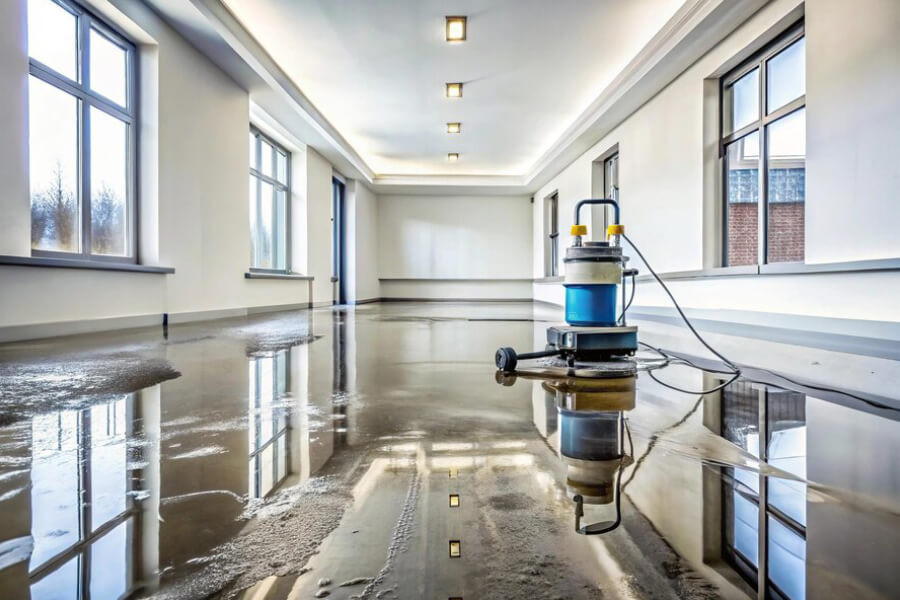
Always wear gloves, masks, and protective clothing during cleanup. If the water is contaminated (such as from sewage backups), professional remediation is strongly recommended.
Responsibilities of Landlords and Tenants
Understanding who is responsible for repairs and costs is crucial in rental situations. Generally, landlords are responsible for maintaining the property and addressing structural or plumbing issues. Tenants are expected to report problems promptly and avoid causing damage through negligence.
Lease agreements often outline these responsibilities. In some cases, renters’ insurance may cover personal property losses, while landlords’ insurance covers building repairs. Open communication and clear documentation help prevent disputes.
Preventing Future Incidents in Rental Units
Prevention is always preferable to dealing with the aftermath of leaks or floods. Here are some effective strategies:
- Schedule regular inspections of plumbing, roofs, and appliances
- Maintain gutters and downspouts to direct water away from the foundation (gutter maintenance and water damage prevention)
- Install water leak detectors and automatic shutoff valves
- Educate tenants on how to spot and report early signs of moisture problems
- Ensure proper grading and drainage around the property (drainage solutions for water damage prevention)
For more information on common causes and prevention, see this comprehensive guide to the causes of water damage.
When to Call in the Professionals
Some situations require specialized expertise. Call a certified water restoration company if:
- The affected area is larger than 10 square feet
- Water is contaminated or comes from a sewage source
- Mold is visible or suspected
- Structural elements such as beams or subfloors are saturated
- There are electrical hazards or uncertainty about safety
Professionals have the equipment and training to dry, disinfect, and restore properties safely and thoroughly, reducing the risk of recurring issues.
Frequently Asked Questions
What should tenants do first if they notice water damage?
Tenants should prioritize safety by avoiding electrical hazards, then report the issue to their landlord or property manager immediately. Documenting the damage with photos and videos is also important for insurance and repair purposes.
Who is responsible for repairing water damage in a rental property?
Typically, landlords are responsible for repairs related to the structure, plumbing, and building systems. Tenants are expected to report problems promptly and avoid causing damage through negligence. Lease agreements may specify additional details.
How can landlords prevent water damage in their properties?
Regular inspections, maintaining roofs and gutters, installing leak detectors, and educating tenants about early warning signs are effective prevention strategies. Investing in sump pump maintenance tips can also help protect basements from flooding.