
Winterizing Pipes to Prevent Water Damage and Freezing
· Ethan Williams
When temperatures drop, unprotected plumbing can quickly become a major risk for homeowners. Winterizing pipes to prevent water damage is one of the most effective ways to avoid costly repairs, burst pipes, and the headaches that come with water leaks. By taking proactive steps before the cold sets in, you can safeguard your property and maintain peace of mind throughout the winter months.
Understanding the importance of seasonal pipe protection is crucial, especially if you live in an area prone to freezing temperatures. Not only does proper preparation help prevent frozen pipes, but it also reduces the risk of hidden leaks and structural damage. For a comprehensive approach to home protection, consider referencing a home maintenance checklist for water damage prevention as part of your seasonal routine.

Why Pipe Protection Matters in Cold Weather
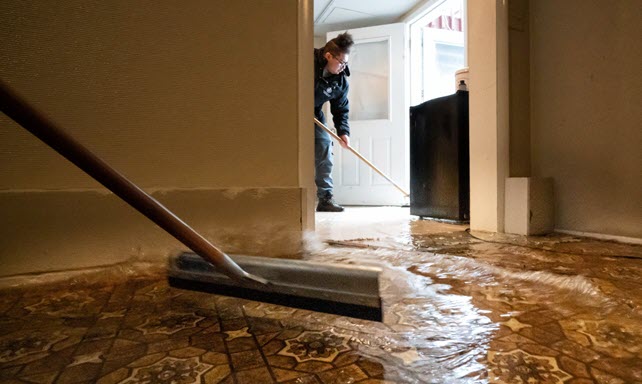
When water inside pipes freezes, it expands. This expansion puts immense pressure on both metal and plastic pipes, often resulting in cracks or complete bursts. The aftermath can be severe, leading to flooding, ruined insulation, damaged walls, and even mold growth. The cost of repairs and restoration can be substantial, making prevention a far more affordable and less stressful option.
Homes with plumbing located in unheated areas—such as basements, attics, garages, or exterior walls—are especially vulnerable. Even a brief cold snap can cause pipes in these locations to freeze and rupture. That’s why winterizing pipes to prevent water damage is a priority for responsible homeowners each fall.
Key Steps for Winterizing Pipes Effectively
Taking a systematic approach to pipe protection ensures that you don’t miss any critical areas. Here are the most important actions to take:
- Insulate Exposed Pipes: Use foam pipe insulation sleeves, heat tape, or fiberglass wraps on pipes in unheated spaces. Pay special attention to those running along exterior walls or in crawl spaces.
- Seal Gaps and Cracks: Check for openings around pipes where cold air could enter. Use caulk or expanding foam to seal gaps in walls, floors, and foundations.
- Disconnect and Drain Outdoor Hoses: Remove garden hoses, drain water from outdoor faucets, and install insulated covers on hose bibs to prevent freezing at the source.
- Keep Interior Temperatures Consistent: Maintain a minimum indoor temperature of 55°F (13°C), even when you’re away, to help prevent pipes from freezing.
- Open Cabinet Doors: In kitchens and bathrooms, open cabinet doors under sinks to allow warm air to circulate around plumbing.
- Let Faucets Drip: During extreme cold, allow a slow trickle of water to flow through vulnerable faucets. Moving water is less likely to freeze.
Common Mistakes to Avoid When Preparing Plumbing for Winter
Even with the best intentions, some homeowners overlook essential steps or make errors that can compromise their efforts. Here are a few common mistakes to watch out for:
- Neglecting Hidden Pipes: Pipes behind cabinets, in crawl spaces, or inside exterior walls are easy to forget but are often the first to freeze.
- Using Inadequate Insulation: Thin or improperly installed insulation may not provide enough protection during severe cold snaps.
- Leaving Hoses Connected: Failing to disconnect garden hoses can cause water to back up into the pipes and freeze, leading to cracks.
- Turning Off the Heat Completely: Lowering the thermostat too much or shutting off heat when away increases the risk of frozen pipes.
By being thorough and attentive, you can avoid these pitfalls and ensure your plumbing is ready for winter’s challenges.
How to Spot Signs of Water Damage and Freezing
Early detection is key to minimizing the impact of frozen or burst pipes. Watch for these warning signs:
- Reduced Water Flow: A sudden drop in water pressure may indicate a blockage caused by ice.
- Frost on Pipes: Visible frost or condensation on exposed pipes is a red flag for freezing conditions.
- Unusual Sounds: Banging, clanking, or whistling noises can signal expanding ice or water hammer from a compromised pipe.
- Water Stains or Dampness: Discoloration on walls, ceilings, or floors may point to a hidden leak.
If you notice any of these symptoms, act quickly to prevent further damage. Shutting off the main water supply and contacting a professional plumber can help limit the extent of repairs needed. For more tips on identifying water issues, see this guide to determining if you have new or old water damage.
Additional Strategies for Preventing Plumbing Issues in Winter
Beyond the basics, there are several advanced measures that can further reduce the risk of pipe-related problems during cold weather:
- Install Smart Leak Detectors: These devices alert you to leaks or unusual moisture, allowing for fast intervention.
- Upgrade to Frost-Proof Faucets: Replacing exterior spigots with frost-proof models provides extra protection against freezing.
- Consider Pipe Relocation: In older homes, rerouting pipes away from unheated areas can be a long-term solution.
- Schedule Professional Inspections: Annual plumbing checks can identify vulnerabilities before they become emergencies.
Combining these strategies with regular maintenance—such as following a gutter maintenance and water damage prevention checklist—can help keep your entire home safe from winter’s harsh effects.
What to Do If a Pipe Freezes or Bursts
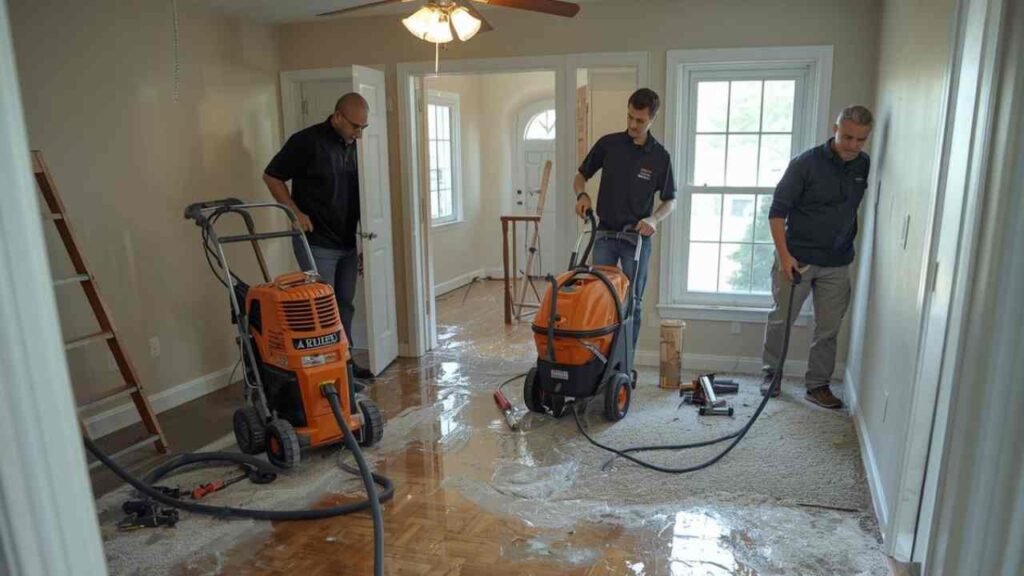
Despite your best efforts, extreme weather can sometimes cause pipes to freeze or break. If you suspect a frozen pipe, turn off the main water supply immediately to minimize flooding. Then, gently warm the affected area using a hair dryer or heating pad—never use an open flame. If a pipe has burst, contact a licensed plumber as soon as possible to assess and repair the damage.
Prompt action is essential to limit water intrusion and avoid secondary problems like mold or structural decay. Document any damage for insurance purposes and begin drying out the area as quickly as possible.
Integrating Pipe Winterization with Broader Home Protection
Protecting your plumbing is just one aspect of comprehensive home care. Pairing pipe winterization with other seasonal maintenance tasks—such as roof maintenance to prevent water damage and drainage solutions for water damage prevention—creates a robust defense against winter hazards. Regularly reviewing your home’s vulnerabilities and updating your maintenance routines ensures you’re prepared for whatever the season brings.
Frequently Asked Questions
How early should I start preparing my pipes for winter?
It’s best to begin preparations in early fall, before the first freeze is expected. This gives you ample time to inspect, insulate, and address any issues before cold weather arrives.
Can I use DIY materials to insulate pipes, or should I hire a professional?
Many homeowners successfully use foam sleeves, heat tape, and caulk for basic insulation. However, if your plumbing is complex or you’re unsure about certain areas, consulting a professional can provide added peace of mind.
What areas of my home are most at risk for frozen pipes?
Pipes located in unheated spaces—such as basements, attics, garages, and exterior walls—are most susceptible. Pay special attention to these areas when winterizing your plumbing.
Conclusion
Taking the time to winterize your pipes and prevent water damage is a smart investment in your home’s longevity and your own peace of mind. By following the steps outlined in this article and integrating them with broader maintenance strategies, you can minimize the risk of costly repairs and keep your property safe throughout the winter season.