
Professional Water Damage Restoration for Offices & Workplaces
· Ethan Williams
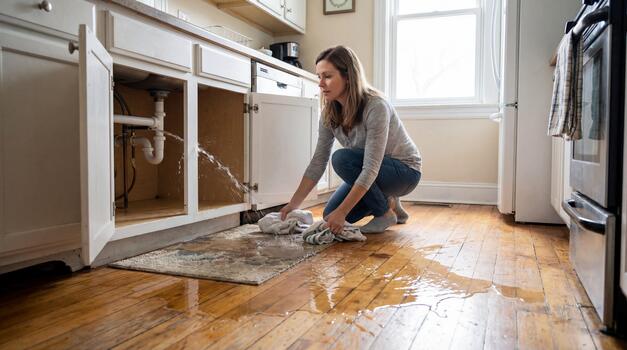
Water intrusions can disrupt business operations, damage valuable equipment, and create unsafe environments for staff and visitors. When a workplace experiences leaks, flooding, or plumbing failures, prompt and effective water damage restoration for offices is essential to minimize downtime and prevent long-term issues like mold growth or structural deterioration.
Commercial properties face unique challenges compared to residential spaces. Office layouts, sensitive electronics, and the need for uninterrupted workflow demand specialized approaches to water mitigation and recovery. Understanding the restoration process and knowing what to expect can help business owners and facility managers make informed decisions and protect their investments.
For organizations concerned about the broader impact of water incidents, it’s important to consider water damage business interruption concerns early in the process. Addressing these risks can help reduce financial losses and support a faster return to normal operations.
Common Causes of Water Intrusion in Commercial Spaces
Workplaces are vulnerable to a range of water-related problems. Some of the most frequent sources include:
- Leaking roofs during heavy rain or storms
- Burst pipes due to freezing temperatures or aging infrastructure
- Malfunctioning HVAC systems that cause condensation or overflow
- Faulty appliances such as dishwashers, water coolers, or coffee machines
- Blocked drains leading to localized flooding in restrooms or kitchens
Identifying the source quickly is crucial to limit the extent of the damage and avoid secondary issues like mold or electrical hazards.
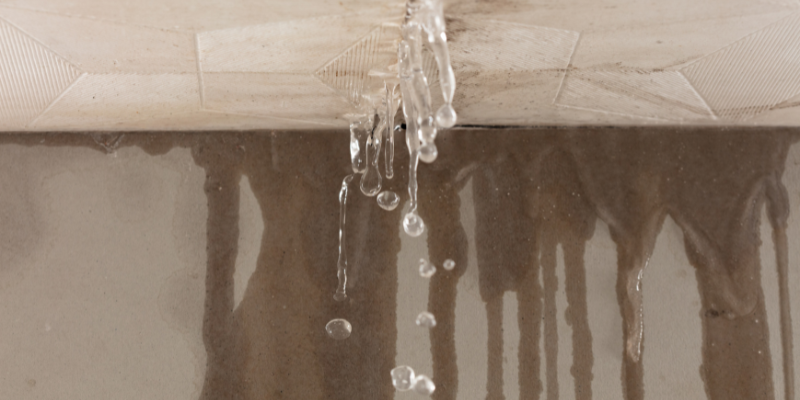
Why Immediate Action Matters in Office Water Damage Restoration
Delays in addressing water issues can lead to escalating repair costs and health risks. Moisture left untreated may seep into walls, floors, and ceilings, compromising the building’s structure and creating an environment where mold and bacteria thrive. For businesses, this can mean not only property loss but also potential liability concerns if employees or visitors are affected.
A swift response is vital. Professional restoration teams use advanced equipment to extract water, dry affected areas, and monitor moisture levels. This reduces the risk of hidden damage and ensures a thorough recovery process.
Key Steps in the Commercial Water Damage Restoration Process
The restoration of office environments after water exposure follows a systematic approach:
- Assessment and Inspection: Experts evaluate the extent of the damage, identify the water source, and develop a tailored plan for mitigation.
- Water Removal: High-powered pumps and vacuums are used to extract standing water from floors, carpets, and other surfaces.
- Drying and Dehumidification: Industrial air movers and dehumidifiers help remove residual moisture from building materials and the air.
- Cleaning and Sanitizing: All affected areas are cleaned and disinfected to prevent microbial growth and odors.
- Restoration and Repairs: Damaged drywall, flooring, or fixtures are repaired or replaced to restore the workspace to its original condition.
Throughout the process, documentation is maintained for insurance claims and compliance purposes.
Special Considerations for Office Environments
Restoring commercial properties requires attention to several unique factors:
- Business continuity: Restoration teams often work after hours or in phases to minimize disruption to daily operations.
- Data and equipment protection: Sensitive electronics, documents, and IT infrastructure must be safeguarded or relocated during cleanup.
- Health and safety: Air quality monitoring and mold remediation are prioritized to protect staff and visitors.
- Compliance: Adhering to local building codes and occupational health regulations is essential during repairs.

Preventing Future Water Damage in Workplaces
While emergencies can’t always be predicted, proactive measures can reduce the likelihood and impact of water incidents. Consider these strategies:
- Schedule regular inspections of plumbing, roofing, and HVAC systems.
- Install water detection sensors in high-risk areas like server rooms or kitchens.
- Maintain clear gutters and downspouts to direct rainwater away from the building.
- Train staff on emergency procedures and reporting protocols.
- Develop a relationship with a trusted restoration provider for rapid response.
For more tips on safeguarding properties, explore our home maintenance checklist for water damage prevention, which offers guidance applicable to both residential and commercial settings.
Choosing the Right Restoration Partner for Your Office
Selecting an experienced team for water damage restoration for offices can make a significant difference in recovery outcomes. Look for providers who:
- Are certified by industry organizations and follow best practices
- Offer 24/7 emergency services for rapid response
- Have experience with commercial properties and large-scale projects
- Provide transparent estimates and detailed documentation for insurance claims
- Communicate clearly and coordinate with your facilities or property management team
A reliable partner will help you navigate the process efficiently, minimize business interruption, and restore your workplace to a safe, functional state.
Recognizing Signs of Water Damage in Office Buildings
Early detection is key to preventing extensive damage. Common indicators include:
- Discoloration or staining on ceilings, walls, or floors
- Warped or buckling flooring materials
- Persistent musty odors, especially after rain or plumbing use
- Visible mold growth or damp spots
- Sudden increases in water bills, which may signal hidden leaks
If you notice any of these warning signs, consult a professional immediately. For more information on identifying issues, see this comprehensive guide to spotting water damage in buildings.
Frequently Asked Questions
How quickly should water damage in an office be addressed?
Immediate action is crucial. The first 24 to 48 hours are critical to prevent mold growth and structural deterioration. Contacting a professional restoration service as soon as possible helps limit damage and speeds up recovery.
Can office electronics and documents be saved after water exposure?
Many electronics and paper records can be salvaged if addressed quickly. Restoration teams use specialized drying and cleaning methods for sensitive equipment and documents, but success depends on the extent and duration of exposure.
What steps can businesses take to prepare for future water emergencies?
Regular maintenance, installing water detection systems, and having an emergency response plan in place are effective strategies. Training staff and establishing a relationship with a restoration provider can further reduce risks and ensure a swift response.