
Water Damage Business Interruption Concerns & Mitigation
· Ethan Williams

Water damage business interruption concerns are a critical issue for property owners, landlords, and business operators. When unexpected water intrusion occurs—whether from burst pipes, roof leaks, or flooding—the resulting disruption can halt operations, damage inventory, and lead to significant financial losses. Understanding the risks and implementing effective mitigation strategies is essential for minimizing downtime and safeguarding both property and income.
The impact of water-related incidents extends beyond immediate repairs. Lost revenue, ongoing expenses, and the challenge of restoring normal business activities all contribute to the complexity of recovery. By recognizing the warning signs and proactively addressing vulnerabilities, businesses can reduce the likelihood of extended interruptions and ensure a faster return to normal operations.
For those managing rental properties, it's especially important to be prepared. Our water damage in rental properties guide offers practical steps to handle emergencies safely and efficiently.
Understanding the Impact of Water Damage on Business Operations
When water intrudes into a commercial space, the consequences can be immediate and far-reaching. Business interruption due to water damage can result from a variety of sources, including plumbing failures, severe weather, or malfunctioning appliances. The effects are not limited to physical repairs; they also encompass lost productivity, delayed projects, and reputational harm.
Common scenarios include:
- Temporary closure of premises for cleanup and restoration
- Damage to equipment, inventory, or critical documents
- Displacement of staff and disruption of customer service
- Potential health hazards from mold or contaminated water
The financial impact can escalate quickly, especially if the interruption lasts several days or weeks. Insurance may cover some losses, but deductibles, exclusions, and delays in claims processing can leave businesses vulnerable.
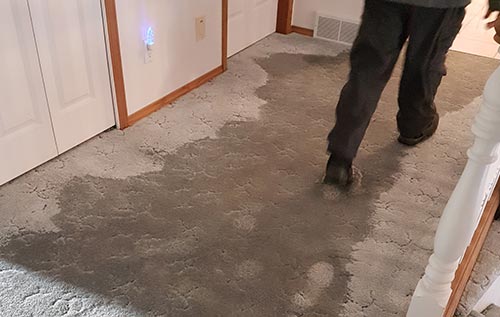
Key Causes of Water-Related Disruptions in Businesses
Several factors contribute to water damage business interruption concerns in commercial settings. Identifying these risks is the first step toward prevention:
- Plumbing Failures: Burst pipes, leaking fixtures, or faulty water heaters can release large volumes of water in a short time.
- Roof Leaks: Damaged or aging roofing materials allow rainwater to penetrate, especially during storms.
- Flooding: Natural disasters or poor drainage systems can result in water entering the building from outside.
- HVAC and Appliance Malfunctions: Air conditioning units, refrigerators, and washing machines may develop leaks or overflow.
- Human Error: Accidental overflows, improper maintenance, or neglect can also trigger water incidents.
Regular inspections and maintenance are vital to reduce the risk of unexpected water events. For seasonal threats, such as freezing temperatures, consider following a winterizing pipes to prevent water damage checklist to safeguard plumbing systems.
Recognizing Early Signs and Assessing Vulnerabilities
Detecting water issues early can make a significant difference in minimizing business interruption. Some warning signs include:
- Unexplained increases in water bills
- Visible stains or discoloration on walls and ceilings
- Musty odors indicating mold growth
- Warped flooring or bubbling paint
For a detailed overview of what to look for, review this comprehensive list of water damage indicators. Early detection allows for prompt repairs, reducing the risk of prolonged downtime and costly restoration.

Mitigation Strategies to Reduce Business Interruption Risks
Proactive measures are essential for minimizing the impact of water-related incidents. Here are several strategies to consider:
- Routine Maintenance: Schedule regular inspections of plumbing, roofing, and appliances to identify and address vulnerabilities.
- Emergency Response Plan: Develop a clear protocol for staff to follow in the event of water intrusion, including shut-off procedures and emergency contacts.
- Backup Systems: Install sump pumps, water detection alarms, and backup power sources to mitigate potential damage.
- Insurance Review: Ensure your business interruption and property insurance policies are up-to-date and provide adequate coverage for water-related events.
- Document Protection: Store critical records and inventory off the ground or in waterproof containers to prevent loss.
Adopting a home maintenance checklist for water damage prevention can also be adapted for commercial use, helping to ensure all areas of the property are regularly checked and maintained.
Responding Effectively to Water Incidents
When a water emergency occurs, a swift and organized response is crucial. Follow these steps to limit damage and restore operations:
- Shut Off Water Supply: Immediately stop the flow of water to prevent further intrusion.
- Contact Restoration Professionals: Engage certified experts to assess damage and begin cleanup as soon as possible.
- Document the Damage: Take photos and keep detailed records for insurance claims and future reference.
- Communicate with Stakeholders: Notify employees, customers, and vendors about any operational changes or expected delays.
- Monitor for Secondary Issues: Watch for mold growth or structural concerns during and after the restoration process.
For those purchasing or managing newer properties, understanding how to identify and fix water damage in new homes can provide additional insights into effective response and prevention.
Long-Term Prevention and Resilience Planning
Building resilience against water-related disruptions requires ongoing attention. Consider these long-term approaches:
- Upgrade Infrastructure: Invest in modern plumbing, roofing, and drainage systems to reduce the risk of future incidents.
- Employee Training: Educate staff on recognizing early signs of water problems and executing emergency procedures.
- Regular Policy Reviews: Revisit insurance and maintenance plans annually to ensure they reflect current risks and property conditions.
- Community Resources: Connect with local emergency services and restoration providers to establish relationships before an incident occurs.
If you own or manage older properties, our resource on water damage in older homes offers targeted advice for addressing unique vulnerabilities found in aging buildings.
Frequently Asked Questions
What are the most common causes of water-related business interruptions?
The leading causes include plumbing failures, roof leaks, flooding from severe weather, and malfunctioning appliances. Human error and lack of maintenance can also contribute to unexpected water incidents that disrupt business operations.
How can businesses minimize downtime after a water damage event?
Preparation is key. Develop an emergency response plan, maintain up-to-date insurance, and establish relationships with restoration professionals. Quick action—such as shutting off the water supply and documenting damage—can significantly reduce recovery time.
Does insurance always cover losses from water-related business interruptions?
Coverage depends on the specifics of your policy. While many insurance plans include protection for property damage and lost income, exclusions and deductibles may apply. It's important to review your policy regularly and consult with your provider to ensure adequate coverage for water-related risks.