
How to Identify and Fix Water Damage in New Homes
· Ethan Williams
Discovering water damage in new homes can be both surprising and stressful. Even recently constructed houses are not immune to leaks, moisture intrusion, or construction flaws that can lead to costly repairs if not addressed early. Understanding how to spot the warning signs and knowing what steps to take can save homeowners significant time, money, and frustration.
Whether you’re a first-time homeowner or moving into a newly built property, it’s important to be proactive. Early detection and prompt action are key to preventing minor issues from escalating into major structural or health concerns. This guide will walk you through the most common indicators, causes, and solutions for moisture-related problems in new residences.

For those looking to prevent issues before they start, a home maintenance checklist for water damage prevention can be an invaluable resource. Regular inspections and maintenance routines help catch vulnerabilities early, especially in new builds where settling and construction defects may reveal themselves in the first few years.
Recognizing the Early Signs of Moisture Problems
Spotting the first hints of water damage in new homes is crucial. While new construction should, in theory, be free from leaks and dampness, reality often differs. Here are some common indicators to watch for:
- Stains or discoloration on ceilings and walls, often yellowish or brown, may signal a leak above or behind the surface.
- Bubbling or peeling paint and wallpaper, which can occur when moisture seeps into drywall or plaster.
- Musty odors, even if no visible mold is present, often point to hidden dampness or microbial growth.
- Warped flooring or baseboards, especially in kitchens, bathrooms, or basements.
- Condensation on windows or inside walls, which may indicate poor ventilation or insulation issues.
It’s important to investigate these symptoms promptly. Even minor cosmetic changes can be a sign of a larger, hidden problem within the structure.
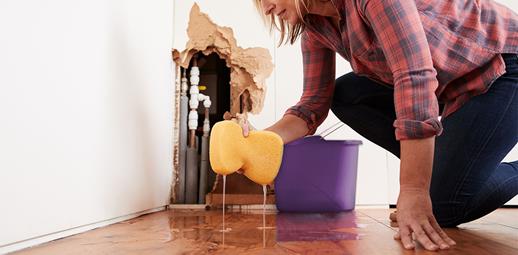
Common Causes of Water Intrusion in Recently Built Houses
Understanding why water damage in new homes occurs helps target the right solution. Some of the most frequent causes include:
- Poor roof installation or damaged flashing, which can allow rainwater to seep in.
- Improperly sealed windows and doors, leading to leaks during storms.
- Faulty plumbing connections or fixtures, which may develop slow leaks behind walls or under floors.
- Inadequate grading or drainage around the foundation, causing water to pool and infiltrate basements or crawl spaces.
- HVAC condensation issues, especially if drain lines are blocked or improperly installed.
For a deeper look at typical sources of leaks and moisture, this overview of common causes of water damage provides additional insights.
Inspection Techniques for Detecting Hidden Moisture
Some signs of water damage in new homes are not immediately visible. To uncover hidden problems, consider the following inspection methods:
- Use a moisture meter to check walls, ceilings, and floors for elevated moisture levels.
- Inspect attics and crawl spaces for wet insulation, mold, or water stains.
- Check under sinks and around appliances for leaks or pooling water.
- Look for efflorescence (white, powdery residue) on basement walls, which can indicate water seepage.
- Monitor your water bill for unexplained increases, which may suggest a hidden plumbing leak.
Professional home inspectors often use infrared cameras to detect temperature differences caused by dampness behind walls. However, many issues can be found with careful observation and basic tools.
Effective Solutions for Repairing Water Damage
Once you’ve identified the source and extent of the problem, it’s time to address it. Here are practical steps for fixing moisture-related issues in new properties:
- Stop the source: Repair leaking pipes, seal windows, or patch roofing as needed to prevent further intrusion.
- Dry out affected areas: Use fans, dehumidifiers, and open windows to remove excess moisture. For severe cases, professional drying equipment may be required.
- Remove damaged materials: Cut out and replace waterlogged drywall, insulation, or flooring to prevent mold growth.
- Clean and disinfect: Use antimicrobial solutions on all exposed surfaces to inhibit mold and bacteria.
- Restore and repaint: Once everything is dry and clean, repair surfaces and repaint with mold-resistant products.
For ongoing protection, consider regular checks and maintenance. Resources like a gutter maintenance and water damage prevention checklist can help you stay ahead of future problems.
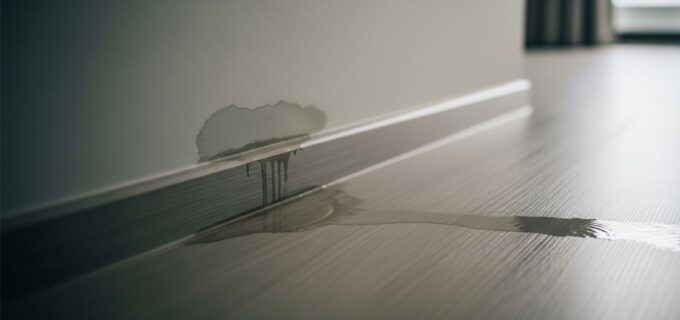
Preventing Moisture Issues in New Construction
Prevention is always preferable to repair. To minimize the risk of water damage in new homes, take these proactive steps:
- Schedule regular roof inspections and keep gutters clear of debris. For more details, see these expert roof maintenance tips.
- Ensure proper grading and landscaping to direct water away from the foundation.
- Seal windows and doors with high-quality caulking and weatherstripping.
- Install sump pumps and backflow valves in basements or crawl spaces if your area is prone to flooding.
- Monitor humidity levels indoors and use dehumidifiers if necessary, especially in bathrooms and laundry rooms.
- Inspect plumbing connections annually for signs of leaks or corrosion.
For homes with complex drainage needs, exploring drainage solutions for water damage prevention can provide long-term peace of mind.
Health Risks Associated with Moisture and Mold
Unchecked water damage in new homes can lead to more than just structural issues. Persistent dampness creates an ideal environment for mold, which can cause respiratory problems, allergies, and other health concerns. Young children, the elderly, and those with compromised immune systems are especially vulnerable.
If you notice persistent musty odors, visible mold, or experience unexplained health symptoms, consult a professional for mold remediation. Prompt action protects both your property and your family’s well-being.
When to Call a Professional
While many minor leaks and stains can be handled by homeowners, some situations require expert help:
- Extensive or recurring leaks that are difficult to trace
- Significant mold growth or persistent musty odors
- Structural damage, such as sagging ceilings or buckling floors
- Flooding or standing water that doesn’t resolve quickly
Professional water damage restoration companies have the tools and expertise to assess, dry, and repair even severe cases. Don’t hesitate to seek help if you’re unsure about the extent of the problem or how to resolve it safely.
Frequently Asked Questions
What are the most common signs of water damage in a new house?
Look for stains or discoloration on ceilings and walls, peeling paint or wallpaper, musty odors, warped floors, and condensation on windows. These signs may indicate leaks or moisture buildup that require immediate attention.
Can water damage occur even in newly constructed homes?
Yes, new homes can experience moisture problems due to construction defects, poor drainage, faulty plumbing, or inadequate sealing. Early inspections and maintenance are essential to catch issues before they worsen.
How can I prevent water damage after moving into a new property?
Schedule regular roof and gutter maintenance, check plumbing connections, ensure proper grading around the foundation, and monitor indoor humidity. Using resources like a home maintenance checklist for water damage prevention can help you stay proactive.