
How to Deal with Water Damage in Older Homes Successfully
· Ethan Williams
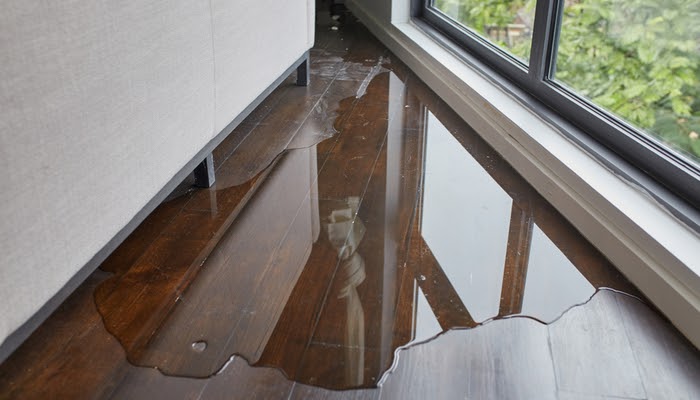
Water damage in older homes is a common and often costly issue that can threaten both the structure and comfort of your living space. Aging materials, outdated plumbing, and years of exposure to the elements make these properties especially vulnerable to leaks, rot, and mold. Understanding how to identify, address, and prevent moisture-related problems is essential for preserving your home’s value and safety.
Whether you’ve just discovered a damp spot on the ceiling or you’re proactively maintaining a historic property, knowing the right steps can save you time, money, and stress. In this guide, we’ll outline practical strategies for recognizing the signs of water intrusion, mitigating existing damage, and implementing long-term solutions. For those interested in broader maintenance strategies, consider reviewing our home maintenance checklist for water damage prevention to keep your property in top shape year-round.
Recognizing the Signs of Moisture Problems
Older properties often hide signs of leaks and seepage until the problem becomes severe. Early detection is key to minimizing repair costs and preventing further deterioration. Here are some common indicators that your home may be experiencing water-related issues:
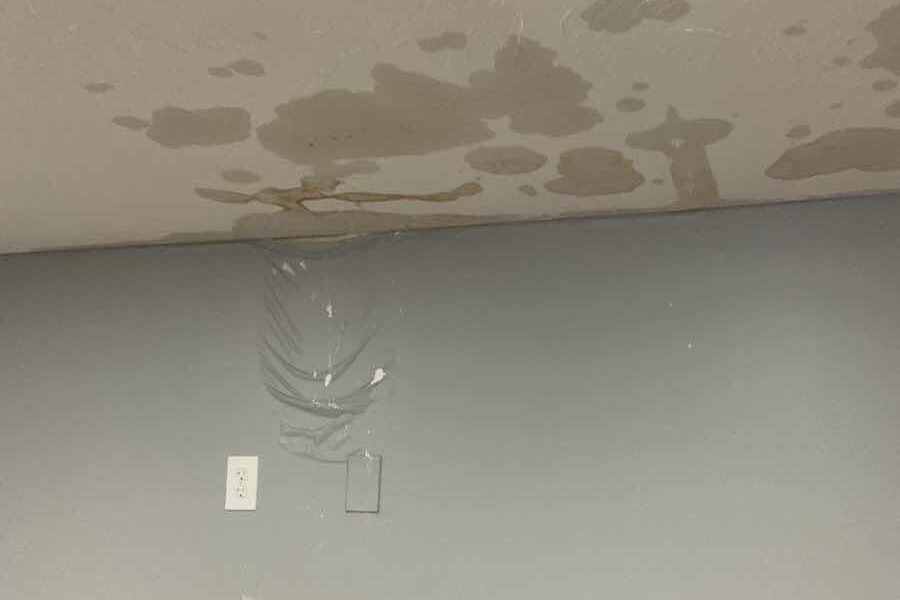
- Discoloration on walls or ceilings: Yellow, brown, or gray stains often signal a leak above or behind the surface.
- Peeling paint or wallpaper: Moisture can cause finishes to bubble, crack, or separate from the wall.
- Musty odors: Persistent damp smells are a strong sign of hidden mold or mildew growth.
- Warped floors or baseboards: Wood and laminate can swell or buckle when exposed to excess moisture.
- Mold patches: Visible black, green, or white spots are a clear indicator of ongoing water intrusion.
For a deeper dive into identifying subtle warning signs, check out this comprehensive guide to detecting hidden water damage before it escalates into a major problem.
Common Causes of Water Damage in Older Properties
Understanding the root causes of moisture issues is crucial for effective remediation. In homes built decades ago, several factors increase the risk of leaks and flooding:
- Outdated plumbing systems: Galvanized pipes, corroded joints, and worn-out fixtures are prone to leaks and bursts.
- Failing roofs and flashing: Missing shingles, cracked tiles, and deteriorated flashing allow rainwater to penetrate the structure.
- Poor drainage and grading: Inadequate slope around the foundation can direct water toward the basement or crawlspace.
- Old windows and doors: Gaps, rotting frames, and failed seals let moisture seep indoors, especially during storms.
- Clogged or damaged gutters: Blocked gutters and downspouts cause overflow, which can erode foundations and flood basements.
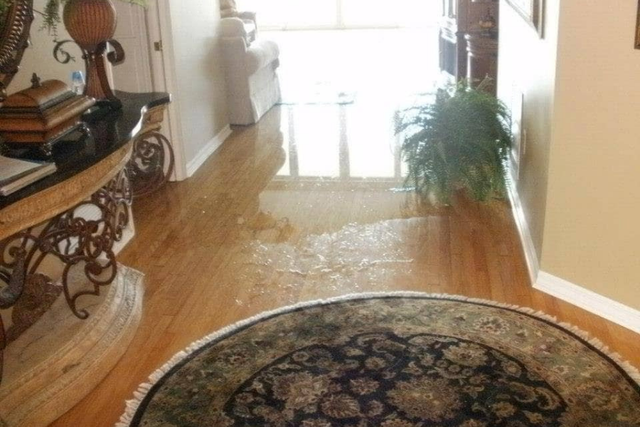
Immediate Steps to Take When Water Damage Occurs
If you discover a leak or flooding, acting quickly can minimize structural harm and prevent mold growth. Here’s what to do right away:
- Stop the source: Shut off the main water supply if a pipe has burst, or cover roof leaks with a tarp until repairs can be made.
- Remove standing water: Use a wet/dry vacuum, mop, or towels to eliminate as much water as possible.
- Dry affected areas: Open windows, use fans, and deploy dehumidifiers to accelerate drying. Remove soaked carpets and furniture if necessary.
- Document the damage: Take photos and notes for insurance claims and future repairs.
- Contact professionals: For extensive damage, consult a licensed contractor or water restoration specialist.
Prompt action is especially important in older homes, where hidden cavities and porous materials can trap moisture and foster mold.
Repairing and Restoring Damaged Areas
Once the immediate crisis is under control, it’s time to assess and repair the affected structures. Restoration in older homes often requires special care to preserve original features while ensuring modern safety standards:
- Inspect for structural damage: Check joists, beams, and subfloors for rot or warping. Replace compromised wood and reinforce as needed.
- Address mold and mildew: Remove contaminated drywall, insulation, and carpeting. Clean surfaces with antimicrobial solutions.
- Restore finishes: Repaint, re-plaster, or refinish walls and ceilings with moisture-resistant materials.
- Upgrade plumbing and roofing: Replace old pipes and fixtures with modern, leak-resistant alternatives. Repair or replace damaged roofing materials.
Preventing Future Water Damage in Older Homes
Prevention is the most effective way to protect your investment and avoid repeated repairs. Here are proven strategies for keeping moisture at bay in aging properties:
- Maintain the roof: Schedule annual inspections and promptly repair missing or damaged shingles. For more detailed advice, see our article on roof maintenance to prevent water damage.
- Clean and repair gutters: Ensure gutters and downspouts are clear of debris and direct water away from the foundation. Our gutter maintenance and water damage prevention checklist offers step-by-step guidance.
- Upgrade plumbing: Replace old pipes and fixtures with modern, corrosion-resistant materials.
- Seal windows and doors: Install weatherstripping and caulk gaps to prevent leaks during heavy rain.
- Improve grading and drainage: Ensure soil slopes away from the house and install French drains if necessary.
- Winterize pipes: Insulate exposed plumbing and follow our tips for winterizing pipes to prevent water damage during cold months.
Regular inspections and timely maintenance are your best defenses against recurring problems, especially in homes with a long history.
Special Considerations for Historic and Vintage Homes
Properties with historical significance or unique architectural features require extra caution during repairs and upgrades. Here are some tips for balancing preservation with modern protection:
- Consult specialists: Work with contractors experienced in historic restoration to ensure repairs respect original materials and craftsmanship.
- Use compatible materials: When replacing wood, plaster, or masonry, choose products that match the original in appearance and performance.
- Document changes: Keep detailed records of repairs and upgrades for future reference and potential resale value.
- Stay compliant: Check with local preservation boards or historical societies before making major alterations.
By combining traditional techniques with modern waterproofing solutions, you can preserve your home’s character while ensuring long-term durability.
Frequently Asked Questions
What are the most common sources of water damage in older homes?
The most frequent culprits include leaking roofs, outdated plumbing, poor drainage, and faulty windows or doors. Aging materials and lack of maintenance can make these issues more severe over time.
How can I tell if my home has hidden water damage?
Look for subtle signs such as musty odors, peeling paint, warped flooring, and unexplained stains on walls or ceilings. Using moisture meters and consulting professionals can help uncover problems behind surfaces.
Is it possible to prevent water damage in an older property?
Yes, with proactive maintenance such as regular roof inspections, gutter cleaning, plumbing upgrades, and sealing of windows and doors, you can significantly reduce the risk of future moisture problems.