
Water Damage Tenant Responsibilities: Insurance & Rights
· Ethan Williams
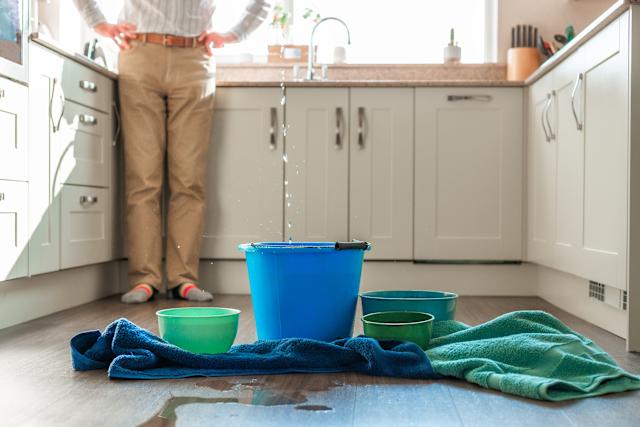
Understanding water damage tenant responsibilities is crucial for anyone renting a property. Water-related incidents can cause significant stress, financial loss, and disputes between tenants and landlords. Knowing your obligations, what insurance covers, and your legal rights can help you respond effectively if a leak, flood, or burst pipe affects your home.
This guide explores the key aspects of tenant duties regarding water damage, how insurance policies work, and what rights renters have when facing these situations. By being informed, tenants can avoid unnecessary costs and ensure their living environment remains safe and habitable.
For those interested in broader property management topics, you may also want to review the water damage business interruption concerns that can impact both tenants and landlords in commercial settings.
Understanding Tenant Duties in Water-Related Incidents
Tenants have specific obligations when it comes to preventing and responding to water damage in a rental property. These responsibilities are typically outlined in the lease agreement and governed by local laws. Failing to follow them can lead to financial liability or even eviction.
- Prompt Reporting: Tenants must immediately notify the landlord or property manager if they notice leaks, burst pipes, or signs of moisture. Delayed reporting can worsen the damage and increase repair costs.
- Routine Maintenance: Renters are expected to take reasonable care of the property. This includes not flushing inappropriate items down toilets, keeping drains clear, and ensuring taps are turned off when not in use.
- Preventing Negligence: If water damage results from tenant negligence—such as leaving a window open during a storm or failing to report a slow leak—the tenant may be held responsible for repairs.
- Allowing Access: Tenants must provide access to the property for repairs and inspections related to water issues. Refusing entry can delay necessary fixes and increase the extent of the damage.
Insurance Coverage for Renters and Water Damage
Insurance plays a vital role in protecting both tenants and landlords from the financial impact of water-related incidents. However, not all policies cover the same scenarios, and it’s important for renters to understand what their insurance includes.
Types of Insurance Relevant to Water Damage
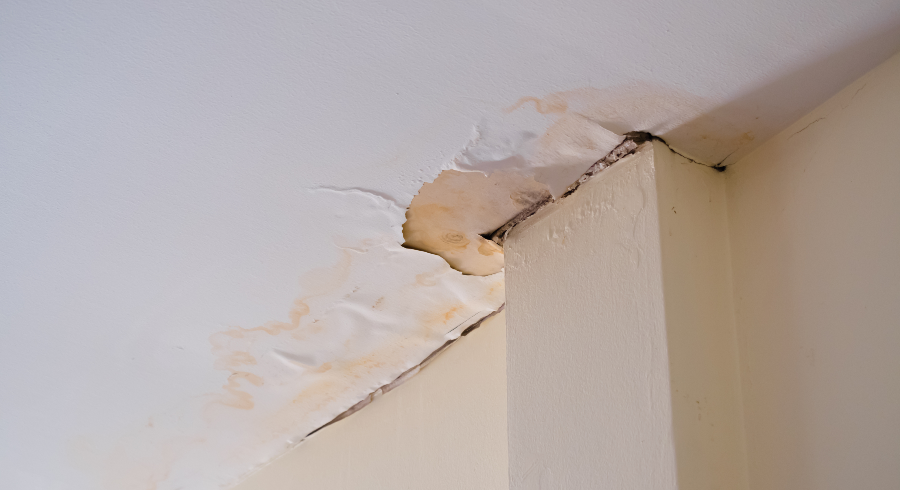
- Landlord Insurance: This policy covers the building’s structure and permanent fixtures. It typically pays for repairs to walls, floors, and ceilings after water damage, but not the tenant’s personal belongings.
- Tenant (Renters) Insurance: Renters are responsible for insuring their own possessions. Tenant insurance can cover the cost of replacing furniture, electronics, and clothing damaged by water, depending on the policy terms.
- Accidental vs. Gradual Damage: Insurance often covers sudden, accidental events (like a burst pipe) but may exclude gradual issues such as slow leaks or mold resulting from poor maintenance.
Always review your policy documents and speak to your insurer to clarify what is covered. Some policies may also provide for temporary accommodation if your rental becomes uninhabitable due to water damage.
Filing a Claim as a Tenant
If your belongings are damaged, contact your insurer as soon as possible. Take photos of the affected items, keep receipts for any emergency purchases, and document all communication with your landlord. The claims process usually involves an assessment by an adjuster and may require proof that you were not negligent in causing the damage.
Legal Rights and Landlord Obligations
Tenants have legal protections when it comes to water-related issues in a rental property. Landlords are generally responsible for maintaining the property in a habitable condition, which includes addressing leaks, plumbing failures, and other sources of water intrusion.
- Right to Repairs: If water damage makes the property unsafe or uninhabitable, tenants can request urgent repairs. Landlords must respond within a reasonable timeframe, as defined by local regulations.
- Rent Abatement: In some cases, if repairs take a long time or the property is partially unusable, tenants may be entitled to a reduction in rent until the issue is resolved.
- Termination of Lease: If the damage is severe and the property cannot be restored promptly, tenants may have the right to end the lease without penalty.
It’s important to keep written records of all communications with your landlord and to follow the procedures outlined in your lease and local tenancy laws. If disputes arise, mediation services or tenant advocacy groups can provide support.
Common Causes and Prevention Strategies
Water damage can result from a variety of sources, many of which are preventable with regular maintenance and vigilance. Here are some of the most frequent causes and tips for avoiding them:

- Leaking Appliances: Washing machines, dishwashers, and refrigerators with water lines can develop leaks. Check hoses and connections regularly.
- Blocked Drains: Avoid pouring grease or food scraps down the sink, and use drain covers to catch hair in showers and bathtubs.
- Roof and Window Leaks: Report any signs of water ingress around windows or ceilings to your landlord immediately.
- Frozen Pipes: In colder climates, keep the heating on low during winter and open cabinet doors to allow warm air to circulate around pipes. For more tips, see the winterizing pipes to prevent water damage guide.
Regular inspections and prompt reporting are the best ways to minimize the risk of serious water issues in a rental property.
Steps to Take When Water Damage Occurs
If you discover water damage in your rental, acting quickly can reduce the extent of the problem and protect your rights. Here’s a step-by-step approach:
- Stop the Source: If safe to do so, turn off the water supply or close valves to prevent further flooding.
- Document the Damage: Take clear photos and videos of all affected areas and belongings.
- Notify Your Landlord: Contact your landlord or property manager immediately, preferably in writing. Provide details and evidence of the issue.
- Contact Your Insurer: If your possessions are affected, start the claims process with your renters insurance provider.
- Protect Your Belongings: Move items away from wet areas and use towels or buckets to contain water if possible.
- Follow Up: Keep records of all communications and follow up if repairs are not completed in a timely manner.
Recognizing Early Signs of Water Issues
Spotting the warning signs of water damage early can help prevent costly repairs and disputes. Look out for:
- Musty odors or persistent dampness
- Peeling paint or wallpaper
- Stains or discoloration on walls and ceilings
- Warped floors or bubbling surfaces
- Mold growth in corners or behind furniture
For more detailed information on identifying these issues, see this guide to signs of water damage in walls.
Proactive Maintenance and Communication
Maintaining open communication with your landlord and taking proactive steps can help avoid misunderstandings and costly repairs. Here are some best practices:
- Read your lease carefully to understand your responsibilities.
- Perform regular checks for leaks, especially after storms or cold weather.
- Report even minor issues promptly to prevent escalation.
- Keep an inventory of your possessions and update your insurance as needed.
- Refer to resources like the home maintenance checklist for water damage prevention for more tips.
Frequently Asked Questions
Who is responsible for repairing water damage in a rental property?
Generally, landlords are responsible for repairing structural damage caused by water, such as to walls, floors, and ceilings. Tenants may be liable if the damage was caused by their negligence or failure to report issues promptly. Always check your lease and local laws for specifics.
Does renters insurance cover all types of water damage?
Renters insurance typically covers sudden and accidental water damage to personal belongings, such as from a burst pipe. It usually does not cover gradual damage, flooding from outside sources, or issues caused by poor maintenance. Review your policy details for exact coverage.
What should I do if my landlord is slow to fix water damage?
If your landlord does not respond promptly to repair requests, document all communications and follow up in writing. You may be entitled to a rent reduction or, in severe cases, to terminate your lease. Seek advice from tenant advocacy organizations if needed.
Conclusion
Being aware of your water damage tenant responsibilities is essential for protecting your home and belongings. By understanding your duties, knowing what your insurance covers, and communicating effectively with your landlord, you can navigate water-related incidents with confidence. Stay proactive, keep good records, and don’t hesitate to seek professional advice if disputes arise.