
Water Damage in Warehouses: Prevention and Restoration
· Ethan Williams
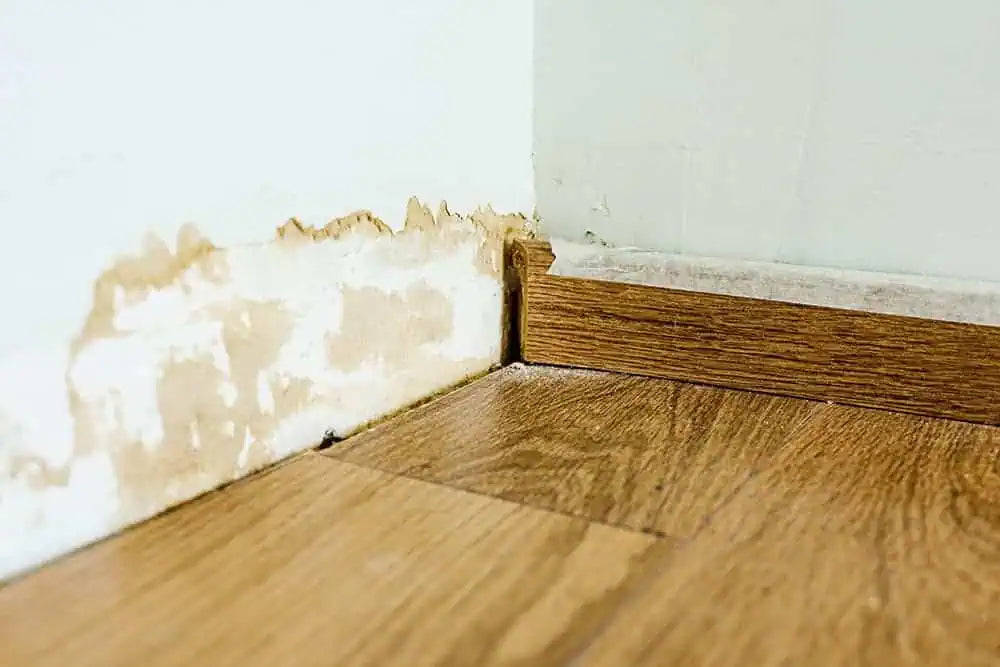
Warehouses play a vital role in the supply chain, storing goods, equipment, and materials essential for business operations. However, these large facilities are particularly vulnerable to water damage in warehouses, which can disrupt business, destroy inventory, and lead to costly repairs. Understanding the causes, prevention strategies, and restoration methods is crucial for warehouse owners and facility managers who want to minimize risk and protect their assets.
From leaking roofs and burst pipes to flooding and humidity issues, water intrusion can happen suddenly or develop over time. The consequences extend beyond property loss, often resulting in business interruption, mold growth, and even legal liabilities. For those managing commercial spaces, learning how to identify risks and respond effectively is a key part of maintaining a safe and efficient operation.
If you are interested in broader strategies for handling water incidents in business environments, you may also find value in our guide on water damage restoration for offices, which covers best practices for commercial properties.
Common Causes of Water Intrusion in Storage Facilities
There are several reasons why warehouses are susceptible to moisture problems. Identifying these causes is the first step toward effective prevention:
- Roof Leaks: Aging or damaged roofing materials can allow rainwater to seep inside, especially during storms.
- Plumbing Failures: Burst pipes, faulty sprinkler systems, or leaking fixtures can quickly flood large areas.
- Flooding: Warehouses located in flood-prone zones or with poor drainage systems are at higher risk during heavy rainfall or snowmelt.
- Condensation and Humidity: Inadequate ventilation can lead to condensation on walls, ceilings, and stored goods, causing gradual damage.
- Faulty Gutters and Downspouts: Blocked or broken drainage systems can direct water toward the building foundation.
Recognizing these vulnerabilities allows facility managers to implement targeted solutions and reduce the likelihood of expensive incidents.

Signs of Water Damage in Warehouses
Early detection is essential to minimize the impact of water-related problems. Some indicators to watch for include:
- Discoloration or staining on walls, ceilings, or floors
- Musty odors indicating mold or mildew growth
- Warped, swollen, or rotting wood and building materials
- Efflorescence (white, powdery residue) on masonry surfaces
- Visible mold patches on surfaces or stored goods
- Puddles or standing water, especially after rain or plumbing incidents
For a more detailed overview of how to spot these problems, consider reviewing this comprehensive guide to recognizing the signs of water damage.
Preventing Water Damage in Warehouse Environments
Prevention is always more cost-effective than restoration. Here are some practical steps to help safeguard your facility:
- Regular Inspections: Schedule routine checks of roofing, plumbing, and drainage systems to catch issues early.
- Roof Maintenance: Repair damaged shingles, flashing, and seals promptly to prevent leaks.
- Upgrade Drainage: Ensure gutters, downspouts, and storm drains are clear and direct water away from the building.
- Monitor Humidity: Use dehumidifiers and maintain proper ventilation to control moisture levels inside the warehouse.
- Install Water Detection Devices: Place sensors near vulnerable areas like basements, loading docks, and mechanical rooms.
- Employee Training: Educate staff on how to spot early warning signs and respond to leaks or flooding quickly.
Implementing these measures can significantly reduce the risk of major incidents and help maintain a safe storage environment.
Restoration Strategies After Water Incidents
Even with preventive measures, accidents can still occur. A prompt and organized response is critical for minimizing damage and resuming operations. The following steps outline a typical restoration process:
- Ensure Safety: Shut off electricity and evacuate affected areas if necessary to avoid hazards.
- Stop the Source: Identify and address the cause of the water intrusion, whether it’s a burst pipe or roof leak.
- Remove Standing Water: Use pumps, wet vacuums, or professional extraction equipment to clear out water quickly.
- Dry and Dehumidify: Industrial fans and dehumidifiers help remove residual moisture from the air and surfaces.
- Assess and Remove Damaged Materials: Discard unsalvageable items and inspect structural components for hidden moisture.
- Sanitize and Prevent Mold: Clean and disinfect affected areas to prevent microbial growth and odors.
- Restore and Repair: Replace damaged building materials, repair infrastructure, and restore inventory where possible.
Working with experienced professionals can speed up the recovery process and ensure that all necessary steps are followed. For more on managing these situations in commercial spaces, see our article on water damage in commercial properties.

Business Interruption and Insurance Considerations
When a warehouse suffers from moisture intrusion, the impact often goes beyond physical repairs. Business interruption can halt operations, delay shipments, and affect customer satisfaction. Reviewing insurance policies regularly is essential to ensure adequate coverage for both property and lost income.
Warehouse managers should document all damages thoroughly and communicate with their insurance providers as soon as possible. Understanding your responsibilities as a property owner or tenant is also important. For more details, explore our resources on water damage landlord responsibilities and water damage tenant responsibilities.
Long-Term Maintenance for Warehouse Protection
Ongoing maintenance is the best defense against future water-related incidents. Establishing a proactive maintenance plan can help identify potential issues before they escalate. Key components of a successful plan include:
- Seasonal roof and gutter inspections
- Annual plumbing system checks
- Routine cleaning of drainage systems
- Regular review and testing of water detection devices
- Updating emergency response protocols and staff training
By prioritizing these tasks, warehouse operators can reduce downtime, protect inventory, and maintain a safe working environment.
FAQ: Water Damage in Storage Facilities
What are the most common sources of water intrusion in warehouses?
The most frequent sources include roof leaks, burst pipes, malfunctioning sprinkler systems, flooding due to poor drainage, and condensation from inadequate ventilation. Regular inspections and maintenance can help identify and address these issues before they cause significant harm.
How quickly should water be removed after a leak or flood?
It’s important to remove standing water as soon as possible—ideally within 24 to 48 hours—to prevent structural damage and mold growth. Delays can increase restoration costs and prolong business interruption.
Can insurance cover all types of water damage in warehouses?
Coverage depends on the specifics of your policy. Most commercial property insurance covers sudden and accidental incidents, but may exclude gradual leaks or flooding unless additional coverage is purchased. Always review your policy details and consult with your insurance provider to understand your protection.