
Water Damage After Flooding Events: Step-by-Step Recovery
· Ethan Williams
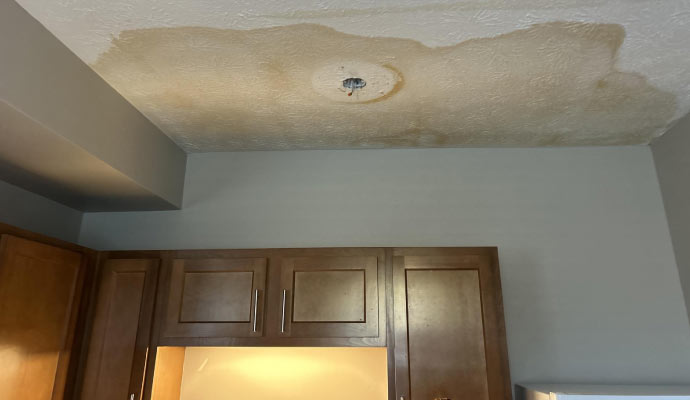
Floods can leave behind a trail of destruction, and one of the most persistent challenges is water damage after flooding events. Whether caused by heavy rain, river overflow, or severe storms, the aftermath can be overwhelming for property owners. Understanding how to respond quickly and effectively is crucial for minimizing long-term damage, protecting your health, and restoring your home or business to a safe condition.
This guide provides a clear, step-by-step approach to recovering from water-related destruction following a flood. From initial safety checks to thorough drying and mold prevention, each stage is designed to help you regain control and move forward with confidence.
For those dealing with storm-related water issues, you may also find helpful information in our article on water damage after hurricanes, which covers additional restoration strategies and tips.
Understanding the Impact of Water Damage After Flooding
The consequences of flooding go far beyond what is immediately visible. Water can seep into walls, floors, and foundations, weakening structures and creating an environment ripe for mold growth. Electrical systems, insulation, and personal belongings are also at risk. Acting quickly is essential to prevent further deterioration and costly repairs.
Common sources of water intrusion during floods include:
- Rising groundwater and surface runoff
- Backed-up sewers and drainage systems
- Roof leaks and broken windows
- Foundation cracks
For a deeper look at the origins of water-related property issues, see this comprehensive overview of water damage causes.
Initial Safety Measures and Assessment
Before beginning any cleanup, prioritize safety. Floodwaters may contain contaminants, and hidden hazards like electrical shorts or structural instability can pose serious risks. Take these steps:
- Wait for official clearance from emergency services before re-entering the property.
- Turn off electricity and gas at the main supply if it is safe to do so.
- Wear protective gear such as gloves, boots, and masks to avoid contact with contaminated water and debris.
- Document the damage with photos and videos for insurance claims.
Once it is safe, perform a thorough inspection to identify the extent of the water intrusion and prioritize areas that need immediate attention.
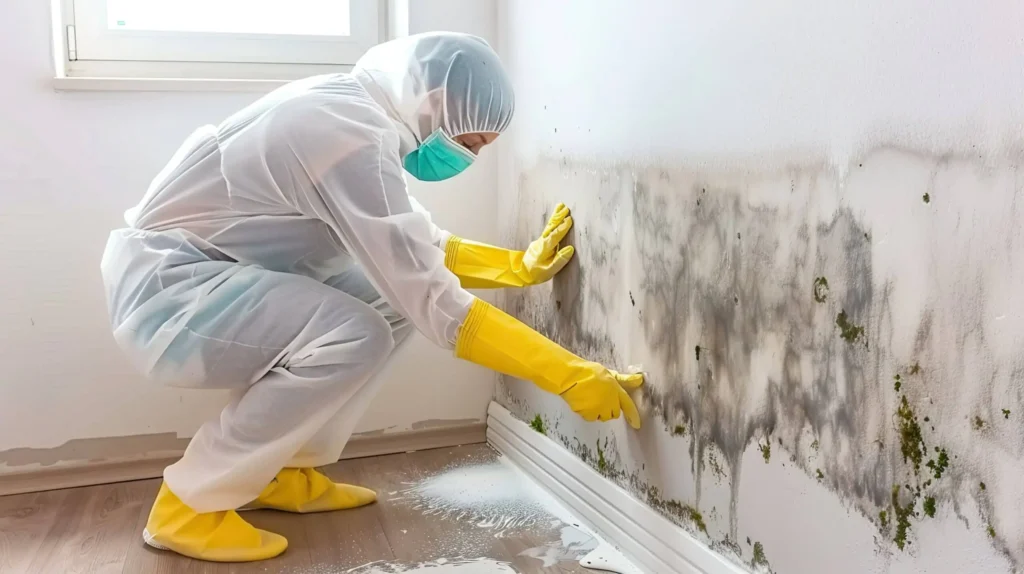
Step-by-Step Recovery Process for Flood-Related Water Damage
Addressing water damage after flooding events requires a systematic approach. The following steps outline the best practices for effective recovery:
1. Remove Standing Water
Use pumps, wet/dry vacuums, or buckets to extract as much water as possible. The faster you remove standing water, the less likely you are to face severe structural and mold issues. Be mindful of hidden pockets of moisture under floors or behind walls.
2. Dry and Dehumidify the Area
After removing visible water, focus on drying out the affected spaces. Open windows and doors to increase ventilation, and use fans and dehumidifiers to speed up the process. This step is critical for preventing mold growth and further material deterioration.
3. Dispose of Unsalvageable Materials
Floodwater can permanently damage certain items, especially porous materials like carpets, insulation, and drywall. Remove and discard anything that cannot be thoroughly dried or cleaned. This helps reduce health risks and accelerates the restoration process.
4. Clean and Disinfect Surfaces
All surfaces that came into contact with floodwater should be cleaned and disinfected. Use appropriate cleaning agents to eliminate bacteria, viruses, and mold spores. Pay special attention to kitchens, bathrooms, and other high-contact areas.
5. Inspect for Structural and Electrical Damage
Before restoring utilities or making repairs, have a qualified professional inspect the property for hidden damage. Electrical systems, load-bearing walls, and foundations may require specialized assessment to ensure safety.
6. Prevent Mold and Secondary Issues
Mold can develop within 24 to 48 hours after water exposure. Continue monitoring humidity levels and look for signs of mold growth, such as musty odors or discoloration. If mold is present, consult a remediation expert to address the problem safely.
Insurance and Documentation Tips
Proper documentation is essential for insurance claims related to water damage after flooding events. Take clear photographs of all affected areas and keep records of any repairs or cleaning efforts. Notify your insurance provider as soon as possible and follow their instructions for submitting a claim. Save receipts for any expenses related to temporary housing, cleanup, or repairs.
If you are a landlord or tenant, understanding your legal responsibilities is important. For more information, see our resources on water damage landlord responsibilities and water damage tenant responsibilities.
Restoration and Prevention Strategies
Once the immediate crisis is under control, focus on restoring your property and reducing the risk of future incidents. Consider these steps:
- Replace damaged drywall, flooring, and insulation with water-resistant materials.
- Upgrade drainage systems and install sump pumps where appropriate.
- Seal foundation cracks and repair roofing to prevent leaks.
- Regularly inspect and maintain gutters and downspouts.
For business owners, our article on water damage in retail buildings offers additional insights into fast restoration and minimizing downtime.
When to Call a Professional
While some minor water issues can be handled independently, extensive flooding or contamination often requires professional intervention. Restoration experts have the equipment and expertise to thoroughly dry, clean, and repair your property, ensuring a safe and healthy environment. If you are unsure about the extent of the damage or face persistent issues like mold, do not hesitate to seek help.
Commercial property owners can benefit from specialized advice in our guide to managing water damage in commercial properties.
Frequently Asked Questions
How soon should I start cleaning up after a flood?
Begin cleanup as soon as it is safe to enter your property. The first 24 to 48 hours are critical for removing water, drying out spaces, and preventing mold growth. Always prioritize safety and follow guidance from local authorities.
What are the health risks associated with floodwater?
Floodwater can contain bacteria, chemicals, and other hazardous substances. Direct contact may cause skin irritation, respiratory issues, or infections. Always wear protective gear and disinfect all affected surfaces thoroughly.
Can I handle water damage cleanup myself, or should I hire a professional?
Minor incidents can sometimes be managed with proper tools and precautions. However, extensive flooding, contaminated water, or structural damage should be addressed by certified restoration professionals to ensure safety and thorough remediation.
How can I prevent future water damage after experiencing a flood?
Invest in preventive measures such as improved drainage, sealing foundation cracks, and using water-resistant building materials. Regular maintenance and inspections can also help identify vulnerabilities before the next storm or flood event.