
Water Damage in Retail Buildings: Fast Restoration Guide
· Ethan Williams
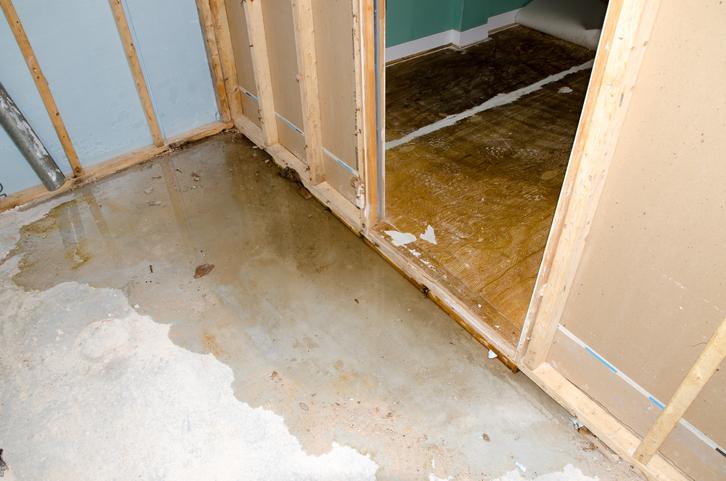
Water damage in retail buildings can disrupt operations, threaten inventory, and create safety hazards for staff and customers. Whether caused by burst pipes, roof leaks, or severe weather, swift and strategic action is essential to minimize losses and restore normalcy. This guide explains how to identify, respond to, and recover from water-related incidents in commercial retail spaces.
Retail property managers and store owners face unique challenges when dealing with moisture intrusion. From safeguarding merchandise to ensuring customer safety, every minute counts. Understanding the right steps to take can make a significant difference in both short-term recovery and long-term prevention.
For those managing larger commercial spaces, it's helpful to review comprehensive resources like managing water damage in commercial properties to understand broader strategies and responsibilities.
Recognizing Water Damage in Retail Environments
Timely detection is critical. Signs of water damage in retail buildings can be subtle or obvious, depending on the source and duration. Early identification helps reduce repair costs and limits business interruption.
- Visible stains or discoloration on ceilings, walls, or floors
- Musty odors indicating mold or mildew growth
- Warped, buckling, or soft flooring
- Peeling paint or wallpaper
- Dripping sounds or unexplained moisture accumulation
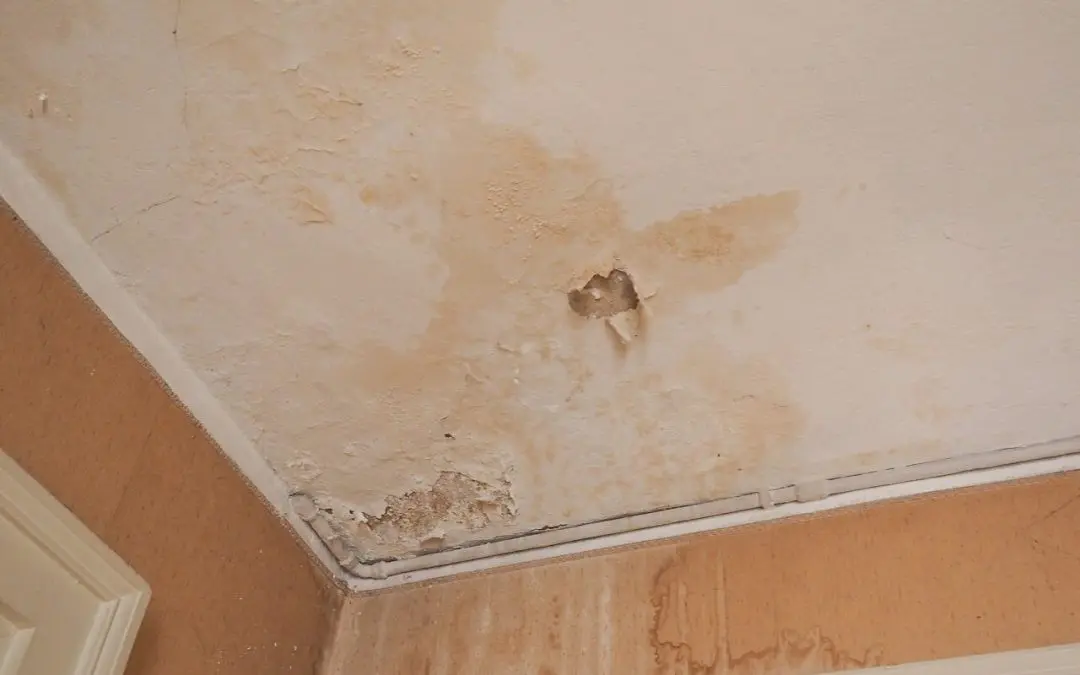
Sometimes, it can be difficult to determine if the issue is recent or longstanding. For guidance on this, review how to distinguish between new and old water damage for effective assessment and documentation.
Immediate Steps After Discovering Water Intrusion
When water is discovered in a retail space, acting quickly can prevent further harm. Here are the essential first actions:
- Ensure safety: Evacuate affected areas if there are electrical hazards or structural concerns.
- Stop the source: Shut off the main water supply if possible, or contain the leak.
- Protect inventory: Move merchandise, electronics, and important documents to dry locations.
- Document the damage: Take photos and notes for insurance and restoration professionals.
- Contact professionals: Notify your insurance provider and arrange for a restoration company to assess and begin cleanup.
Retailers should also be aware of their legal and insurance obligations. If you lease your space, understanding water damage landlord responsibilities and water damage tenant responsibilities is crucial for a coordinated response.
Restoration Process for Retail Properties
Professional restoration teams follow a systematic process to return retail spaces to safe, functional conditions. The main stages include:
- Inspection and assessment: Specialists identify all affected areas and categorize the type of water involved (clean, gray, or black water).
- Water extraction: Powerful pumps and vacuums remove standing water quickly to prevent further absorption and mold growth.
- Drying and dehumidification: Industrial fans and dehumidifiers are used to dry out walls, floors, and fixtures.
- Cleaning and sanitizing: Surfaces are cleaned and disinfected to remove contaminants and odors.
- Restoration and repairs: Damaged materials are repaired or replaced, including drywall, flooring, and fixtures.

During this process, communication with your restoration provider and insurance company is essential. Keep all documentation organized for claims and future reference.
Preventing Future Water Issues in Retail Spaces
Proactive maintenance and planning can significantly reduce the risk of recurring problems. Consider these strategies:
- Regular inspections: Schedule routine checks of plumbing, roofing, and HVAC systems.
- Upgrade infrastructure: Replace aging pipes, seals, and roofing materials as needed.
- Install leak detection systems: Modern sensors can alert you to leaks before they become major incidents.
- Train staff: Educate employees on how to spot early warning signs and respond appropriately.
- Develop an emergency plan: Have clear procedures for evacuation, inventory protection, and contacting restoration professionals.
For businesses in storm-prone areas, it's wise to review resources on water damage after hurricanes to better prepare for extreme weather events.
Business Continuity and Insurance Considerations
Unplanned closures due to water incidents can lead to lost revenue and reputational harm. To minimize disruption:
- Review your business interruption insurance policy to ensure adequate coverage for lost income and extra expenses.
- Maintain up-to-date records of inventory, equipment, and property improvements for faster claims processing.
- Establish relationships with trusted restoration providers for rapid response.
For more on minimizing downtime and financial impact, explore advice on water damage business interruption concerns.
Common Causes of Water Damage in Retail Buildings
Understanding the typical sources of water intrusion helps with prevention and rapid troubleshooting. The most frequent causes include:
- Plumbing failures (burst pipes, leaking fixtures)
- Roof leaks from storms or aging materials
- Faulty HVAC systems or clogged drains
- Flooding from severe weather or nearby construction
- Sprinkler system malfunctions
Regular maintenance, prompt repairs, and staff vigilance are your best defenses against these risks.
FAQ
How quickly should water be removed from a retail space?
Immediate removal—ideally within 24 to 48 hours—is crucial to prevent mold growth and structural deterioration. The faster the response, the lower the risk of long-term damage and business interruption.
What are the health risks of untreated water damage in retail buildings?
Untreated moisture can lead to mold and mildew, which may cause respiratory problems, allergic reactions, and other health issues for staff and customers. It can also compromise the building’s structural integrity, creating safety hazards.
Are landlords or tenants responsible for water damage repairs in retail leases?
Responsibility depends on the lease agreement and the source of the problem. Typically, landlords handle structural repairs, while tenants may be responsible for interior damage or inventory losses. Always review your lease and consult with legal or insurance professionals for clarification.