
Understanding Water Damage Restoration Industry Standards
· Ethan Williams
Water intrusion can cause significant harm to homes and businesses, leading to structural issues, health risks, and costly repairs. To ensure effective recovery, the water damage restoration industry standards provide a framework for best practices, safety, and quality. These standards help guide professionals and property owners through the complex process of assessment, mitigation, and restoration after water-related incidents.
Whether you’re a homeowner facing a sudden leak or a restoration specialist, knowing the protocols and benchmarks that shape this field is crucial. Adhering to established guidelines ensures that restoration efforts are thorough, safe, and compliant with industry expectations. For those interested in proactive measures, exploring smart leak detectors for water damage prevention can be a valuable step toward minimizing future risks.

Why Standards Matter in Water Damage Restoration
Industry benchmarks are not just technical guidelines—they are essential for protecting property and health. Without clear protocols, restoration work can be inconsistent, leaving behind moisture, mold, or structural weaknesses. Water damage restoration industry standards help ensure:
- Consistent quality of service across providers
- Safety for workers and occupants
- Compliance with insurance and regulatory requirements
- Efficient and effective recovery processes
Following these standards also helps restoration companies build trust with clients and insurance partners, as they demonstrate a commitment to professionalism and accountability.
Key Organizations Defining Restoration Protocols
Several organizations play a pivotal role in shaping the best practices for water damage recovery. The most recognized is the Institute of Inspection, Cleaning and Restoration Certification (IICRC), which publishes the S500 Standard and Reference Guide for Professional Water Damage Restoration. This document outlines the principles, processes, and procedures for safe and effective restoration.
Other influential groups include the Restoration Industry Association (RIA) and the American National Standards Institute (ANSI). These organizations collaborate to update and refine protocols as new technologies and research emerge.
Core Elements of Water Damage Restoration Protocols
The established guidelines for water damage recovery are comprehensive, covering every stage from initial assessment to final verification. Here are some of the most important elements:
1. Assessment and Classification
A thorough inspection is the first step. Restoration professionals use moisture meters, infrared cameras, and visual checks to determine the extent of water intrusion. The IICRC S500 standard classifies water damage by source and contamination level:
- Category 1: Clean water from a sanitary source (e.g., broken supply line)
- Category 2: Gray water with significant contamination (e.g., dishwasher overflow)
- Category 3: Black water containing pathogens or toxins (e.g., sewage backup)
The amount of water and affected materials are also categorized to determine the scope of work.
2. Water Extraction and Removal
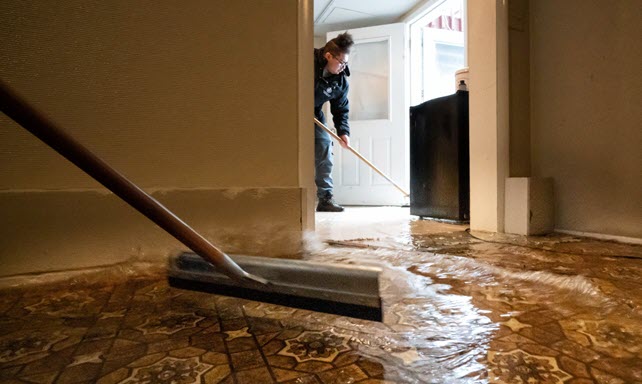
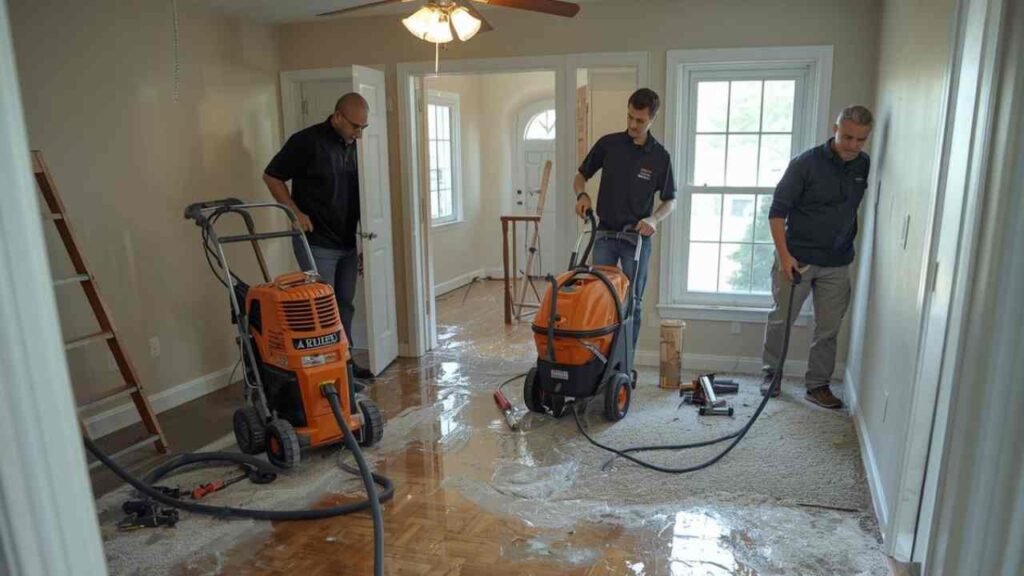
Prompt removal of standing water is essential to prevent further damage and mold growth. Industry standards specify the use of commercial-grade pumps, vacuums, and extraction tools. The goal is to eliminate as much moisture as possible before moving on to drying and dehumidification.
3. Drying and Dehumidification
After extraction, the focus shifts to drying out affected structures and contents. High-capacity air movers and dehumidifiers are deployed according to calculations based on room size, humidity, and material type. For more advanced approaches, see our guide on advanced drying techniques for water damage.
4. Cleaning and Sanitizing
All affected areas must be cleaned and disinfected, especially if the water was contaminated. Industry protocols outline the use of EPA-approved antimicrobial agents and appropriate personal protective equipment (PPE) for workers. This step is vital for preventing mold, bacteria, and lingering odors.
5. Restoration and Verification
The final stage involves repairing or replacing damaged materials, such as drywall, flooring, or insulation. Before the job is considered complete, professionals verify that moisture levels are within safe limits and that the property is fully restored.
Technology and Innovation in Restoration Practices
The field of water damage recovery is constantly evolving. New tools and methods, such as thermal imaging for water damage detection and remote moisture monitoring, are improving accuracy and efficiency. These innovations are gradually being integrated into official protocols, raising the bar for what’s possible in restoration.
For a deeper look at how technology is shaping the industry, explore our article on water damage restoration technology.
Compliance, Certification, and Training
To maintain high standards, restoration professionals often pursue certification from organizations like the IICRC. Certification programs cover the latest protocols, equipment, and safety measures, ensuring that technicians are well-prepared for any scenario. Ongoing education is encouraged, as industry standards are periodically updated to reflect new research and technology.
Insurance companies and regulatory bodies may require proof of compliance with recognized standards before approving claims or allowing work to proceed. This underscores the importance of working with certified professionals who follow established guidelines.
Common Challenges and How Standards Address Them
Restoration projects can be complicated by hidden moisture, delayed response, or improper cleaning. By following industry benchmarks, professionals can avoid common pitfalls such as:
- Overlooking moisture in walls or subfloors
- Using inadequate drying equipment
- Failing to identify contaminated water sources
- Neglecting post-restoration verification
For property owners, understanding these protocols can help in evaluating the quality of service and ensuring that all necessary steps are taken for a safe recovery. If you’re unsure whether your property has experienced recent or historic water intrusion, this guide to determining if you have new or old water damage provides helpful tips.
Prevention and Preparedness: Staying Ahead of Water Damage
While restoration is critical after an incident, prevention and readiness are equally important. Regular maintenance, leak detection, and emergency planning can reduce the risk of severe damage. For practical advice, see our resource on emergency preparedness for water damage.
By staying informed and proactive, property owners can minimize the impact of water-related events and ensure a smoother recovery when incidents do occur.
Frequently Asked Questions
What are the main standards for water damage restoration?
The most widely recognized benchmark is the IICRC S500 Standard and Reference Guide, which outlines best practices for assessment, extraction, drying, cleaning, and restoration. Other organizations, such as the RIA and ANSI, also contribute to the development of industry protocols.
Why is it important to hire certified restoration professionals?
Certified technicians are trained to follow established guidelines, use proper equipment, and ensure safety and compliance. This reduces the risk of incomplete restoration, mold growth, and future issues, while also meeting insurance and regulatory requirements.
How can property owners prevent water damage?
Regular inspections, prompt repairs, and the use of smart leak detection devices can help prevent water-related incidents. Having an emergency plan and knowing how to respond quickly can also limit damage and speed up recovery.