
Smart Leak Detectors for Water Damage Prevention Guide
· Ethan Williams
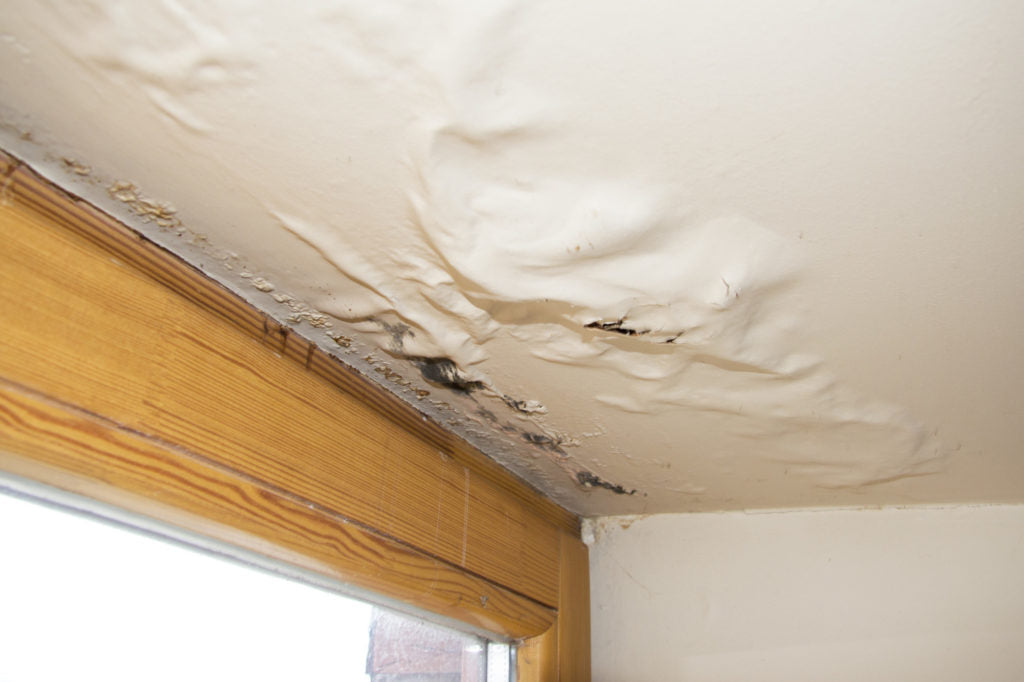
Water damage is one of the most common and costly issues faced by homeowners and businesses. Leaks can go unnoticed for days or even weeks, leading to extensive repairs, mold growth, and significant financial loss. In recent years, smart leak detectors for water damage prevention have emerged as a proactive solution, offering real-time alerts and remote monitoring to help property owners act before minor leaks escalate into major disasters.
Understanding how these devices work, their benefits, and how to choose the right system can make a significant difference in safeguarding your property. For those dealing with the aftermath of flooding or severe weather, resources like water damage after flooding events provide step-by-step recovery guidance.
How Smart Leak Detection Systems Work
Modern leak detection devices use a combination of sensors, wireless connectivity, and smart home integration to monitor for signs of water leaks. These systems typically include:
- Moisture sensors placed near appliances, under sinks, or in basements to detect the presence of water.
- Temperature sensors that can alert you to freezing pipes, which are prone to bursting.
- Wi-Fi or Bluetooth connectivity for sending instant alerts to your smartphone or smart home hub.
- Automatic shut-off valves in some advanced models, which can cut off the water supply when a leak is detected.
Once a leak is detected, the system sends a notification, allowing you to respond quickly and minimize potential damage. Some devices even integrate with other smart home systems, enabling automation such as turning off water when you leave the house or integrating with voice assistants for status updates.

Key Benefits of Using Smart Leak Detectors
Investing in smart leak detectors for water damage prevention offers several advantages over traditional methods:
- Early detection: These devices provide real-time alerts, allowing you to address leaks before they cause significant harm.
- Remote monitoring: Stay informed about your property’s status even when you’re away, reducing the risk of coming home to unexpected water damage.
- Cost savings: By catching leaks early, you can avoid expensive repairs, mold remediation, and increased insurance premiums.
- Peace of mind: Knowing your home or business is protected around the clock brings confidence, especially during vacations or business trips.
- Integration with insurance: Some insurance providers offer discounts for properties equipped with leak detection systems, recognizing their role in risk reduction.
For commercial spaces, such as retail buildings or warehouses, the benefits are even more pronounced. Preventing water damage can help avoid business interruptions and protect valuable inventory. For more on this, see our guide on water damage in retail buildings.
Choosing the Right Leak Detection Solution
With a wide range of options available, selecting the best system for your needs involves considering several factors:
- Coverage area: Assess the size of your property and identify high-risk zones such as basements, laundry rooms, and near water heaters.
- Sensor type: Some sensors detect only standing water, while others can sense humidity or temperature changes that may indicate potential leaks.
- Connectivity: Decide whether you need Wi-Fi, Bluetooth, or integration with a broader smart home ecosystem.
- Power source: Battery-powered sensors offer flexibility in placement, but require regular battery checks. Hardwired options provide continuous power but may limit installation locations.
- Automatic shut-off: For maximum protection, consider systems that can automatically stop water flow when a leak is detected.
- Ease of installation: Some devices are DIY-friendly, while others may require professional setup.
Reading product reviews and consulting with professionals can help you find a solution tailored to your property’s unique needs. For more insight into spotting early signs of water issues, check out this comprehensive guide on identifying water damage in buildings.

Installation Tips for Maximum Effectiveness
Proper placement and setup are crucial for getting the most out of your leak detection system. Here are some practical tips:
- Identify vulnerable areas: Focus on locations where leaks are most likely, such as under sinks, behind toilets, near washing machines, and around water heaters.
- Test sensors regularly: Ensure your devices are working by simulating a leak and confirming that alerts are received.
- Maintain connectivity: Check that Wi-Fi or Bluetooth signals are strong in all sensor locations, and consider using range extenders if needed.
- Replace batteries as needed: Set reminders to check and replace batteries to keep your system operational.
- Integrate with other smart devices: Link your leak detectors with smart thermostats, security systems, or voice assistants for enhanced automation and control.
For larger properties or commercial facilities, professional installation may be advisable to ensure comprehensive coverage and integration with existing infrastructure. If you manage warehouses or industrial spaces, our article on water damage in warehouses offers additional prevention strategies.
Responding to Leak Alerts and Preventing Further Damage
When your system detects a leak, acting quickly is essential. Here’s what to do:
- Verify the alert: Check the location indicated by the sensor to confirm the presence of water.
- Shut off the water supply: If your system includes an automatic shut-off valve, this may happen automatically. Otherwise, locate your main water valve and turn it off manually.
- Remove standing water: Use towels, mops, or a wet/dry vacuum to clean up as much water as possible.
- Dry the area: Use fans and dehumidifiers to speed up drying and prevent mold growth.
- Inspect for damage: Check for signs of structural or electrical issues, and contact professionals if needed.
For emergencies caused by natural disasters, such as hurricanes or tornadoes, consult resources like how to handle water damage after hurricanes for specialized recovery steps.
Integrating Leak Detection with Broader Water Damage Prevention
While smart leak detectors are a powerful tool, they are most effective when combined with other preventive measures:
- Regular inspections: Periodically check pipes, appliances, and roofing for signs of wear or leaks.
- Proper insulation: Insulate pipes in cold areas to prevent freezing and bursting.
- Routine maintenance: Replace old hoses, repair minor leaks promptly, and service water heaters as recommended.
- Gutter and drainage care: Keep gutters clear and ensure water drains away from your foundation.
Combining technology with good maintenance habits offers the best protection against costly water-related incidents.
Frequently Asked Questions
Where should I place smart leak detectors for optimal coverage?
Install sensors in areas prone to leaks, such as under sinks, behind toilets, near water heaters, washing machines, dishwashers, and in basements or crawl spaces. For larger properties, consider adding detectors near HVAC units and sump pumps.
Can smart leak detectors help lower my insurance premiums?
Many insurance companies recognize the value of proactive leak detection and may offer discounts for properties equipped with these systems. Check with your provider to see if you qualify for reduced premiums.
What maintenance do smart leak detectors require?
Regularly test sensors to ensure they’re working, replace batteries as needed, and keep the devices clean and free from obstructions. For connected systems, ensure your Wi-Fi or Bluetooth connection remains stable.
Are smart leak detectors suitable for commercial properties?
Yes, these devices are highly beneficial for businesses, warehouses, and retail spaces. They help prevent inventory loss, business interruptions, and costly repairs by providing early warnings of leaks or water-related issues.
By investing in smart leak detectors for water damage prevention and following best practices, property owners can significantly reduce the risk of unexpected water damage and enjoy greater peace of mind.