
Thermal Imaging for Water Damage Detection: How It Works
· Ethan Williams
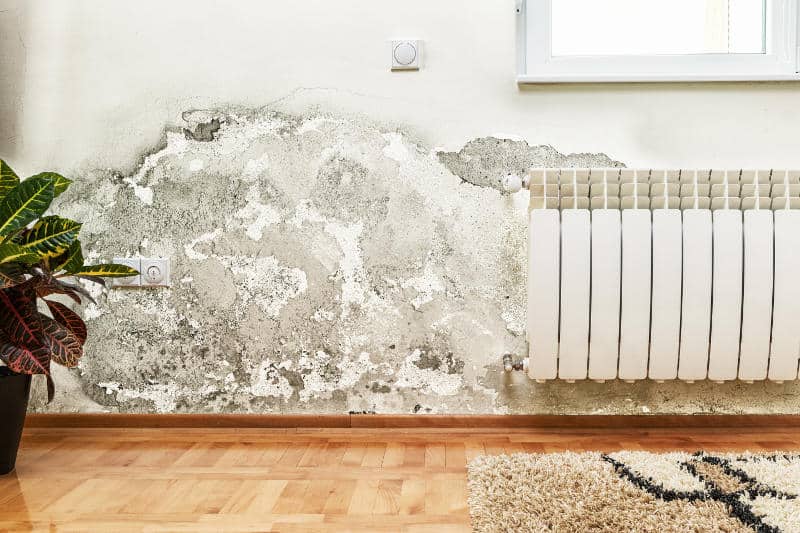
Thermal imaging for water damage detection has become an essential tool for property owners, restoration professionals, and facility managers. Water leaks and moisture intrusion can cause significant structural issues, mold growth, and costly repairs if not identified early. Traditional inspection methods often miss hidden problems behind walls, ceilings, or floors. Infrared technology offers a non-invasive, accurate way to pinpoint moisture issues before they escalate.
Understanding how infrared cameras work, their advantages, and their limitations can help you make informed decisions about property maintenance and restoration. Early detection not only saves money but also preserves the integrity of your home or business. For those interested in broader strategies, consider exploring smart leak detectors for water damage prevention as a proactive approach.
What Is Thermal Imaging and How Does It Work?
Infrared cameras, often called thermal imagers, detect heat patterns emitted by objects and surfaces. Every material emits infrared radiation based on its temperature. When there is moisture present inside a wall, ceiling, or floor, the wet area typically has a different temperature than the surrounding dry material. This temperature difference appears as a distinct color pattern on the camera’s display.
Thermal imaging for water damage detection leverages this principle. By scanning a surface, professionals can visualize temperature anomalies that may indicate hidden leaks or trapped moisture. The technology does not “see” water directly but reveals the temperature changes caused by evaporation, absorption, or water movement.
Benefits of Using Infrared Cameras for Moisture Detection
There are several reasons why property owners and restoration experts rely on this technology:
- Non-invasive inspections: No need to cut holes or remove materials to check for hidden water damage.
- Quick and efficient: Large areas can be scanned in minutes, speeding up the assessment process.
- Early detection: Find leaks and moisture before visible signs like stains, warping, or mold appear.
- Accurate documentation: Infrared images provide visual proof for insurance claims and restoration planning.
- Reduced restoration costs: Targeted repairs minimize unnecessary demolition and save money.

Common Signs of Moisture Problems Revealed by Infrared Technology
While some water issues are obvious—such as puddles or visible stains—many remain hidden until significant damage occurs. Infrared cameras can reveal:
- Cold spots on ceilings or walls, often indicating evaporative cooling from moisture.
- Unusual heat patterns near plumbing fixtures or appliances.
- Temperature differences along baseboards, window sills, or rooflines.
- Areas with persistent humidity or condensation.
For a detailed overview of visible and hidden indicators, you can refer to this comprehensive list of water damage signs.
How Professionals Use Thermal Imaging for Water Damage Detection
Restoration specialists and building inspectors follow a systematic process when using infrared cameras:
- Initial assessment: The technician visually inspects the property and identifies areas of concern.
- Thermal scan: The camera is used to scan walls, ceilings, floors, and other surfaces. The operator looks for temperature anomalies that could indicate moisture.
- Moisture meter confirmation: Once a suspicious area is found, a moisture meter is used to confirm the presence of water. This step ensures accuracy, as not all temperature differences are caused by moisture.
- Documentation: Infrared images and moisture readings are recorded for reports, insurance claims, or restoration planning.
Limitations and Considerations of Infrared Moisture Detection
While thermal imaging for water damage detection is highly effective, it is not infallible. Some important limitations include:
- Indirect detection: The camera detects temperature differences, not water itself. Other factors, such as air drafts or insulation gaps, can create similar patterns.
- Environmental conditions: Accurate results depend on temperature differences between wet and dry areas. Scans are most effective when there is a clear contrast, such as after running air conditioning or heating.
- Operator expertise: Proper training is crucial. Misinterpretation of images can lead to false positives or missed problems.
- Depth limitations: Infrared cameras cannot “see” through solid materials. Deeply hidden leaks may not be detected if there is no surface temperature change.
For best results, thermal imaging should be combined with other inspection tools and professional judgment.
Applications in Residential and Commercial Settings
Infrared moisture detection is valuable for a wide range of properties:
- Homes: Identify roof leaks, plumbing failures, or foundation seepage before they cause major damage.
- Retail buildings: Quickly assess large spaces for leaks or HVAC issues. For more on this, see our guide to water damage in retail buildings.
- Warehouses: Detect hidden leaks that could threaten inventory or equipment. Learn more about water damage in warehouses and how to prevent losses.
- After storms: Quickly locate water intrusion following hurricanes or severe weather. For recovery tips, visit our article on water damage after hurricanes.
Whether you are a homeowner, property manager, or restoration contractor, using infrared technology can streamline inspections and support faster, more targeted repairs.
Integrating Thermal Imaging Into a Water Damage Prevention Strategy
Thermal cameras are most effective when used as part of a comprehensive water management plan. Combine regular inspections with other preventive measures such as:
- Installing leak detection devices and alarms.
- Maintaining roofs, gutters, and plumbing systems.
- Ensuring proper ventilation to reduce condensation.
- Educating occupants about early warning signs of moisture problems.
For homeowners, being proactive can significantly reduce the risk of costly repairs and health hazards. If you want to be fully prepared, our emergency preparedness for water damage guide offers additional tips.
Frequently Asked Questions
Can thermal cameras detect all types of water leaks?
Infrared cameras are highly effective at finding leaks that cause temperature differences on surfaces. However, leaks deeply hidden within walls or under floors may not always be visible if there is no surface temperature change. For best results, combine infrared scans with moisture meters and visual inspections.
Is thermal imaging safe for use in homes and businesses?
Yes, thermal imaging is completely non-invasive and safe. The cameras simply detect infrared radiation emitted by surfaces and do not emit any harmful energy or radiation themselves.
How often should properties be inspected with infrared technology?
The frequency depends on the property’s age, condition, and risk factors. Annual inspections are recommended for most homes and commercial buildings, especially in areas prone to leaks or severe weather. After any major storm, a targeted scan can help identify hidden water intrusion.
Thermal imaging for water damage detection is a powerful tool for maintaining healthy, safe, and structurally sound buildings. By understanding how this technology works and integrating it into your property management routine, you can prevent costly repairs and protect your investment for years to come.