
The Ultimate Water Damage Restoration Checklist for Homes
· Ethan Williams
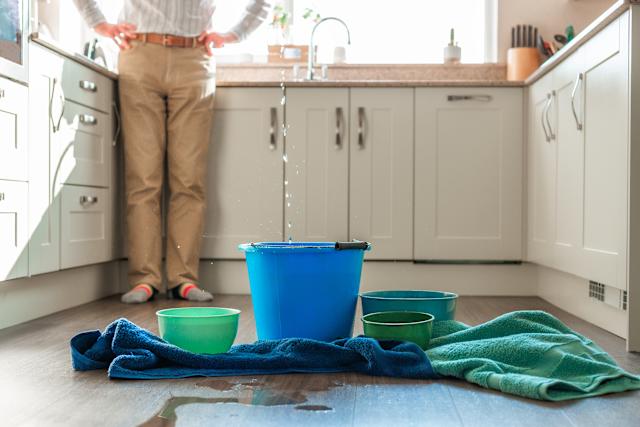
Water damage can strike any home, often with little warning. Whether caused by a burst pipe, severe weather, or a leaking appliance, the aftermath can be overwhelming. Acting quickly and methodically is essential to minimize structural damage, prevent mold growth, and restore your living space safely. This comprehensive guide provides a step-by-step water damage restoration checklist to help homeowners navigate the recovery process with confidence.
Before diving into the details, it's important to understand that professional help may be necessary for severe cases. If you’re unsure about the extent of the damage or need expert advice, learning how to choose a water damage restoration company can save you time and stress.
Immediate Steps After Discovering Water Damage
When water intrusion is detected, swift action is crucial. The following steps help contain the situation and set the stage for effective restoration:
- Ensure Safety First: Turn off electricity in affected areas to prevent electrical hazards. If the water source is contaminated (such as sewage), avoid contact and wear protective gear.
- Stop the Source: Identify and halt the water source if possible. This could mean shutting off the main water valve or repairing a broken appliance.
- Document the Damage: Take clear photos and videos of all affected areas and items for insurance claims. Detailed documentation can expedite your claim process.
- Contact Your Insurance Provider: Notify your insurer as soon as possible. They may recommend specific steps or preferred contractors for restoration.
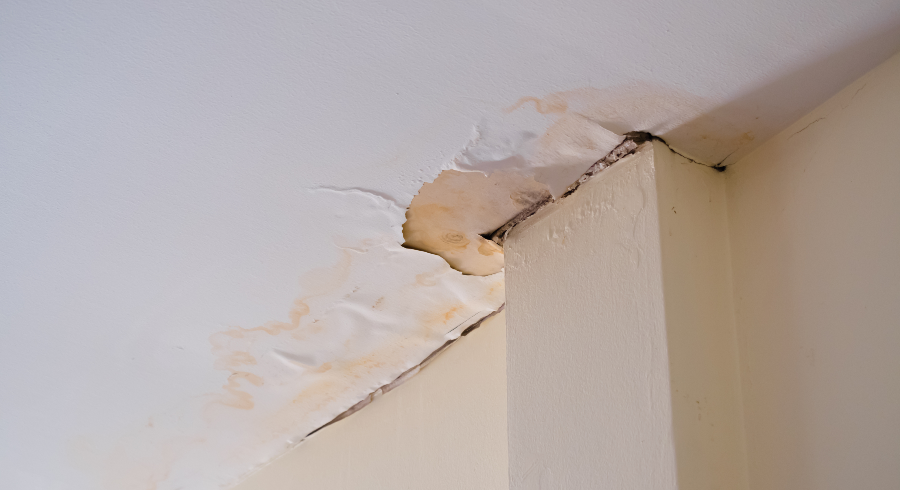
Assessing the Extent of Water Damage
Understanding the full scope of the problem is essential for effective recovery. Use this assessment phase to determine what can be salvaged and what requires professional intervention:
- Inspect Walls, Floors, and Ceilings: Look for discoloration, warping, bubbling paint, or soft spots. These are common indicators of hidden moisture.
- Check for Mold Growth: Mold can develop within 24-48 hours. Pay close attention to musty odors and visible patches, especially in corners and behind furniture.
- Evaluate Personal Belongings: Separate items that can be cleaned and dried from those that are irreparably damaged.
- Review Structural Integrity: If you notice sagging ceilings, buckling floors, or compromised walls, consult a structural engineer or restoration professional immediately.
For more details on identifying hidden issues, see this comprehensive overview of signs of water damage in walls.
Water Extraction and Drying Techniques
Removing standing water and thoroughly drying affected areas are the most critical steps in any water damage restoration checklist. Inadequate drying can lead to persistent moisture problems and mold growth.
- Remove Standing Water: Use wet/dry vacuums, mops, or pumps for large volumes. Dispose of contaminated water safely.
- Promote Air Circulation: Open windows and doors to increase airflow. Use fans and dehumidifiers to accelerate drying.
- Remove Wet Materials: Take out waterlogged carpets, rugs, and furniture. These items often retain moisture and can harbor mold.
- Monitor Moisture Levels: Use moisture meters to track progress and ensure all areas are thoroughly dried before moving to repairs.

Cleaning and Disinfecting After Water Intrusion
Once the area is dry, thorough cleaning and disinfection are vital to prevent health hazards and lingering odors:
- Sanitize Surfaces: Clean all hard surfaces with soap and water, followed by a disinfectant approved for household use.
- Address Mold and Mildew: Remove visible mold with appropriate cleaning agents. For widespread growth, consult certified professionals.
- Dispose of Unsalvageable Items: Safely discard materials that cannot be cleaned, such as saturated drywall, insulation, or certain textiles.
- Clean HVAC Systems: If your heating or cooling system was affected, have it inspected and cleaned to prevent the spread of contaminants.
Repair and Restoration: Returning Home to Normal
With the area clean and dry, you can begin repairs and restoration. This phase may involve simple fixes or more extensive renovations, depending on the severity of the damage:
- Replace Damaged Materials: Install new drywall, flooring, or insulation as needed. Ensure all materials are completely dry before installation.
- Paint and Finish: Repaint walls and ceilings with mold-resistant products for added protection.
- Restore Electrical and Plumbing Systems: Have licensed professionals inspect and repair any compromised wiring or pipes.
- Final Inspection: Conduct a thorough walkthrough to ensure all repairs are complete and the home is safe for occupancy.
For a deeper understanding of industry best practices, refer to water damage restoration industry standards and consider hiring certified water damage restoration professionals for complex projects.
Preventing Future Water Damage
Prevention is always better than cure. Incorporate these proactive steps into your home maintenance routine to reduce the risk of future incidents:
- Regular Inspections: Check plumbing, roofing, and appliances for leaks or wear at least twice a year.
- Install Water Detection Devices: Place sensors near vulnerable areas like basements, laundry rooms, and under sinks.
- Maintain Gutters and Downspouts: Keep them clear of debris to ensure proper drainage away from your home’s foundation.
- Know Your Insurance Coverage: Understand your policy’s terms regarding water-related incidents and update coverage as needed.
To clear up common misunderstandings, see common misconceptions about water damage and water damage myths and facts.
Frequently Asked Questions
How soon should I start the restoration process after water damage?
Begin as soon as it is safe to do so. Immediate action helps prevent mold growth and limits structural damage. The first 24-48 hours are critical for effective recovery.
Can I handle water damage cleanup myself, or do I need professionals?
Minor incidents can often be managed by homeowners, but extensive damage, contaminated water, or mold growth require professional expertise. Certified restoration specialists have the equipment and knowledge to ensure thorough remediation.
What are the signs that water damage has affected my walls or foundation?
Look for discoloration, peeling paint, warping, soft spots, and musty odors. Cracks or shifting in the foundation may indicate more severe issues. For more information, consult resources on signs of water damage in walls.
By following this detailed water damage restoration checklist, homeowners can respond effectively to water-related emergencies and protect their property from lasting harm. Stay vigilant, act quickly, and don’t hesitate to seek professional help when needed.