
How to Choose a Water Damage Restoration Company Fast
· Ethan Williams
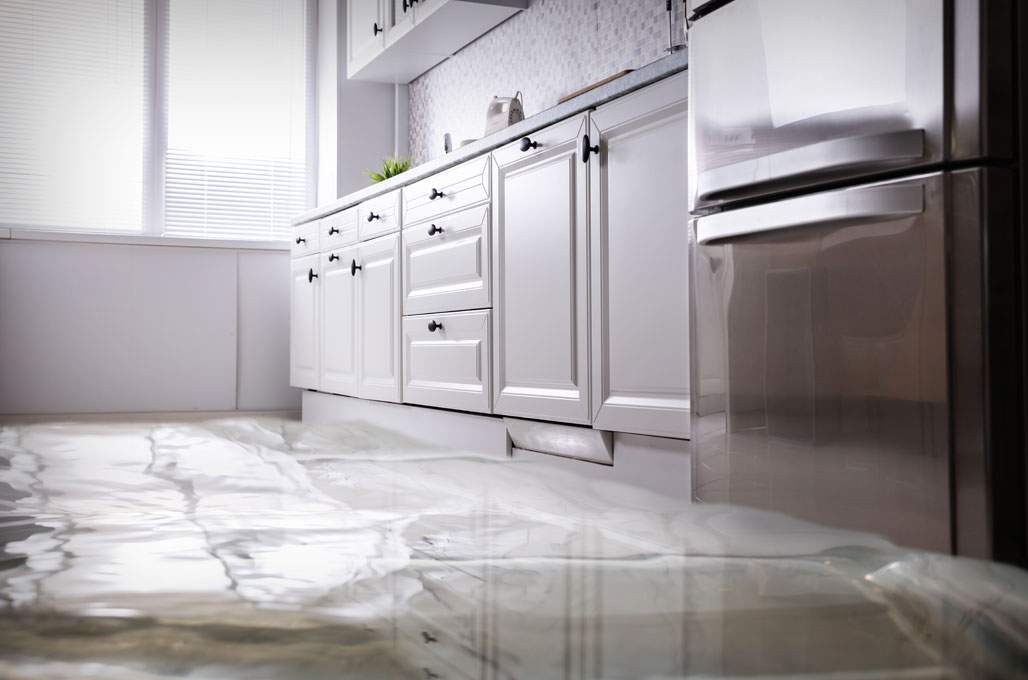
When water damage strikes your home or business, acting quickly is crucial. The right restoration service can make the difference between a smooth recovery and ongoing headaches. But with so many options available, finding a trustworthy team on short notice can feel overwhelming. Knowing what to look for—and what to avoid—can help you make an informed decision under pressure.
This guide breaks down the essential steps for selecting a reputable restoration provider, from verifying credentials to understanding industry best practices. Whether you’re dealing with a burst pipe, flooding, or another emergency, these tips will help you protect your property and peace of mind.
For a deeper understanding of the importance of working with certified water damage restoration professionals, explore how certification ensures quality and safety in restoration projects.
Key Factors When Selecting a Restoration Service
Speed matters, but so does quality. Here are the most important considerations for anyone searching for a reliable water damage company:
- Certification and Training: Look for technicians certified by recognized organizations, such as the Institute of Inspection Cleaning and Restoration Certification (IICRC). Certification shows a commitment to industry standards and ongoing education.
- Experience: A proven track record in water mitigation and restoration is essential. Ask how long the company has been in business and what types of water emergencies they handle most often.
- Availability: Emergencies don’t wait. Choose a provider that offers 24/7 response and can arrive quickly to minimize further damage.
- Insurance and Licensing: Verify that the company is fully licensed and insured. This protects you from liability and ensures the business meets local regulations.
- Transparent Estimates: Reputable companies provide clear, written estimates before work begins. This helps you avoid hidden fees or surprise charges.
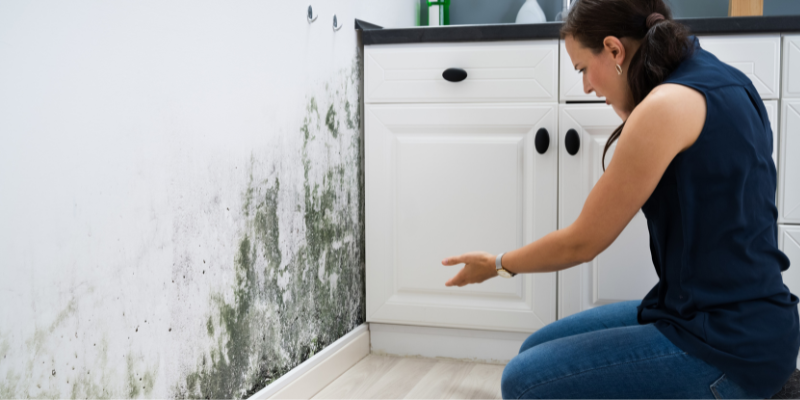
Evaluating Water Damage Restoration Industry Standards
Understanding water damage restoration industry standards can help you assess whether a company follows best practices. These standards cover everything from initial assessment and water extraction to drying techniques and mold prevention.
Ask potential providers about their process. Do they use moisture meters to detect hidden water? Are their drying methods up to date? Companies that follow established protocols are more likely to deliver thorough, lasting results.
Questions to Ask Before Hiring
Before making your decision, ask these key questions:
- Are your technicians certified and trained in the latest restoration methods?
- Can you provide references or reviews from recent clients?
- What is your estimated response time for emergencies?
- Do you work directly with insurance companies to streamline claims?
- What steps do you take to prevent mold growth after water removal?
Clear, confident answers indicate a company that values transparency and customer service.
Comparing Emergency Response and Advanced Techniques
Time is of the essence when dealing with water damage. The best restoration teams offer rapid response and use advanced equipment to extract water, dry affected areas, and restore your property. Modern companies invest in high-powered pumps, industrial dehumidifiers, and thermal imaging to ensure nothing is missed.
For more on the latest methods, see how advanced drying techniques for water damage can speed up recovery and reduce long-term risks.
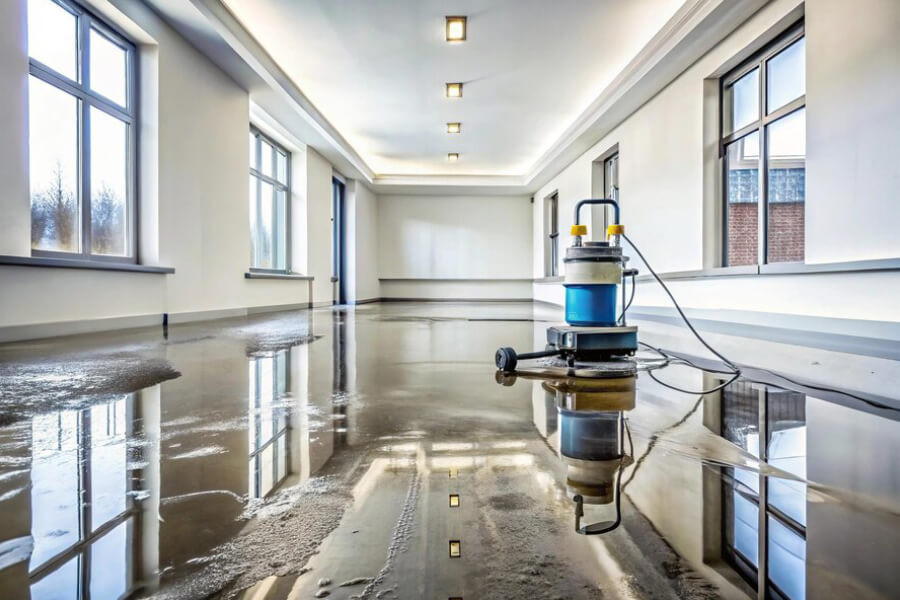
Understanding Common Causes and Preventing Future Damage
Knowing what leads to water emergencies can help you choose a company with the right expertise. Common causes include burst pipes, appliance leaks, roof failures, and natural disasters. For a detailed breakdown, check out this comprehensive guide to water damage causes.
Prevention is just as important as restoration. Ask your provider if they offer advice or services to help you avoid future incidents, such as moisture monitoring or waterproofing recommendations.
Insurance Claims and Documentation
Dealing with insurance can be stressful after a water emergency. The right restoration partner will help you document damage, provide detailed reports, and communicate directly with your insurer. This can speed up claims and ensure you receive fair compensation.
Make sure to keep all receipts, photos, and correspondence related to the incident. Many companies will assist in compiling the necessary paperwork and walk you through the claims process.
Technology and Trends in Restoration
The restoration industry is constantly evolving. Companies that invest in the latest water damage restoration technology can offer faster, more effective solutions. From remote moisture sensors to antimicrobial treatments, these innovations help protect your property and health.
Ask potential providers about their equipment and whether they stay current with industry advancements. A forward-thinking company is more likely to deliver high-quality results.
Emergency Preparedness and Planning
While no one expects a water emergency, having a plan can make a big difference. Some restoration companies offer resources or consultations on emergency preparedness for water damage. Knowing who to call and what steps to take can help you act quickly and minimize losses.
Keep contact information for your chosen provider handy, and review your insurance policy regularly to ensure adequate coverage.
Frequently Asked Questions
How quickly should I contact a restoration company after water damage?
It’s best to reach out as soon as you notice water damage. Fast action helps prevent mold growth, structural issues, and further property loss. Most reputable companies offer 24/7 emergency response and can begin mitigation within hours.
What certifications should a reputable water damage company have?
Look for technicians certified by the IICRC or similar organizations. Certification demonstrates knowledge of industry standards and best practices, ensuring your property is restored safely and effectively.
Will my insurance cover the cost of water damage restoration?
Coverage depends on your policy and the cause of the damage. Most homeowner policies cover sudden and accidental incidents, such as burst pipes, but may exclude gradual leaks or flooding. A good restoration company will help you document the damage and work with your insurer to process your claim.
How can I prevent water damage in the future?
Regular maintenance, such as inspecting plumbing, cleaning gutters, and monitoring appliances, can help prevent many water emergencies. Some restoration providers also offer consultations and preventative services to reduce your risk.
Conclusion
Choosing a restoration company during an emergency doesn’t have to be overwhelming. By focusing on certification, experience, rapid response, and transparent communication, you can find a provider you trust. Take time to ask questions, understand industry standards, and consider long-term prevention to protect your property now and in the future.