
Common Misconceptions About Water Damage Debunked
· Ethan Williams
Water intrusion is a frequent issue for property owners, but there’s a surprising amount of confusion surrounding its causes, effects, and solutions. Many people hold on to outdated beliefs or half-truths about moisture problems, which can lead to costly mistakes and even health risks. In this guide, we’ll address common misconceptions about water damage, clarify what’s fact and what’s fiction, and help you make informed decisions if you ever face this challenge.
Understanding the truth about water-related incidents is essential for protecting your home or business. Whether you’re dealing with a minor leak or a major flood, knowing how to respond—and what to avoid—can make all the difference. For a deeper dive into related topics, you may also want to read about water damage myths and facts, which explores additional misunderstandings and how to address them effectively.

Widespread Myths About Moisture Problems
There are several persistent myths that can lead property owners astray. Let’s break down some of the most prevalent misunderstandings and set the record straight.
Myth 1: Only Major Floods Cause Serious Damage
It’s easy to assume that only dramatic events like burst pipes or natural disasters can cause lasting harm. However, common misconceptions about water damage often overlook the fact that even small leaks or minor seepage can result in significant structural and health issues over time. Slow drips from plumbing, roof leaks, or poorly sealed windows can all lead to rot, mold, and weakened building materials if left unaddressed.
Myth 2: Drying Out Visible Water Is Enough
Many believe that once standing water is removed and surfaces appear dry, the problem is solved. In reality, moisture can linger behind walls, under floors, and in insulation, creating a hidden breeding ground for mold and bacteria. Professional restoration teams use specialized equipment to detect and eliminate moisture in hard-to-reach areas, ensuring a thorough recovery process.
Myth 3: Mold Growth Takes Weeks to Develop
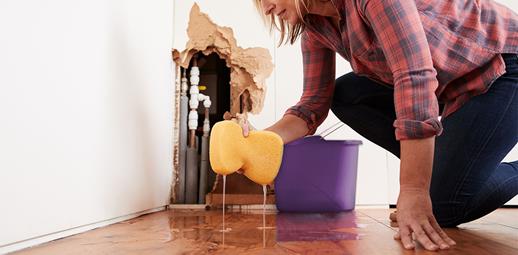
Another widespread belief is that mold only appears after prolonged exposure to moisture. In fact, mold can begin to grow in as little as 24 to 48 hours under the right conditions. This rapid timeline highlights the importance of acting quickly when a leak or spill occurs. Delaying cleanup or remediation increases the risk of extensive contamination and costly repairs.
Misunderstood Causes and Effects of Water Intrusion
Knowing what truly causes water-related issues—and how they impact your property—can help you avoid falling for misleading advice. Let’s explore some of the most misunderstood aspects.
Myth 4: Insurance Covers All Types of Water Loss
Many homeowners assume their insurance policy will automatically cover any water-related incident. However, coverage often depends on the source and nature of the problem. For example, gradual leaks or lack of maintenance may not be included, while sudden and accidental events are more likely to be covered. It’s crucial to review your policy details and speak with your provider to understand your specific coverage.
Myth 5: DIY Cleanup Is Always Sufficient
Some property owners believe they can handle all cleanup tasks themselves. While minor spills can often be managed with household tools, larger incidents require professional expertise. Restoration specialists use advanced techniques and equipment to ensure complete drying, sanitization, and restoration. Attempting to fix major issues without proper training can lead to incomplete repairs and ongoing risks.
Myth 6: Water Damage Is Only a Structural Issue
It’s a common error to think that water only affects walls, floors, or ceilings. In reality, moisture can have far-reaching effects on indoor air quality, electrical systems, and even personal belongings. Mold spores, bacteria, and contaminants can spread quickly, posing health hazards to occupants. Addressing water problems promptly helps protect both your property and your well-being.
Unpacking Additional Water Damage Misconceptions
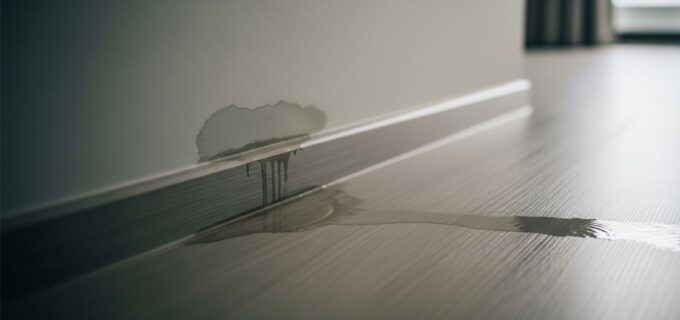
Beyond the myths already discussed, there are other misunderstandings that can affect how people respond to water-related emergencies. Let’s clarify a few more points:
- Myth 7: “If it smells fine, there’s no problem.” Odors are not always a reliable indicator of hidden moisture or mold. Some contaminants are odorless, and by the time a musty smell appears, significant damage may have already occurred.
- Myth 8: “All water is the same.” Water from clean sources (like a broken supply line) is very different from contaminated water (such as sewage backups or floodwater). Each type requires a specific cleanup approach to ensure safety.
- Myth 9: “Once dried, materials are safe.” Some building materials, like drywall and insulation, can retain contaminants or lose structural integrity even after drying. Replacement may be necessary to restore safety and function.
Why Quick and Informed Action Matters
Responding promptly and knowledgeably to water incidents can prevent minor issues from escalating into major disasters. Here’s why:
- Health risks: Mold, bacteria, and allergens can develop quickly in damp environments, affecting respiratory health and overall well-being.
- Structural integrity: Prolonged moisture weakens wood, drywall, and other materials, leading to costly repairs or even unsafe living conditions.
- Financial impact: Delays in addressing water problems can increase restoration costs and may limit insurance coverage.
For a better understanding of industry standards and best practices, you might explore resources like water damage restoration industry standards for guidance on professional protocols.
Prevention Tips and Best Practices
While not all water-related emergencies can be avoided, proactive measures can significantly reduce your risk. Consider the following tips:
- Inspect plumbing and appliances regularly for leaks or signs of wear.
- Maintain gutters and downspouts to direct water away from your foundation.
- Seal windows, doors, and roof penetrations to prevent seepage during storms.
- Install water detection alarms in vulnerable areas like basements or laundry rooms.
- Address minor leaks immediately to prevent escalation.
For more insights into causes and prevention, check out this comprehensive guide to common causes of water damage.
Frequently Asked Questions
How quickly should I respond to a water leak?
Immediate action is best. Mold can begin to grow within 24 to 48 hours, and the longer moisture remains, the greater the risk of structural and health issues. Contact a professional if you’re unsure about the extent of the problem.
Can I use regular household fans to dry out water-damaged areas?
While household fans can help with surface drying, they often aren’t powerful enough to remove moisture trapped in walls, floors, or insulation. Professional-grade drying equipment is recommended for thorough results.
Is it safe to stay in a home with water damage?
It depends on the severity and source of the water. Clean water from a supply line may pose less risk, but contaminated water or extensive mold growth can make a property unsafe. Consult with restoration experts to assess the situation.
Conclusion
By understanding and challenging common misconceptions about water damage, property owners can better protect their investments and health. Don’t let myths or outdated advice guide your response—seek accurate information, act quickly, and consult professionals when needed. Staying informed is your best defense against the unexpected challenges of water intrusion.